
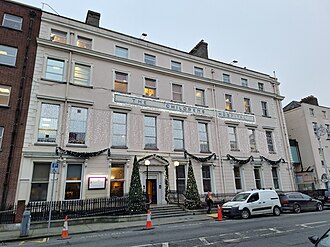
Dublin’s Georgian mews and carriage lanes are narrow, cobbled arteries between elegant terraces—spaces once alive with horses, servants and the city’s working underside. At twilight these tucked‑away passages take on a particular atmosphere: the light softens, shutters close, and echoes of past labour and hardship feed stories of hauntings. This guide helps visitors find and understand these lanes, separates documented history from folklore, and offers practical walking routes, safety advice, photography tips and respectful etiquette so you can experience these corners of Dublin with curiosity and care.
Ready to explore with a knowledgeable guide? Book a guided twilight walk with Ghost Tour Dublin Experience to explore hidden Georgian mews and carriage‑lane hauntings.
Why Georgian mews and carriage lanes feel haunted: stables, servants and the urban underbelly
The atmosphere of a mews comes from function and scale. Built behind the grand facades of Georgian Dublin, these lanes housed stables, carriage houses and servants’ quarters. By day they were noisy with animal breath, dripping tack and hurried footsteps. By night, the same narrowness traps sound and shadow. Add the social realities—servants who lived out of sight, street trades, poverty and occasional violence—and you have the ingredients for stories that linger.
Psychologically, human eyes and minds fill the gaps in dim light; an emptied stable, a locked door or a single candlelit window encourages speculation. That sense of layered lives—public wealth above, service work below—gives mews a particular haunting quality without needing any supernatural explanation.
Historical context: how Georgian urban design created hidden service lanes
Georgian urban design prized symmetrical, elegant streets and garden squares. To keep the front facades formal and uncluttered, service functions were pushed to the rear. Carriage lanes, mews and back‑alleys provided access for horses, coal deliveries, servants and tradespeople. These lanes were practical solutions rather than aesthetic features of the main street, and they reveal a lot about social organisation: the labour that sustained domestic life was deliberately separated from the public face of wealth.
Documented records—parish registers, rate books and estate maps—show the existence of mews and back buildings as working spaces. Where archives provide concrete evidence (such as tenancy lists or complaints about nuisances), that information forms documented history. Folklore and ghost stories, by contrast, are oral traditions shaped over decades; they may grow from a single incident, or from the general atmosphere of a place. We’ll make clear which is which as we proceed.
Where to find them: reading maps, clues on the streetscape, and using local guides
Finding mews is often a matter of looking for clues rather than obvious signage. Look for:
– Narrow lanes running behind terraces
– Arched carriage entrances and coach‑house facades
– Smaller, lower doorways set into rear elevations
– Cobbling, ragstone drains and surviving stable fittings
Historic maps, estate plans and walk guides help pinpoint clusters of mews. A local guide can accelerate the search and ensure you don’t trespass: many carriage lanes are private or currently used by residents. If you want a deeper historical lens on related sites, consider paired reads and walks such as our pieces on Fitzwilliam Square After‑Dark Whispers and the Medieval Dublin Walls Twilight Trail, which highlight how urban edges generate stories at dusk.
Notable yarns and verified incidents: telling folklore apart from archival records
Most haunting tales associated with mews exist in the realm of folklore: servants glimpsed in upstairs windows long after dusk, the sound of hooves when no horse remains, or a pale figure at the end of a lane. These stories are valuable cultural material—rich in atmosphere and local character—but they rarely correspond to a single, verifiable archival incident.
Verified incidents are typically administrative: complaints about nuisances, records of fires in coach houses, or legal cases involving tenants. Where archives offer a clear record—e.g., a documented fire in a particular mews or an inquest held at a named address—we classify that as documented history. When a tale cannot be traced to a record, or when it has multiple, differing versions, treat it as folklore or legend. Our duty as visitors is to enjoy the stories while being clear about their provenance.
For wider context on how policing and watch‑house lore shaped night‑time narratives in the city, see our guide to Dublin Watch‑Houses & Early Police Lore.
Sample walk templates: short and extended routes and timing tips
Short walk (30–45 minutes)
Ideal for an atmospheric taste of the mews, start from a central Georgian square and follow a single carriage‑lane circuit. Allow time to look at rear elevations, small doorways and surviving hardware. Aim to begin 15–20 minutes before sunset to catch changing light and to be off narrow lanes before very late night. Keep to public sections and use a local map or guide to ensure you are not crossing private courtyards.
Extended walk (90–120 minutes)
An extended route links several clusters of mews and may include a stop at a historic square, a former coach‑house now converted, and a brief archival reading or story‑telling pause. Start in late afternoon so the walk naturally moves through dusk to early night; this timing preserves atmosphere while allowing safer movement through busier streets. Plan for breaks, and confirm access with a guide if you hope to see less‑obvious lanes.
For tailored longer walks that explore Dublin’s seaside and suburban haunted edges after your mews walk, consider our related guides to Dún Laoghaire Pier & Esplanade and Dalkey Village Hauntings and Dalkey Island Lore.
Photography, access and etiquette: best practices for low‑light shots and respect for residents
Photographing mews in low light can produce memorable images, but follow these rules:
– Respect private property: if a lane is gated or has “private” signage, do not enter without permission.
– Keep noise and lighting discreet: avoid bright flashes pointed at windows or into private yards.
– Use a compact tripod where allowed; some lanes or residents may object to long setups—ask first.
– Do not disturb residents or block accessways. Remember these are living streets, not museum displays.
For technical tips: use a high ISO with a fast lens where flash is inappropriate, and bracketing or long exposures where you can stabilize your camera. Always prioritise safety and privacy over the perfect shot.
Safety, legal notes and seasonal considerations for night walks
Narrow lanes can be uneven, cobbled and dimly lit. Wear sensible shoes, carry a small torch or use a low‑brightness phone light, and be mindful of vehicle access. Most mews are public thoroughfares, but many include private courtyards—avoid crossing into gated areas. If you plan to walk after dark, go in a small group or join a guided tour; visibility and safety are better in numbers.
Seasonally, winter evenings offer longer hours of darkness but colder, wetter conditions and fewer people around; summer twilights are later but busier. Rain can make cobbles slippery; pace yourself and plan routes with alternative exits. If in doubt about access or safety, consult a guide or local signage before entering a lane.
How to experience them with a guide: what a Ghost Tour Dublin Experience adds and how to book
A guided twilight walk with Ghost Tour Dublin Experience blends historical context, archival insight and respectful storytelling. Guides know which lanes are publicly accessible, which are private, and how to present folklore alongside verified facts. A guide can also point you to surviving material evidence—stable doors, drainage features, and coach‑house façades—that you might miss on your own.
Join one of our scheduled walks or book a private group to tailor the route to your interests. Book a guided twilight walk with Ghost Tour Dublin Experience to explore hidden Georgian mews and carriage‑lane hauntings.
If you’re organising a private walk for a group—historical societies, corporate groups or special occasion tours—we can arrange bespoke routes and timing. Contact us to discuss private bookings and bespoke itineraries at the same link: Book a guided twilight walk with Ghost Tour Dublin Experience.
Keeping folklore honest: how we label stories on walks
On our tours we mark tales clearly: when a story is drawn from parish registers, inquests or estate records we say so; when a story comes from oral tradition, a repeated newspaper anecdote, or a teller’s memory, we present it as folklore. That transparency helps visitors appreciate both the documented past and the imaginative life of places—both are valuable in understanding Dublin’s mews.
FAQ
Are the Georgian mews and carriage lanes public to walk through or are they private?
Many mews are public alleys or lanes, but a significant number include private courtyards or gated sections. Always look for signage and respect gates. When in doubt, remain on the visible public path or take a guided tour that has arranged lawful access.
What time of day or night is best to visit if I want atmosphere but also safety?
Dusk—beginning about 15–30 minutes before sunset through the early twilight—is ideal: you get rich light and atmosphere while there is still enough visibility and pedestrian activity for safety. For later evening walks, choose a guided tour or go in a small group.
How can I tell if a haunting story is documented history or just local folklore?
Ask whether the story is tied to a specific archival record—an inquest, a court case, a newspaper report or a map annotation. If a story lacks those anchors and exists in multiple versions, it is probably folklore. Guides and local history resources will usually indicate the provenance of a tale.
Can I take photographs in the mews and are there restrictions on tripods or flash?
Photography is generally allowed in public lanes, but respect privacy: don’t photograph people’s private windows or yards without permission. Tripods and lighting can cause concern; ask permission if you plan an extended setup, and avoid flash when it will disturb residents. If a lane is marked private, do not enter to photograph without consent.