
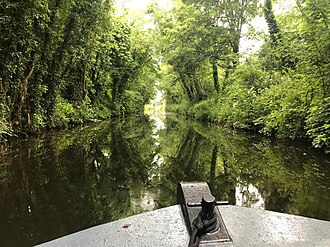
Grand Canal Twilight Trail: Odd Sightings & Dark History
The Grand Canal is a different place at twilight: the water takes on a pewter glow, streetlamps throw long reflections, and the city’s noise softens into an uneasy hush. For visitors drawn to darker histories and strange sightings, these hours concentrate both atmosphere and story. This guide pairs the canal’s documented past—industrial use, accidents and police records—with the folklore and eyewitness anecdotes that grew up alongside it, and it offers practical advice for a safe, respectful twilight walk.
Book a Haunted Ghost Tour Dublin Grand Canal twilight walk — our guided route bundles archival context, verified incidents, and local stories into a single safe and atmospheric evening stroll led by experienced guides.
Why the Grand Canal feels different at twilight — atmosphere and appeal
Twilight compresses time. Commuters thin out, cafés dim, and the canal becomes a reflective spine through neighborhoods where history and modern life meet. The low light exaggerates details: the silhouette of a bridge, a corner of an old warehouse, the soft ripple of barges long gone. For many visitors this is the moment when memory and suggestion combine—so it is also when odd sightings are most commonly reported.
A brief historical map
The Grand Canal was built as a commercial artery, connecting the city to agricultural hinterlands and ports. Along its banks, factories, mills and warehouses clustered through the 19th and early 20th centuries. Over time, industrial decline, changing transport, and urban redevelopment altered both the canal’s function and its public profile.
These physical changes matter. Locks, footbridges and embankments that once served barges or horses are now part of residential promenades. Where industry closed down, dereliction left gaps that attracted rumor; where new developments arrived, they sometimes revealed old foundations, forgotten slips and the archival traces of incidents that had occurred there.
Documented incidents and archival traces
(Documented history)
Official records and newspaper archives show a pattern typical of urban waterways: drownings, workplace accidents tied to mills and factories on the banks, and occasional criminal incidents—assaults, thefts, and searches related to police investigations. Coroner’s inquests and municipal records reference accidents near wharves and locks, and local newspapers historically reported recovery of bodies and inquiries into industrial safety.
Urban development left its own traces. Infill and reconstruction in the 20th century changed sightlines and sometimes obscured earlier boundary lines, so archival maps and planning documents are useful for anyone trying to match a modern spot with a historical event. Local archives and library collections contain many of these maps and inquest reports; guides on the Haunted Ghost Tour Dublin walk bring a curated selection so visitors see the documented evidence without wading through raw records alone.
Folklore, eyewitness reports and odd sightings
(Legend and anecdote)
Alongside the documented record is a rich layer of folklore. Common themes include: apparitions of lone figures near bridges; lights on the water at odd angles; the sense of being followed by an unseen presence; and tales of sounds—footsteps, coughing, or distant voices—when no one else is in sight. These accounts grow in the telling, often blending real events (a historical accident or a well-known missing-person case) with atmospheric details added later.
Eyewitness reports vary in reliability. Some come from repeat walkers who describe the same startling vision on multiple evenings; others are one-off stories passed along in pubs and on social media. Folklore often adapts to the neighborhood: stories of tavern ghosts mingle with canal tales, producing a local cast of characters tied more to mood and identity than to verifiable fact. For a fuller sense of how these stories circulate, see our guides to South Dublin taverns with late-night haunt legends and statues and sculptures with eerie tales across Dublin.
Key stops on the twilight trail
Below is a suggested route that balances visibility, historical interest and public accessibility. Stay on public paths, respect private property and follow local signage.
1. Grand Canal Dock
What to look for: old dockside warehouses, moored modern boats, and a clear view across to the spine of glass-and-brick redevelopment. Historical context: a working dockside environment that supported trade and later, creative industries. This is a good place to compare archival photos to the modern scene.
2. Sandymount Quays approach
What to look for: bridges whose profiles are visible from the towpath and the ripple of the canal under low bridges. Historical context: bridges and locks were sites of both accidents and maintenance work; municipal records note repairs and incidents here.
3. Portobello/Charlemont stretch
What to look for: residential terraces and older industrial facades. Historical context: the banks near Charlemont and Portobello once supported small-scale industry and service yards; many odd-sighting anecdotes cluster here, likely because the built environment still feels layered and enclosed at dusk.
4. Towpath corners and minor bridges
What to look for: spots where the towpath narrows and light drops. Historical context: such pinch points are natural loci for both documented occurrences (falls, recoveries) and for the transmission of folklore because they feel intimate and slightly dangerous at twilight.
Practical visitor advice
Best times: twilight varies by season. Aim for the hour after sunset (civil twilight) when there’s still enough ambient light to see features without relying exclusively on artificial lighting. Weeknights are typically quieter than weekends.
Safety: stay on public paths, keep to well-lit stretches if you are alone, and avoid walking right at the edge of the canal—banking can be slippery or unstable. If you plan to explore less-trafficked sections, tell someone your route and expected return time.
Lighting and photography: use a headlamp or a small handheld LED light to read maps and check footing. For night photography, bring a tripod and a remote shutter or timer to avoid camera shake. Be mindful of private windows and residents: long exposures can capture interiors unintentionally—close the distance or change your angle if you might record private spaces. For tips on selling night-tour photography prints and licensing, guides can consult this resource.
Etiquette: respect residents, do not cross into private property or locked yards, and keep noise low. If you encounter others who are distressed or appear to need help, contact local authorities rather than trying to intervene yourself.
Guided options: what a Haunted Ghost Tour Dublin twilight walk includes
Our Haunted Ghost Tour Dublin Grand Canal twilight walk pairs verified history with the folklore that grew from it. Guides bring curated archival materials—maps, newspaper excerpts and photos—so you can see the documented record alongside the stories told today. Walks are led in small groups for safety and conversation, and we offer private-group options for tailored itineraries.
Group walks focus on accessibility and storytelling; private tours can include additional archival materials, extended stops, or a focus on photography. For group bookings and bespoke private events, see our private groups page and policies in advance to understand our booking terms. If you’re organising a private event, learn more about our private options at this private groups booking page.
Book a Haunted Ghost Tour Dublin Grand Canal twilight walk to join a guided evening that balances archive, atmosphere and safety. For private groups, off-hours tours and customised routes, contact our private bookings team.
Further resources and continuing your exploration
If you want to dig deeper on your own after a walk, local archives and library collections are the best next step for documentary evidence. For practical guidance on running or joining evening tours, including booking and policy considerations, our operators’ resources include a section on payment and refunds that can be useful background reading: Refunds, No-Shows & Payment Policy Template for Dublin Ghost-Walk Operators.
To broaden your twilight explorations beyond the canal, consider thematic walks—statues and urban monuments carry their own set of eerie tales (see our guide)—or follow reports of late-night apparitions in other neighborhoods such as Dawson Street for comparative context (Late-night apparitions on Dawson Street).
FAQ
Are the ‘odd sightings’ along the Grand Canal historically verified or purely folklore?
They are a mixture. Many sightings are anecdotal and part of local folklore; others have roots in documented incidents such as accidents or incidents recorded in newspapers and coroner’s reports. Our walks clearly label which elements are verified and which are legend so visitors can judge for themselves.
Is the Grand Canal safe to visit at twilight on my own?
Much of the canal is safe when you follow common-sense precautions: stay on public paths, avoid isolated stretches if you’re alone, tell someone your plan, and carry a light. Joining a guided walk is the easiest way to explore safely, especially if you’re unfamiliar with the area after dark.
When is the best time of year to take a twilight walk for atmosphere and comfort?
The shoulder seasons—late spring and early autumn—offer mild evenings with good light for longer before complete darkness. Summer gives long twilight, while winter offers a starker atmosphere but colder conditions. Dress for the weather and bring layers.
Do you offer guided private or group tours that cover this route and how do I book?
Yes. We run regular group twilight walks and offer private bookings for custom routes or special occasions. To join a public walk or check times, book a Haunted Ghost Tour Dublin Grand Canal twilight walk. For private group enquiries, see our private groups page at this link.