
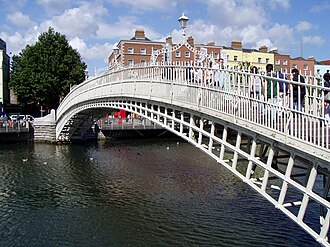
Ha’penny Bridge Late-Night Sightings and River Liffey Whispers — Ghost Stories
The Ha’penny Bridge and the River Liffey have long been part of Dubliners’ nightly rhythms: a meeting place, a shortcut, a postcard view. After dark those same spaces take on a different character — quieter, more reflective, and prone to stories of passing figures, strange sounds and a feeling that the city itself remembers events from other times. This article explores reported late-night sightings and the “river whispers” people describe, separates what is documented from what is anecdote or legend, and offers practical guidance for anyone who wants to experience these stories responsibly on a guided night walk.
Book a late-night Ha’penny Bridge & River Liffey walking tour to join a guided exploration that balances atmosphere with historical context, led by guides trained to present both verified facts and local folklore responsibly.
1. Setting the Scene: Ha’penny Bridge by Night
The Ha’penny Bridge sits at a narrow point of the River Liffey where foot traffic and river sounds meet stone and steel. By day it is bright and busy; by night it is isolated enough for sounds to carry and for small details — a lone figure, a sudden gust, a far-off shout — to take on added meaning.
Light levels change the way we perceive familiar things: lamplight creates longer shadows, reflections blur on the water, and the rhythm of passing boats or distant traffic can produce repeating patterns our brains try to interpret. For many visitors the bridge’s graceful curve and textured ironwork enhance the sense that they are stepping into a liminal place — a space between past and present where stories seem more plausible.
2. Documented History: The Ha’penny Bridge and River Liffey
Distinguishing verified history from folklore starts with a simple rule: rely on contemporary records, official documents, and established scholarship for facts. The Ha’penny Bridge is a long-standing pedestrian crossing with an industrial-era character; the River Liffey has been central to Dublin’s growth, trade and occasional flooding. Urban changes — quay rebuilds, lighting upgrades and river maintenance — have altered how the bridge and river interact with the city over time.
Official records and municipal archives document construction methods, ownership changes and documented incidents such as regulated boat traffic and maintenance works. These sources confirm the bridge’s longstanding role as a public crossing and the river’s importance in Dublin’s commercial life. When guides present history on our night walks, they focus on these well-documented elements rather than unverified anecdotes.
3. Late-Night Sightings and River Whispers
What people report (clearly anecdotal)
Accounts collected from locals and visitors form a pattern that is interesting even when unverified. Common reports include:
- Brief glimpses of figures on or near the bridge that vanish when approached.
- Hushed voices or a “murmur” that seems to come from the water or from the quay walls.
- Unexpected chills, a sense of being watched, or the impression of footsteps when the area is otherwise empty.
- Reflections that look like faces or shapes in the river at night.
These stories circulate as oral reports, social media posts and the kind of personal testimony that fuels walking-tour conversation. They are compelling and atmospheric, but they remain anecdotal unless linked to verifiable evidence such as contemporaneous records, multiple independent witnesses with corroborating detail, or physical traces documented by authorities.
4. Folklore vs. Documentary Evidence
Folklore grows from a mixture of memory, imagination and the need to explain unsettling experiences. Legends may incorporate real events — a tragic accident, a long-ago night watchman, a local tragedy — and then embellish them across retellings.
To separate legend from documentary evidence ask three questions: Is there a contemporaneous record? Do independent sources corroborate the account? Is there physical or forensic evidence? If the answer to any of these is “no,” the story remains folklore or legend.
Responsible storytellers mark that distinction. They may present a haunting anecdote for atmosphere, but they should also state clearly when a tale lacks documentary support. This approach respects both history and the people who live and work near the bridge today.
5. How Guides Present These Stories
On Haunted Ghost Tour Dublin walks guides use ethical framing and sensitivity to balance thrill with accuracy. That means:
- Presenting documented history first, then introducing folklore as community memory or personal testimony.
- Avoiding sensational details when they cannot be traced to reliable sources.
- Respecting local residents and the families associated with historical events; steering clear of speculation that could cause distress.
- Encouraging critical thinking — inviting guests to observe, ask questions and consider natural explanations as well as the eerie ones.
These techniques help create atmosphere without misleading guests or exploiting grief. Our guides are trained to reference other themed routes and stories — for a broader view of Dublin’s haunted heritage see pieces such as Grangegorman Infirmary Ward Stories or the Old Meath Hospital material for context on how institutions contribute to urban legend.
6. Practical Tips for Tourists
Best times: choose a time after dusk but not in the very late hours if you are unfamiliar with the area. Early night walks offer atmosphere while remaining convenient for public transport.
Routes: stick to well-lit quays and main paths on the bridge. Guided walks will take you to vantage points that feel atmospheric but are safe and legal to access.
Safety and transport: Dublin city center is generally safe, but always follow basic precautions — keep belongings secure, travel with your group, and check public transport schedules. If you rely on taxis or rideshares, pre-book them or use official ranks.
Respectful behaviour: be mindful of residents, businesses and riverside wildlife. Avoid loud behaviour late at night, and do not trespass onto private property or riverbanks not intended for public access.
7. Photography, Recordings and Legal Considerations
Photography in low light is tempting but technically challenging. Use a tripod or steady surface, wide aperture lenses and longer exposures to capture moody scenes. On a busy bridge, be cautious of obstructing pedestrian flow.
Audio recordings can capture ambient noise, but bear in mind privacy and consent. Recording private conversations without consent may be illegal in some contexts. Many “evidence” recordings of alleged phenomena are ambiguous: low-light blur, wind, boat engines and distant voices can all create patterns our brains interpret as familiar shapes or speech.
These natural explanations help explain why many claims remain unverified. Responsible investigators and guides focus on clear documentation, multiple witness statements, and corroborating evidence before declaring an experience anything more than atmospheric.
8. Join a Guided Night Walk
What to expect on a Haunted Ghost Tour Dublin late-night tour: a trained guide, a route that includes the Ha’penny Bridge and key Liffey viewpoints, a mix of documented history and clearly labelled folklore, and time for reflection and questions. Tours are paced for safety and maximum atmosphere, with opportunities to hear local eyewitness accounts presented responsibly.
Book a late-night Ha’penny Bridge & River Liffey walking tour to experience the bridge after dark with guides who prioritise accuracy and respect.
If you’re organising a private event or group booking, we can tailor a night walk to your needs. For enquiries about dedicated group tours please visit our private groups page: Private and group night tours.
For deeper context on storytelling craft used on walks, see our short guide on writing atmospheric introductions: How to Write Concise, Atmospheric Intros for Dublin Ghost Posts, and explore related themed routes such as the Georgian North-City Literary Ghost Trail or the Camden Street lodging-house phantoms for a wider sense of Dublin’s nocturnal narratives.
FAQ
Are the Ha’penny Bridge sightings real or just local folklore?
Most accounts are anecdotal and part of local folklore. While people report genuine personal experiences, these reports generally lack the kind of independent, contemporaneous documentation that would elevate them to verified events. Guides present them as community memory and personal testimony rather than proven fact.
Is it safe to visit the Ha’penny Bridge and River Liffey late at night?
Yes, in general the area is safe if you follow normal precautions: travel with a group, keep valuables secure, and use well-lit paths. Joining a guided walk adds an extra layer of safety and local knowledge about the best routes and times.
Can I take photos or audio recordings of alleged paranormal activity?
You can take photos and recordings for personal use, but be mindful of privacy and local laws. Avoid recording private conversations without consent and do not obstruct public paths. Low-light conditions often produce ambiguous results; many purported “evidence” clips can be explained by natural noises and visual artifacts.
Do you offer private or group night tours focused on Ha’penny Bridge and the Liffey?
Yes. We can tailor private or group night tours to focus on the Ha’penny Bridge, the River Liffey and surrounding stories. For group enquiries and bespoke bookings, please visit our private groups page: Private and group night tours.