
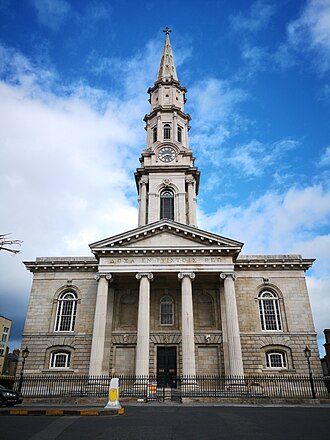
Haunted Suburban Churches — Parish Legends Beyond Dublin’s Centre
Many visitors come to Dublin for the city’s famous streets, stones and grand graveyards, but the real patchwork of haunted suburban churches holds a different kind of history. These parish buildings, tucked into residential neighbourhoods, are places where folklore, grief and routine devotion meet: a bell that tolls on its own, a portrait whispered about by neighbours, a headstone with an odd epitaph. Haunted suburban churches: parish legends beyond Dublin’s centre offer compact, human-scale stories that are ideal for small-group tours, research projects and respectful interpretation.
Why suburban parish churches matter to Dublin’s haunted histories
Suburban parish churches are living places: services continue, volunteers mow the grounds, and funerals still take place. That living presence means legends form differently than around ruined abbeys or city-centre landmarks. Stories here are knitted into family memory, parish newsletters and the slow changes of neighbourhood life. For visitors and operators, these churches reveal the quieter side of Dublin’s dark history—intimate hauntings rooted in loss, difficult events and decades of oral transmission.
Folklore vs. documented history: where parish legends come from and how to verify them
Start by separating three categories: documented history (archival records, contemporary reports), folklore (repeated oral accounts that change with each retelling) and legend (a narrative with symbolic resonance that may include mythical embellishment). Documented history can often be corroborated; folklore and legend are valuable for atmosphere but should be identified as such when presented.
For verification, look for primary sources before giving an anecdote historical weight. Parish registers, diocesan records and contemporary newspaper reports are where you find verifiable facts. Where such records are absent, treat stories as living folklore and explain their social context rather than asserting them as fact.
Research toolkit: parish registers, local newspapers, graveyard inscriptions and living memory
Parish registers and diocesan archives often provide baptisms, marriages and burial entries. These documents can confirm names and dates that anchor a legend. Local newspapers—particularly older, local presses or surviving parish newsletters—may report accidents, fires or notable funerals linked to a story.
Gravestones and memorial plaques are invaluable. They provide dates, family names and sometimes brief epitaphs that explain a community’s memory. Photograph inscriptions carefully for later cross-checking, and transcribe rather than rely on memory.
Finally, living memory—interviews with long-term parishioners, clergy and local historians—adds nuance. Record those interviews with permission, and always attribute oral accounts as such when used in a tour script.
Planning visits: choosing suburban parish churches, suggested neighbourhood routes and transport tips
When selecting churches for a route, aim for a mix: a visually striking exterior, an accessible graveyard, and a story that has documentary backing or clear oral provenance. Compact routes work best for evening walks—five to seven points of interest within a 30–45 minute walk keeps groups engaged.
Consider neighbourhood clusters such as Ranelagh or Leopardstown for cohesive themes; both have stories that pair well with night walks and local history narratives. See our Ranelagh Evening Ghost Trail for an example of an established route and its pacing.
Public transport and parking are practical concerns. Dublin’s Luas and bus routes serve many suburbs; plan start and end points near stations when possible. For smaller lanes and cul-de-sacs, brief shuttle use or staggered start times can keep groups compact and considerate of residents.
On-site etiquette and permissions: worship schedules, photographing interiors, contacting clergy and parish staff
Always check service times and school or community bookings before planning a visit. A respectful approach starts with email or phone contact to the parish office and a clear explanation of group size, purpose and likely impact. Many parishes will welcome informed, respectful groups and may even offer access to areas not normally open to the public.
Rules on photography vary. Exteriors and gravestones are usually acceptable to photograph; interiors often require permission, particularly during services. If you intend to photograph for commercial use—prints, publications or promotional material—obtain written permission. See our guidance on selling atmospheric night photos for tourists for considerations about tone, consent and rights.
Interpreting stories for visitors: presenting folklore responsibly and marking speculation vs fact
Good storytelling balances drama with clarity. Begin each anecdote by identifying its basis: “This is documented in parish registers,” “This comes from a 1950s newspaper report,” or “This is a local story told by a parishioner.” This explicit framing gives your audience the tools to understand the difference between evidence and evocative myth.
A practical script structure: opening context (who, where, when), the verifiable facts, the oral accounts and then your interpretive commentary. Where speculation fills gaps, label it: “One interpretation is…” or “Locals suggest…” This preserves credibility and shows respect for both history and lived belief.
Tour logistics and safety: lighting, group size, insurance basics and local regulations for night visits
Night visits require extra planning. Carry reliable lighting that is discreet rather than disruptive—small LED lanterns or headlamps with red filters maintain atmosphere without disturbing services or neighbours. Keep group sizes small: 12–20 guests allows for intimacy and minimal impact. Use pre-assigned guides per subgroup if you exceed comfortable numbers.
Insurance is essential. Review coverage for public liability, property damage and cancellation. For Irish nocturnal operators there are specialised policies; our guide to insurance options for Dublin nocturnal tour operators outlines common needs and providers to consider.
Finally, check local bylaws regarding amplified sound, trespass and access to church property after dark. When in doubt, secure written permission from the parish and record agreed boundaries in your risk assessment.
Commercial opportunities: themed suburban church walks, collaborations with parishes and booking through Ghost Tour Dublin Experience
The suburban parish circuit is ideal for themed offerings: wartime remembrances, Victorian mourning practices, or architectural-change walks that link chapel styles to social change. Collaborations with parishes can extend to talks, shared fundraising events or exclusive after-hours access for small groups.
Operators can also diversify income by offering atmospheric night photo prints, tie-in walks like our Leopardstown Suburban Apparitions guide, or cross-promotion with related themes such as schoolhouse legends. See our piece on Haunted Schoolhouses for complementary walks and stories.
To book an established route or discuss a private group visit, Book a Ghost Tour Dublin Experience to explore suburban parish legends — https://www.ghosttourdublin.com/ If you’re organising a private or bespoke walk for your group, our private bookings page can be arranged directly through the same site for tailored itineraries and parish liaison.
Practical tips for visitors and operators
Arrive early to check signage, assess lighting and meet parish staff if possible. Dress for the weather—Irish evenings can be damp and cool—and bring a notebook. For operators, draft an accessible script with clear signposting between fact and folklore, and include opportunities for quiet reflection at sensitive sites.
Respect is the throughline: these churches are active places of worship and memory. Your approach will be judged not only by the thrill of the story but by the courtesy you show to congregations and neighbours.
Book a Ghost Tour Dublin Experience to explore suburban parish legends — https://www.ghosttourdublin.com/ For private groups, exclusive itineraries can be arranged through our private booking options—please contact us via the same booking link for details.
FAQ
Are suburban parish churches in Dublin generally open to visitors and ghost tours?
Many churches are open to visitors during daylight hours and welcome small, respectful guided groups, but policies vary. Always check service times and contact the parish office in advance for permission, especially for evening visits.
How can I tell if a parish legend is documented history or local folklore?
Look for primary sources: parish registers, newspaper reports or official records. If a story appears only in oral accounts or changes between tellings, treat it as folklore. Present each story with a clear label—documented, oral history, or legend—when sharing with audiences.
Can I photograph church interiors and graveyards during a tour or at night?
Photographing exteriors and graveyards is usually acceptable, but interiors often require permission. Night photography may disturb neighbours and services; obtain written consent for commercial use and be mindful of lighting and noise.
Does Ghost Tour Dublin Experience arrange private or custom suburban church walks?
Yes. Ghost Tour Dublin Experience offers private and custom suburban walks tailored to group size and interests. Bookings and enquiries are handled through our main site: https://www.ghosttourdublin.com/