
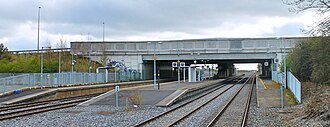
Heuston Station After-Hours: Haunted Histories & Night Visit Guide
Heuston Station after dark has a very particular atmosphere: vast stone facades, a long sweep of platforms, a hush punctured by distant announcements and the occasional rumble of a night service. For visitors drawn to the uncanny, the station is a crossroads of solid railway history and a steady stream of folklore. This guide separates what archival records actually show from the stories that grow up around stations, and it gives practical advice for anyone planning a responsible after-hours visit in Dublin.
Book a Heuston after-hours walk with Ghost Tour Dublin Experience — secure your place on a guided night visit that balances documented history with local eyewitness accounts, and avoids trespass or unsafe exploration.
Documented history of Heuston Station
Heuston Station was established as a major Dublin railway terminus and built to serve intercity routes leaving the city. Historically it was known by another name before being renamed; its role as a transport hub has meant continual evolution of platforms, offices and adjoining yards.
Official records and railway archives preserve the station’s operational history: construction and expansion phases, timetable changes, and the administrative functions of a working terminus. These records are the foundation for any factual account of the site and are distinct from the stories people tell about ghostly encounters.
Recorded accidents and canonical sources
Railway archives, local newspaper reports and official inquiries document a number of accidents associated with rail travel in Dublin over the decades. These include platform incidents, employee injuries and collisions that are noted in public records. Such material is the primary source when trying to explain alleged hauntings grounded in historical events.
When assessing claims about apparitions or footsteps, first look to these canonical sources. Where an eyewitness report references a specific accident, it is often possible to check whether an incident occurred, how it was recorded and whether fatalities or serious injury were part of the official account.
Local folklore and eyewitness accounts
Local stories often pick out a dramatic image — a porter who never left his post, a stranded passenger on platform three, or a phantom train passing through an empty concourse. Eyewitness accounts tend to share themes: footsteps in empty corridors, sudden drops in temperature, or the sense of being watched. These stories circulate by word of mouth, social media and in local ghost-tour circles.
It’s important to distinguish folklore from documented fact. Folklore is valuable as cultural history; it tells you how people experience and remember a place. But folklore blends memory, expectation and atmosphere. Where possible, compare personal accounts with archival records to verify whether a referenced accident or event actually occurred.
Many of the anecdotal hauntings at Heuston mirror stories told about other transport sites. If you are interested in how similar narratives appear elsewhere in Dublin, consider our pieces on Tramline Phantoms or the subterranean sensations described in Cellar Vaults & Cold Spots.
The station’s architecture, tunnels and soundscape
Architecture plays a major role in the after-dark feel of Heuston. Large stone walls, vaulted concourses and long platforms create echoes and long sightlines where shadows travel. Old service tunnels and covered walkways collect sound, making distant noises seem close and creating the impression of movement where there is none.
At night the soundscape narrows: fewer voices, fewer footsteps, and more emphasis on mechanical noises — the wind, a distant engine, or an automated announcement. These auditory cues are often misinterpreted in the mind as other presences, especially when a listener already expects something uncanny.
If you enjoy layering architectural context with story, our article on night-time riverside sites like Wood Quay at Night explores similar dynamics between built environment and legend.
Where to visit safely after hours
There are several public viewpoints and accessible areas that allow you to experience Heuston’s after-dark atmosphere without trespass. The forecourt and exterior plazas remain good places to observe the station’s facade and catch the night light on stonework.
Platforms and concourses are sometimes accessible depending on service patterns, but many working areas and tunnels are restricted. Do not enter staff-only zones, yards or tunnel mouths. These areas are hazardous and private — trespass can lead to fines, arrest or serious injury.
Best times for atmosphere without interfering with operations are shortly after the evening peak and well before the earliest morning services. Weeknights can be quieter than weekend evenings, but always check service timetables and any posted notices.
Responsible visiting and etiquette
Respect for staff and passengers is essential. Keep noise to a minimum, avoid obstructing walkways, and follow instructions from station personnel. Remember that Heuston is an active transport hub: trains, taxis and staff movements are part of the living site.
Permissions: do not photograph staff or passengers in close-up without consent. If you intend to photograph the station for commercial purposes, seek explicit permission. For casual photography, keep flash to a minimum on platforms to avoid distracting train drivers and staff.
Safety tips: wear sensible footwear for platforms and stone steps, carry a torch if you plan to move beyond well-lit areas, and travel in company after dark. If you join an organised group, keep to the route set by the guide and obey any safety briefings.
For broader guidance on etiquette when visiting reputedly haunted urban sites and on-campus stories, see our related reads like Student Halls & Campus Sightings and suburban walks such as Rathmines Manor Hauntings.
How to experience it with Ghost Tour Dublin Experience
A guided night visit with Ghost Tour Dublin Experience is designed to keep curiosity and safety in balance. Tours separate documented railway history from folklore: guides will summarise archival records, point out verifiable incidents, and then present local eyewitness accounts clearly identified as anecdote rather than fact.
Tours typically include the station’s public-facing areas, an exploration of the architecture and soundscape, and storytelling that situates legend within the documented past. Guides encourage questions and show how to cross-check claims against archives and newspapers when possible.
Booking tips: small groups are preferred for safety and to preserve atmosphere. Wear weather-appropriate clothing and comfortable shoes. If you have specific accessibility needs, mention them when booking so the guide can plan a suitable route.
Book a Heuston after-hours walk with Ghost Tour Dublin Experience — secure a guided, responsible exploration that separates archival fact from folklore and avoids unsafe trespass. For private groups or tailored visits, contact us to arrange a private walk suitable for larger parties.
Private groups and bespoke Heuston tours — if you are organising a private group, corporate event or scholarly visit, we can plan a dedicated after-hours schedule that respects safety, permissions and the wishes of your party.
FAQ
Is Heuston Station really haunted or are the stories just folklore?
Most stories are folklore or eyewitness accounts that reflect how people experience the station at night. Some claims reference documented accidents; where that is the case, archival sources can confirm the event. However, many reports are subjective sensations influenced by the station’s architecture and sounds rather than verifiable paranormal phenomena.
Can I visit Heuston Station at night on my own, or do I need to join a tour?
You can visit public areas of the station at night, but restricted yards, tunnels and staff-only zones are off-limits. Joining a guided tour is recommended: it provides safe access to atmospheric viewpoints, authoritative context about documented history, and avoids the legal and safety risks of unauthorised exploration.
Are there documented incidents that explain the hauntings people report?
Some eyewitness stories refer to incidents that appear in railway records or contemporary press reports. Those records are the best way to evaluate a claim. In many cases, the sensations people report can be explained by acoustics, lighting and the psychological effect of an empty transport hub at night rather than a single historical event.
What should I know about safety and photography when visiting after dark?
Respect station staff and passengers, avoid entering restricted areas, and follow posted safety signage. Use discretion with photography: avoid flash on platforms and do not photograph people without consent. For commercial or group photography, seek permission in advance from station authorities.