
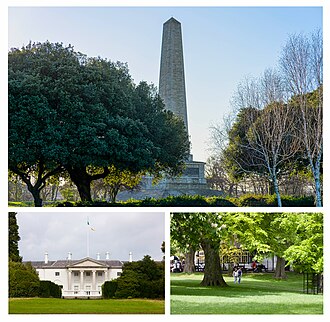
Phoenix Park: Eerie Legends and Dark Spots — A Visitor’s Guide
Phoenix Park is one of Europe’s largest enclosed urban parks: broad lawns, long avenues of trees, herds of fallow deer and monuments that punctuate the skyline. For most Dubliners it is a place for cycling, rugby and picnics; for visitors drawn to darker corners, Phoenix Park also preserves layers of political violence, military infrastructure and local tales that gather in its quiet, shaded places. This guide walks you through the park’s most evocative dark-history sites, carefully separating documented events from folklore, and giving practical advice for visiting—either with a guided Haunted Ghost Tour Dublin tour or on your own.
Join Haunted Ghost Tour Dublin for a guided Phoenix Park dark-history walk — book now
How to read this guide: separating documented history from legend, and safety basics
This article is written with two aims: to point out verified historical incidents and features in Phoenix Park, and to describe the folklore and ghost stories they have inspired. Where something is documented—an assassination, a military use, a monument—I’ll present it as such and avoid unnecessary speculation. Where a story is local legend or unverifiable haunting lore, it will be clearly labelled as folklore.
Short safety notes before you set out: the park is large and partly remote after dark. Stay on well-lit or commonly used routes if alone, carry a charged phone and a torch for twilight photography, and be aware that deer and rabbits share the space. Respect fences, private staff areas and any signage around sensitive sites. A guided tour offers interpretation and a safer group environment if you’re visiting after sunset.
Stop 1 — The Phoenix Park Murders (1882): the facts, where it happened, and why it still resonates
The documented facts
This is one of the clearest, most serious events in the park’s modern history. In 1882 two senior public officials—Lord Frederick Cavendish and Thomas Henry Burke—were attacked and killed while walking in the park. The assassinations were politically motivated and caused an international sensation at the time; they remain a defining moment in Dublin’s nineteenth-century history.
Where to look for it now
There is no theatrical ruin to visit for this event, but the site and its wider context are interpreted by guides and in park literature. When you stand in the tree-lined avenues or at quieter junctions of the park you are in the same landscape where this political violence took place. If you want precise locational interpretation, a guided walk will point out the commonly accepted area and any memorial plaques.
Why the story endures
The silence and scale of Phoenix Park—the long perspectives and shafts of shadow between trees—make the memory of sudden violence feel especially resonant. The factual record of the murders is distinct from the ghost stories that later gathered around the event; those tales are part of folklore rather than evidence.
Stop 2 — The Magazine Fort and military past: documented uses, atmosphere, and local ghost stories (legend vs. record)
Documented uses
The Magazine Fort is one of the park’s most visible reminders of its military past. Historically a secure storage site and defensive feature, its walls, gun emplacements and service buildings speak to the park’s role in national defence and administration. These military uses are recorded and form part of the park’s built heritage.
Folklore and local tales
Local storytellers and nighttime visitors sometimes report an implacable atmosphere around the fort, and there are a few recurring tales of imagined footsteps and lights. These stories are typical of military buildings worldwide: they reflect how human minds interpret empty barrack rooms, sentry posts and long, echoing corridors. They are best read as folklore—atmospheric, culturally revealing, but not evidence of the supernatural.
Stop 3 — Ashtown Castle and demesne: architecture, restoration, and tales that grew around the ruins
The site and its conservation
Ashtown Castle, a restored tower house within the park, offers an accessible piece of domestic medieval architecture amid the lawns. The structure and its surrounding demesne show how older settlements were incorporated into the later landscaped park. Restoration and conservation work has stabilised the building and made it legible for visitors.
Stories and embellishments
Ruins and restored towers naturally attract storytelling. Tales of lingering figures, glimpsed silhouettes and the creak of shutters at night are common. These reports tend to be episodic and personal; they add texture to a visit but belong to oral tradition rather than to any official record of paranormal activity.
If you enjoy castle lore, our Malahide Castle Hauntings — A Visitor’s Guide to History & Legends explores similar themes at another Irish site and may add context to what you notice in Phoenix Park.
Stop 4 — Memorials and monuments (Wellington Testimonial, papal cross vantage points): Victorian funerary aesthetics and the park’s somber corners
Monuments as memory
The Wellington Testimonial and the Papal Cross are focal points that combine public commemoration with the park’s vastness. Monuments reflect political and religious history and often shape the park’s quieter moods—long shadows fall from their plinths and the approach routes create contemplative spaces.
Victorian aesthetics and funerary taste
Many of the park’s statuary and memorials were commissioned during eras when public mourning and imperial commemoration followed Victorian sensibilities. Those design choices—tall obelisks, heroic equestrian figures, formal terraces—contribute to a sense of gravitas that visitors sometimes interpret as somber or eerie. Again, the mood is real; any reported hauntings around monuments should be understood as cultural resonance rather than proof of the supernatural.
After-dark practicalities: dark spots, deer and wildlife, photography tips, safety, and respect for the space
Phoenix Park’s size means some areas are dimly lit after sunset. Familiarise yourself with the park’s main roads and paths before twilight, and consider visiting known features earlier in the evening for safer photography. Bring a compact tripod for low-light shots, and use a red-filtered torch to preserve night vision and avoid startling deer.
Deer are a highlight but also unpredictable at close range. Never attempt to feed or touch wildlife. If you’re photographing monuments or tree avenues at night, set expectations: atmosphere is what you capture, not cinematic apparitions. Keep voices down near residential or official buildings and never cross barriers or locked gates.
Planning your visit: suggested walking route, best times, what to bring, and how to join a Haunted Ghost Tour Dublin tour
A sensible self-guided route starts at a main entrance, takes in the Wellington Testimonial and Papal Cross vantage, follows the avenues toward the Magazine Fort, continues to Ashtown Castle and concludes where park interpretation points to the Phoenix Park Murders area. That loop gives a compact sense of the park’s dark-history highlights without requiring a full-day commitment.
Best times: late afternoon into early evening for long shadows and cooler crowds; avoid the deepest night if you are alone. What to bring: comfortable walking shoes, a charged phone, water, a torch for twilight, weatherproof layers, and a small notebook if you like to record impressions.
If you prefer expert interpretation and the safety of a group, join one of our guided walks. Join Haunted Ghost Tour Dublin for a guided Phoenix Park dark-history walk — book now and a knowledgeable guide will point out documented facts, explain local folklore, and show you the best vantage points for atmosphere and photography.
For private groups, corporate bookings or school visits, we also run tailored tours. Contact our private tours page to discuss routes, timing and what your group would like to focus on: private group bookings and enquiries.
If you’re planning to extend your exploration of Dublin’s darker cultural sites, we frequently publish related guides: from Fringe Theatre Hauntings: Dublin’s Small Playhouses After Dark to Lost Dublin Cinemas — Projectionist Ghosts and Projection Room Tales and the Heuston Station Midnight Porter story. We also have suggestions for branded souvenirs in Merchandise Ideas for a Dublin Ghost Tour Brand: Souvenirs Inspired by Haunted Dublin if you’re looking to take a memento home.
Final notes: respectful curiosity
Phoenix Park rewards quiet attention. The park’s somber corners are best approached with respect for residents, wildlife and the historic record. Ghost stories and folklore add charm and emotional texture, but they sit alongside documented events and tangible architecture. Whether you choose a self-guided route or book a Haunted Ghost Tour Dublin tour, the park’s layering of beauty and darker memory makes it one of Dublin’s most atmospheric places to explore.
Join Haunted Ghost Tour Dublin for a guided Phoenix Park dark-history walk — book now
FAQ
Is Phoenix Park actually haunted or are the stories mostly folklore?
Most reports are best understood as folklore and personal experience: atmospheric spots, old buildings and memorials inspire stories. There are documented historical events—such as the 1882 murders—that provide a factual backbone to the park’s darker reputation, but claims of supernatural presence remain anecdotal and unverified.
Are guided night or twilight tours of Phoenix Park available with Haunted Ghost Tour Dublin?
Yes. Haunted Ghost Tour Dublin runs twilight and thematic tours that focus on Phoenix Park’s dark history, combining documented facts with interpretation of local legends. Check the booking page to see current schedules and seasonal twilight offerings.
Is it safe to explore Phoenix Park after dark and what precautions should visitors take?
Parts of the park are dimly lit after sunset. Take basic precautions: stay on main paths, travel in a group if possible, carry a torch and a charged phone, and be mindful of wildlife. Guided tours provide extra safety and onsite interpretation for after-dark visits.
Can I follow a self-guided route from this article, or should I book a guided tour for the darker history sites?
This article includes a suggested self-guided route that will let you visit the main dark-history sites during daylight or early evening. If you want precise historical context, safe after-dark exploration, or deeper storytelling, a guided Haunted Ghost Tour Dublin walk adds expertise and reassurance—book via our tours page.