
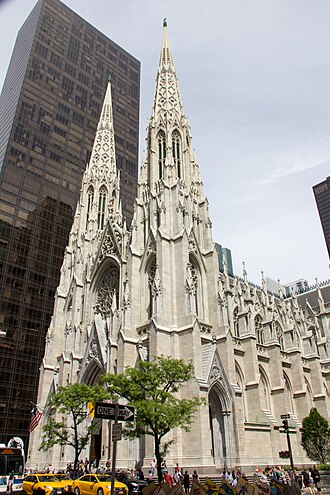
St Patrick’s Cathedral in Dublin is an architectural landmark and a living parish—one that has inspired reverence, curiosity and the kind of local storytelling that grows into the city’s darker folklore. For visitors drawn to both history and the uncanny, the cathedral presents a clear divide: substantial, well-documented fabric and record; and a parallel stream of ghost stories, whispered sightings and atmospheric tales. This guide helps you navigate both, with practical tips for visiting and a look at how Haunted Ghost Tour Dublin presents these layers on our tours.
Book a Haunted Ghost Tour Dublin tour to explore St Patrick’s Cathedral
St Patrick’s Cathedral: Spectral Tales and History — A Visitor Guide
Why St Patrick’s Cathedral attracts spectral tales
Big, old churches often collect stories. St Patrick’s occupies a prominent place in Dublin’s spiritual and civic life, and it has been a setting for baptisms, funerals and public ceremonies for centuries. Those repeated uses, together with the cathedral’s age, burial monuments and dimly lit corners, create a natural backdrop for the imagination: memorials encourage reflection on mortality, medieval stonework creates unexpected acoustics, and changes in lighting can suggest movement where there is none. Visitors who arrive already primed for a ghost story are likely to interpret ordinary creaks and echoes as evidence of something otherworldly.
Documented history at a glance
What you can reliably expect to see and learn at St Patrick’s Cathedral is substantial, and much of it is part of the official record. The cathedral stands on a site associated with early Christian worship in Dublin and has existed in some form since the medieval period. Its style is principally Gothic, visible in the vaulted spaces, pointed arches and the overall vertical emphasis of the interior. The fabric you see today reflects centuries of maintenance, repair and periods of improvement.
Among the cathedral’s notable historical associations are its role as a centre of ecclesiastical administration in Dublin and the presence of important memorials. One of the most visited is the grave and memorial of Jonathan Swift, the author and satirist who served as dean; his tomb attracts literary-minded visitors as well as those interested in local lore. In the 19th century, major restoration work—funded by private benefactors—repaired and refurbished large areas of the building, conserving the medieval structure and many of the carved memorials.
The cathedral is a working place of worship and a civic space. The choir, organ, chapter house (where meetings were held) and numerous memorials record the lives of clergy, benefactors and civic figures. Conservation work continues to balance public access, liturgical needs and the preservation of historic fabric.
Common legends and ghost stories (clearly labelled as folklore)
Local folklore around St Patrick’s Cathedral is rich and varied. These stories are part of Dublin’s oral tradition—shared by tour guides, pub storytellers and those who walk the area after dark. Typical themes include:
- Sightings of shadowy figures near burial slabs and tombs.
- Accounts of unexplained footsteps, soft singing or organ music when parts of the building are otherwise empty.
- Tales linking particular memorials to restless spirits, often anchored to a vivid anecdote or tragedy in the past.
These accounts are part of the city’s cultural tapestry rather than formal historical record. They circulate in many forms—short versions for casual telling, longer ones on ghost walks—and they evolve with retelling. On Haunted Ghost Tour Dublin tours, guides present these as folklore: evocative stories that enrich a visit while being explicit about their unverifiable nature.
Separating myth from record: how to evaluate claims
Good sceptical practice helps visitors separate atmosphere from evidence. Ask whether a claim is supported by contemporaneous documents, official records or reliable eyewitness testimony. Many dramatic anecdotes are modern reconstructions or conflations of older, unrelated events.
Practical steps: look for corroboration (newspaper reports, parish records), be cautious of second- or third-hand accounts, and consider natural explanations for sensory experiences—acoustics, drafts, building settlement or the way cold stone feels against the skin. Guides on our tours point out which stories are rooted in archive material and which belong to oral tradition, so you can enjoy the storytelling without confusing it for historical fact.
What to look and listen for on a visit
Whether you come for history, architecture or atmosphere, a few features reward attention.
- Architectural rhythms: observe how light falls across the nave and choir; notice carved stonework and the vertical lines that guide the eye upwards.
- Memorials and tombs: headstones and elaborate memorials tell personal stories—reading inscriptions offers insight into the social history embedded in the building.
- Acoustic spaces: the choir and side chapels produce distinctive echoes. A seemingly empty space can sound inhabited because of how sound travels in stone.
- Hidden corners: small chapels, staircases and vestry areas have historically served specific liturgical and administrative functions and are often the settings for stories on night tours.
On a Haunted Ghost Tour Dublin tour, our guides pause at specific memorials—most commonly Swift’s tomb—and use them as narrative anchors for both well-documented biography and the folklore that surrounds literary figures.
After-dark experience and etiquette
An evening visit can heighten the cathedral’s atmosphere, but it also imposes responsibilities. St Patrick’s is an active place of worship: services and private prayer continue alongside tourism. Respect for the building, congregants and staff is essential.
Etiquette and sensible safety tips:
- Observe service notices and avoid disrupting worship.
- Use low-light settings on cameras and avoid flash photography where signage forbids it.
- Stay with your group and follow guide instructions in low-light areas; the building can be uneven underfoot.
- Dress for cool interiors—stone buildings retain chill—and bring comfortable shoes for steps and thresholds.
How Haunted Ghost Tour Dublin presents St Patrick’s Cathedral on our tours
Our approach is visitor-focused and evidence-aware. Tours that include St Patrick’s Cathedral blend three strands: the cathedral’s documented history, curated folklore and practical visitor guidance. Guides introduce the verified record first—architecture, major restorations and notable burials—then layer atmospheric tales and local anecdotes, always noting which elements are folklore.
Highlights on our route typically include the exterior story-markers, the approach that situates the cathedral in the medieval city, a pause at Jonathan Swift’s grave to consider both the man and the myths attached to him, and a discussion of how restoration shaped the building’s present appearance. The tour duration and exact stops depend on the itinerary; our website lists current routes and start points.
Practical visitor info: opening hours, ticketing, accessibility and group bookings
Opening hours and ticketing change seasonally and around services. For the most accurate information, check the cathedral’s own visitor page before travel. Tickets are generally available on site and often online; some visitors prefer to time visits to avoid service times and large tour groups.
Accessibility: the cathedral offers partial access for mobility-impaired visitors, but historic thresholds and narrow passages mean that some areas are naturally limited. Staff can advise on accessible routes and facilities; contact the cathedral in advance for detailed arrangements.
Group bookings: if you are planning a private group visit or a tailored experience, please contact us. We offer private tours and can adapt the route to focus more on history, literature or folklore as your party prefers. For private group enquires, see our group page: Private group bookings and tailored tours.
When planning your visit, consider pairing your cathedral experience with related haunted or historic sites in the city—our visitors often combine a cathedral stop with a walk through Phoenix Park or an evening exploration of Dublin’s small playhouses. See our related guides to plan a longer thematic route, for example Phoenix Park: Eerie Legends and Dark Spots — A Visitor’s Guide, Fringe Theatre Hauntings: Dublin’s Small Playhouses After Dark, and Malahide Castle Hauntings — A Visitor’s Guide to History & Legends. For a different transport-era story, check Heuston Station Midnight Porter — Ghost Story, History & Visitor Guide. If you’re collecting souvenirs or thinking about branded ideas after your tour, our suggestions at Merchandise Ideas for a Dublin Ghost Tour Brand may help.
Book a Haunted Ghost Tour Dublin tour to explore St Patrick’s Cathedral
FAQ
Is St Patrick’s Cathedral really haunted?
Short answer: there is no publicly verified evidence to confirm hauntings. The cathedral’s atmosphere, age and funerary monuments make it a natural setting for ghost stories, and many visitors report haunting sensations. These reports form part of local folklore rather than documented proof. On our tours you can hear the stories and decide how persuasive they are for yourself.
Can you tour the cathedral at night with Haunted Ghost Tour Dublin?
Night tours that include the cathedral depend on cathedral access and service schedules. We run evening ghost walks that pause outside and sometimes include an interior stop when permitted. Always check current tour descriptions and book in advance; permissions for after-dark interiors are subject to cathedral policy.
Are the ghost stories based on documented events or local legend?
Most evocative stories are local legend or oral tradition. Some anecdotes reference historical figures or documented events but are then embellished in retelling. Our guides differentiate clearly between archival facts—such as biographical details about figures like Jonathan Swift—and the folklore that surrounds them.
Do I need to book in advance, and are there group tour options?
Advance booking is recommended, especially for evening tours and during peak visitor seasons. We provide standard public tours and private group options; for tailored group bookings please use our private groups page to arrange a suitable itinerary and time.