
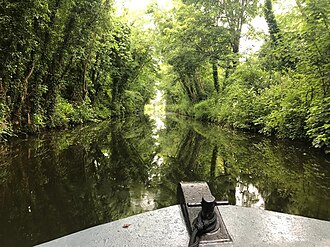
Royal Canal Lock-Keeper Apparitions: Night-Walk Guide & Local History
The Royal Canal winds through Dublin with a quietness that carries both documented labour history and a wealth of local stories about lock-keepers who never quite left the towpath. This guide separates what we can verify about the canal and its lock-keepers from folklore and eyewitness accounts, and offers a practical, respectful route for a night-walk—whether you go alone or join a guided Ghost Tour Dublin Experience.
Book a Royal Canal night walk with Ghost Tour Dublin Experience
Introduction: Why the Royal Canal draws stories of lock-keeper apparitions
Canals are places of transition: moving water, vessels in limbo, and people whose work was measured in shifts and routines rather than fame. Lock-keepers were constant presences on these edges, often working at odd hours, in fog and in lamplight. That combination—nighttime labour, solitary figures, and recurring practical dangers—creates fertile ground for stories. Over time practical memories about work and tragedy blend with folklore, making the Royal Canal a common subject for local ghost stories about lingering lock-keeper apparitions.
Documented history: The Royal Canal, lock-keeping life and historical records
The Royal Canal is part of a broader canal-building era that transformed transport and urban life. Locks and their keepers were essential: a lock-keeper regulated water levels, shepherded boats through locks, maintained gates, and often acted as the local custodian of the towpath.
Historically, lock-keepers were employed or contracted by canal companies and kept logs or accounts of traffic; town and company records sometimes note repairs, accidents or payments related to lock operation. Those official traces show the practical, sometimes precarious, nature of the job—long hours, exposure to weather, and the occasional accident. These documented facts underpin the human reality behind later stories.
Local history projects and archives preserve records about canal maintenance and workforce composition. For visitors, understanding this documented work-life helps distinguish factual context from the ghost stories that emerged around it.
Reported apparitions vs. folklore: Separating eyewitness accounts from legend
It’s important to separate three categories when you read about lock-keeper apparitions:
- Documented events: material records such as employment lists, accident reports or contemporary newspapers that refer to canal life. These tell us what people did and when the canal was a working corridor.
- Eyewitness accounts: people who report seeing a figure, hearing footsteps, or sensing a presence. These are valuable as contemporary testimony but are anecdotal by nature.
- Folklore and legend: stories that have been retold and embellished over generations, often mixing multiple sightings into a single narrative about a named ghost.
Reported apparitions along the Royal Canal commonly follow a few themes: a solitary figure in old-fashioned clothing, a light bobbing near a lock at night, or sounds of a barge being hauled that have no visible source. These reports come from walkers, cyclists and local residents and are best treated as eyewitness folklore unless corroborated by material evidence.
A safe night-walk: Suggested route, landmarks, and timing for visitors
Suggested route — start at a well-known public access point and follow the towpath rather than venturing onto private quays or gardens. Keep to lit sections early in the evening and move outward toward darker stretches if conditions and companions feel safe. A typical self-guided loop might be a two- to three-kilometre walk that allows time at a few locks for atmosphere without lingering in isolation.
Key landmarks to note: the lock gates themselves, surviving lock-keeper cottages or foundations, footbridges and sections where the towpath narrows. These are places where the canal’s operational past is most visible and where many reported sightings are centred.
Timing — undertake your walk in the early night hours rather than very late. Dusk and early evening preserve atmosphere while maintaining enough pedestrian traffic to be safe. Weeknights will be quieter; weekends busier. Check weather forecasts and flood risk notices before you go.
Access, permissions and respectful visiting
Not all stretches of canal-side are public. Some banks, gardens, and cottages are private property. Always remain on the public towpath and respect signage. When in doubt, assume the adjacent land is private and avoid crossing hedges or gates.
Boat traffic: the Royal Canal still carries leisure craft. Operators have right of way in the water; be mindful of wake and avoid obstructing moorings. Nighttime navigation can be unpredictable—don’t stand in narrow sections where crews may need to pass.
Local residents: many people live close to the canal and value peace. Keep noise low, avoid bright flashes or intrusive light, and leave gates as you find them. Low-impact behaviour protects both the environment and the goodwill of neighbours.
Brief visitor tips: Safety, low-impact behaviour, and basic low-light pointers
Safety first: walk with at least one companion, tell someone where you are going, and carry a charged phone. Wear sturdy footwear and a reflective layer if you’ll be near traffic. Keep to well-trafficked sections if you are unfamiliar with the area.
Low-impact behaviour: pack out what you bring in, leave vegetation untouched, and avoid climbing on historic structures. Flash photography can startle wildlife and residents; consider low-power red light for reading maps and keep any photography unobtrusive.
Basic low-light pointers: use a headlamp to keep hands free and your light directed toward the path, not into windows. If you want to capture atmosphere without specialist gear, our Budget Night-Photography Guide for Dublin Ghost Bloggers offers practical tips for capturing mood on a modest budget.
How Ghost Tour Dublin Experience covers the canal and booking options
Ghost Tour Dublin Experience runs guided night-walks that balance historical context with local stories. Guides point out documented canal history—how locks operated, the social role of lock-keepers—and clearly mark which tales are folklore, retellings or modern eyewitness accounts. A guided option reduces risk, clarifies access, and gives the chance to ask questions about specific sightings or landmarks.
Guided groups are planned to respect local residents, avoid private property, and maintain low-impact practices. If you prefer a private or corporate outing, Ghost Tour Dublin also offers group bookings tailored to your needs; enquire about private group options when you book.
Book a Royal Canal night walk with Ghost Tour Dublin Experience
Private groups and bespoke walks are available — book a dedicated night-walk for your party through the same booking page if you need a tailored route or a special focus on canal history and local stories.
Further reading and related night-walks
If you enjoy canal-side stories, you may also find complementary night-walk guides useful. Merchant’s Quay Lost-Shopfront Hauntings explores urban commercial history and nocturnal tales; Mount Jerome Cemetery Night Stories traces cemetery lore and recorded history; and the North Inner City Tenement Hauntings guide examines how domestic life and urban change feed local ghost narratives. For souvenirs or small keepsakes, see Merch Ideas for Dublin Ghost Tours — Low-Cost Souvenirs.
Closing note
The Royal Canal’s lock-keeper apparitions live at the intersection of workaday history and imaginative storytelling. Approached with respect—both for documented facts and for the living people who share the canal-space—these night-walks can be atmospheric, thoughtful and safe. Whether you walk the towpath alone with attention and restraint or join a Ghost Tour Dublin Experience guide, you’ll leave better informed about what the canal really was and why its stories endure.
FAQ
Are the Royal Canal lock-keeper apparitions historically documented or just folklore?
The role and presence of lock-keepers are historically documented in employment and canal records. Claims of apparitions are largely eyewitness accounts and folklore. Treat personal sightings as anecdotal testimony and distinguish them from the documentary record of canal operations and labour history.
Is it safe to walk the Royal Canal at night and do I need permission for certain stretches?
Walking the canal at night can be safe if you take common-sense precautions: go with a companion, use a lit and well-trafficked route, and inform someone of your plans. Some stretches are adjacent to private property—always remain on the public towpath and obey signage. If a gate or sign restricts access, do not cross it.
What should I bring for a night-walk to see canal apparitions (clothing, lighting, etiquette)?
Bring sturdy walking shoes, layered clothing for changing temperatures, a charged phone, a headlamp or low-power light, and a small first-aid kit. For etiquette: stay quiet near homes, do not climb or touch historic structures, avoid bright flash photography, and carry out any rubbish.
Can Ghost Tour Dublin take me on a guided visit to the Royal Canal sightings?
Yes. Ghost Tour Dublin Experience offers guided night-walks that include the canal’s history and local stories, and they can arrange private group bookings. To join or enquire about a tailored walk, please Book a Royal Canal night walk with Ghost Tour Dublin Experience.