
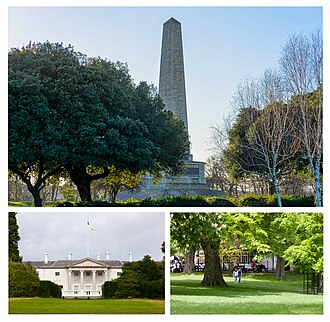
Phoenix Park Ranger Apparitions: Folklore, History & Night‑Walk Tips
Phoenix Park, a vast green lung on the edge of Dublin city, has long been a place where history and story meet. Among the park’s layers of memory are recurring tales of ranger apparitions—figures described as uniformed keepers or solitary walkers who vanish on quiet paths. This article separates oral legend from verifiable record, outlines why ranger figures feature in local storytelling, and offers practical guidance for anyone wishing to experience these stories responsibly on foot after dark.
Book a guided Phoenix Park night walk with Ghost Tour Dublin Experience
Phoenix Park at a glance: park history, rangers’ role, and changing landscape
Phoenix Park was created as a royal deer park and has evolved into one of Europe’s largest enclosed urban parks. Its mix of formal avenues, wild deer, large open grasslands and enclaves of mature trees provides a stage for history: stately homes, a Victorian observatory, and military and public offices all sit within its boundaries. For much of the park’s modern life, park keepers and rangers—charged with protecting the fabric of the landscape and overseeing deer herds, planting, and public order—were highly visible figures.
Over decades the rangers’ role shifted from a practical, often solitary job to part of a broader municipal service. That change in visibility and function is important to understanding the stories that grew up around their figures: when a familiar presence changes or disappears, it often becomes the subject of reminiscence and myth.
Ranger apparition accounts: common variants, witnesses, and how these stories circulate
The folklore surrounding Phoenix Park ranger apparitions has a few consistent themes. Accounts told in pubs, family recollections and on walking routes often describe: a solitary figure in an old-style uniform seen along an avenue; a ranger offering a brief, authoritative word before fading; or a silhouette near walls and lodges at dusk. Stories are usually shared as personal anecdotes—“a friend of a friend”—or as part of guided storytelling on night walks.
These narratives circulate orally and are amplified by the park’s atmospheric qualities: long shadows, deer movement and isolated lodges. Repeatable elements—uniform, authoritative posture, timing at dusk or on misty nights—help the tales persist. As folklore, they are valuable cultural signs: they tell us how communities remember public roles and how landscape features act as memory anchors.
Documented history vs legend: what records tell us
It is important to distinguish between anecdote and archive. Documented records—park administration minutes, maps, employment rolls and municipal reports—provide evidence of the rangers’ duties, uniforms, and organisation. These sources can confirm that park staff patrolled specific areas, cared for deer, and maintained boundaries. They also show that certain lodges and gates were long-standing fixtures, which factually anchors some sighting locations.
However, there is no simple, centralised “apparition file” in the archives. Reports of spectral sightings remain part of oral tradition rather than formal documentation. That means: the existence of a ranger, a lodge or a historical event can be verified; the described supernatural elements belong to legend and community storytelling. Treat accounts of apparitions as cultural memory, not as factualized incidents recorded in official files.
Locations and landmarks linked to stories: where visitors report sightings and what to look for
Certain places in the park recur in tales. Lodges along the perimeter, quiet stretches of avenue near the Phoenix Monument, and secluded corners beside the river and smaller roads are frequently named. Visitors also point to the Wellington Monument area and the older planting belts as spots where light and shadow play tricks on the eye and where the park’s human history feels most present.
If you plan to look respectfully for atmosphere rather than proof, focus on well-known, accessible areas rather than isolated, restricted zones. The park’s lodges and gates are evocative because they are tangible remnants of the rangers’ world; these are the places where oral stories often point and where interpretation is most rewarding.
Visiting responsibly: safety, permissions, and sensible etiquette for after‑dark visits
Night-time in a large urban park can be beautiful but also brings practical concerns. For safety, avoid venturing off waymarked paths, stay within well-used areas, and carry a charged phone and a torch. Respect deer—do not approach or feed them—and be aware that some parts of the park are actively managed or restricted for conservation and official use.
Permissions are straightforward for small groups: Phoenix Park is public open space. However, larger commercial or organised events may require permits from the park authority. If you’re unsure whether a specific activity needs consent—filming, erecting temporary equipment, or running a large private walk—ask in advance to avoid disruption.
Practical tips for experiencing the tales: best times, low‑light photo tips, guided tour options
Best times: Dusk and early night when the park’s silhouettes deepen are when stories feel most immediate. Weeknights tend to be quieter than weekend evenings. However, choose times when there is still reasonable footfall for safety, and check local opening advice for any seasonal changes.
Low‑light photography tips: Use a tripod or steady surface for long exposures, raise ISO cautiously to avoid excessive noise, and prefer wide apertures to gather more light. A warm, low-level torch can help focus without overwhelming the scene. Above all, respect other visitors’ experience—avoid bright flashes and intrusive lighting.
Guided options: A guided night walk adds context and safety. Trained guides from small local operators will provide historical framing, point out likely landmark locations, and manage group safety. For a curated experience that blends folklore with place-based history, consider a professionally run night walk.
How to join a Ghost Tour Dublin Experience night walk and further resources
Ghost Tour Dublin Experience runs guided night walks designed to balance atmospheric storytelling with historical grounding. The route highlights park landmarks tied to ranger stories and situates oral legends alongside documented facts. To reserve a spot and ensure a guided, safe visit, use the official booking page below.
Book a guided Phoenix Park night walk with Ghost Tour Dublin Experience
We can also accommodate private groups and special requests—if you’re organising a private history night, school visit, or themed walk, please enquire about bespoke arrangements. Private group bookings for Ghost Tour Dublin Experience are available through the same booking portal.
For a wider context of Dublin’s night-walk offerings and the way folklore and history intersect across the city, you might explore related guides such as the Royal Canal Lock-Keeper Apparitions: Night-Walk Guide & Local History, the Merchant’s Quay Lost-Shopfront Hauntings: Night‑Walk Guide to History & Tales, or the Mount Jerome Cemetery Night Stories. If you’re interested in merchandising or mementos for group events, see ideas in Merch Ideas for Dublin Ghost Tours — Low-Cost Souvenirs. For urban residential stories, the North Inner City Tenement Hauntings piece is also a useful read.
When you join a night walk, expect a mixture of verified fact and evocative oral tradition. The guides are careful to label what is documented and what belongs to community memory—an approach that protects historical integrity while keeping the storytelling alive.
Book a guided Phoenix Park night walk with Ghost Tour Dublin Experience
FAQ
Are the Phoenix Park ranger apparitions historically documented?
No central archive records sightings of apparitions. What is documented are the historical roles, uniforms and locations of park rangers and keepers. Apparition accounts are part of oral tradition and local folklore rather than formal historical reports. That distinction helps preserve facts while respecting the cultural value of the stories.
Is Phoenix Park safe to visit at night and are guided tours recommended?
Phoenix Park is generally safe in well-used areas, but standard precautions apply: stay in groups, keep to lit paths where possible, and carry a phone or torch. Guided tours are recommended for safety, context, and richer storytelling; they also ensure you stay in permitted areas and avoid inadvertently disturbing wildlife or managed zones.
Where in the park are apparitions most commonly reported?
Stories most often centre on lodges, avenues near monuments, and quieter planting belts—places where the built and natural landscape evoke the park’s working past. These locations act as memory anchors for oral tales and are popular stops on guided routes.
Do I need special equipment or permission for a night walk in Phoenix Park?
For casual visitors, no special equipment or permission is required beyond sensible clothing and a torch. For organised commercial activities, large groups, filming or equipment use, you should check with park authorities and consider permits. If you prefer a structured visit, book a guided night walk to benefit from experienced management and local knowledge.