
Shipyard Apparitions Around Dublin Bay — Haunted Slipways & Shipyards | Ghost Tour Dublin Experience
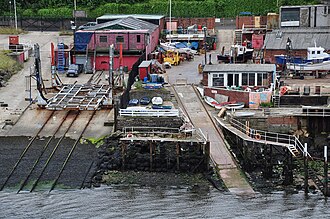
Shipyards, slipways and the exposed bones of harbourworks around Dublin Bay combine raw industry with the sea’s restless memory. Rusting cranes, tidal mud, and night-lit quays create settings where documented accidents, long shifts and maritime grief meet folklore and modern eyewitness accounts—producing the apparitions and uncanny sensations that draw curious visitors and researchers alike.
Book a Ghost Tour Dublin Experience to explore shipyard apparitions around Dublin Bay
1. Introduction: Why Shipyards and Slipways Make Haunting Landscapes
Working harbours are places of loud labour by day and uncanny stillness by night. The shipyard is where metal meets sea, where heavy machinery shapes lives and sometimes takes them. The combination of sheer physical danger, sudden loss, and communities of tightly knit workers creates fertile ground for stories that linger. Add the bay’s fog, reflected lights, and shifting tides, and you have an environment that primes both eyewitness testimony and folklore.
2. Maritime Industrial History of Dublin Bay: Shipbuilding, Harbours and Labour (documented context)
Documented history: Dublin Bay’s maritime industries expanded markedly from the later 18th century through the 19th century and into the 20th. Shipyards and slipways grew around Dublin Port, Ringsend, Poolbeg and smaller harbour towns such as Howth and Dún Laoghaire. These sites supported ship repair, ferry services, fishing fleets and harbour engineering projects.
Working conditions were often hazardous. Accidents—falls, crushing injuries, drowning—appear in contemporary newspapers and port records. Industrial disputes, shift patterns that stretched workers into the night, and episodic disasters left traces in municipal archives and labour memoirs. Those documented facts help explain why grief, anger and remembrance are common themes in local stories about apparitions.
3. Typical Apparitions and Themes: From Lost Seafarers to Worksite Echoes (folklore vs. eyewitness reports)
Folklore and legend: Traditional tales that predate modern tourism include spectral sailors walking the quays, phantom bells heard during fog, and boundary rituals intended to protect ships and slips. These older narratives are often symbolic, reflecting community attempts to make sense of loss at sea.
Eyewitness reports: Contemporary accounts reported by locals and visitors tend to describe: shadowy figures in oilskins at low tide; transient cold spots near old slipways; distant calls and the impression of footsteps on empty gangways. Some witnesses report electronics interference or sudden feelings of vertigo at particular piers. While anecdotal, these reports often cluster around documented accident sites or older operational areas of ports.
4. Notable Areas to Explore Around Dublin Bay
Dublin Port & Ringsend
Dublin Port is an active commercial harbour with deep industrial roots. The Ringsend area contains old slipways and quay structures that were once busy with ship repair and coaling. Visitors sometimes report seeing solitary figures where sandwiches were once sold to dockworkers or hearing the echo of long-gone hammers. Remember: much of the port remains operational and access is restricted without permission.
Poolbeg & Sandymount
Poolbeg’s tall chimneys and the long walk along Sandymount strand create a cinematic backdrop. The slipways and shorelines here are tied to salvage, fishing and engineering works that have a long history of small accidents and local tragedies—events that feed the area’s stories. Apparitions reported here are often tied to the sea rather than to the industrial machinery: lone fishermen from another era, or a figure standing at the tidal edge.
Howth & Dún Laoghaire
Howth’s fishing piers and Dún Laoghaire’s Victorian harbourworks host their own spectrum of maritime tales. Howth’s narrow alleys and piers concentrate eyewitness accounts of lights where no boats are moored, while Dún Laoghaire’s old ferry slips have been the setting for both documented ferry incidents and later oral histories of lingering crew apparitions.
If you’re interested in broader context around ritual sites and boundary markers that often intersect with harbour superstitions, see our piece on Cursing Stones & Boundary Markers on Dublin’s Edges. For stories that tie markets, merchants and the urban night to maritime commerce, consider Victorian Market Squares of Dublin. And for deeper waterway folklore that feeds many harbour legends, read Underground Rivers and Buried Streams.
5. How to Visit: Access, Permissions, Safety and Respecting Working Harbours
Many slipways and yards are on private or operational land. Trespassing into active port zones is dangerous and illegal. Always obey signage, barriers and instructions from port staff. For safe visiting:
- Contact harbour authorities or site owners where access is unclear; many sites can be visited by arrangement.
- Wear sturdy footwear, hi-vis clothing if required, and bring a torch for uneven surfaces and tidal areas.
- Respect working schedules: avoid interfering with crews, machinery or scheduled operations.
- Do not remove artifacts, climb cranes, or enter fenced-off sheds—both for safety and heritage protection.
6. What a Ghost Tour Dublin Experience Covers
Our guided Ghost Tour Dublin Experience blends archival research with storytelling and respectful on-site observation. A sample maritime-focused itinerary might include: a walk along old slipway approaches, a stop at an area tied to documented accidents or ship repairs, and a retelling of oral histories collected from dockworkers’ families.
Our guides indicate which elements are documented—port records, newspaper mentions and municipal files—and which are local legends or contemporary eyewitness accounts. We prioritise safety and legal access, and we advise on the responsible use of cameras and audio equipment. For photography: low-light settings benefit from a fast lens and a stable hand or monopod; always ask permission before photographing workers or private property.
For tours that examine other aspects of Dublin’s haunted infrastructure and grant-funded dark-history projects, see How to Get Arts & Heritage Grants in Dublin for Dark‑History Projects and our feature on Ferry Terminal Phantoms—which explores dockworker narratives and slips specifically.
7. Separating Fact from Legend: Records, Newspaper Reports and Oral Histories to Check
To evaluate a haunting claim, start with documented records: port logs, coroner’s inquests, and contemporary newspaper reports. These sources establish the factual skeleton—who worked there, where accidents occurred, and when infrastructure changed.
Oral histories and folklore add flesh to that skeleton: they reveal how communities remember events, ritualise danger and assign meaning. A robust approach sets documented facts and recorded testimonies side by side, acknowledging the difference between verifiable events and evocative storytelling.
8. Practical Tips, Responsible Dark Tourism and Further Resources
Respect the people who still make their living on these shores. Dark tourism should be responsible: avoid sensationalising grief, seek permission for guided access, and follow local rules. If you’re conducting research, record sources and seek copies of public records rather than relying on hearsay.
Book a guided experience if you want a safe, informed way to explore these maritime hauntings: Book a Ghost Tour Dublin Experience to explore shipyard apparitions around Dublin Bay. We also offer private group bookings for researchers and family groups—visit our private groups page to arrange a tailored tour for your party: Private group bookings.
FAQ
Are shipyard apparitions around Dublin Bay based on documented events or just legends?
They are usually a mixture. Many apparitions are reported in locations with a verifiable history of accidents, ship repair work or maritime tragedy. Newspaper accounts, port records and oral histories provide an archival backbone; folklore and later eyewitness testimony often layer symbolic meaning on top of those facts.
Can I legally and safely visit the old slipways and shipyards mentioned in the article?
Some areas are publicly accessible promenades or beaches, but many slipways and yards are privately owned or operational. Legal and safe visits often require permissions or guided access. Do not enter fenced or restricted areas; contact harbour authorities or join a guided tour to ensure compliance and safety.
Does Ghost Tour Dublin offer guided tours that focus on maritime hauntings?
Yes. Ghost Tour Dublin Experience runs maritime-focused walks that combine documented history with local stories. Tours highlight which accounts are archival and which are anecdotal, always prioritising safe and legal access. Bookings are available on our main site.
What should I bring and how should I prepare for a nighttime shipyard ghost walk?
Bring sturdy, non-slip footwear, weather-appropriate clothing, a reliable torch, and a charged phone. For photography, a fast lens and a stabiliser help in low light. Most importantly, be prepared to follow safety briefings, respect working areas and keep a respectful attitude toward sites associated with loss.