
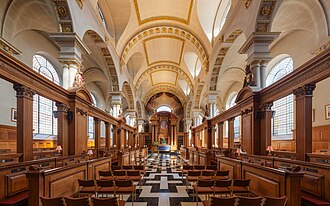
St Bride’s Bell Shadows: Fleet Street Church Legends After Sunset
St Bride’s on Fleet Street draws a steady stream of curiosity after dusk. Locals and visitors speak of ‘bell shadows’—dark, shifting silhouettes that seem to fall across the church façade and the narrow street below. Whether you come for history, folklore, photography, or a shiver of atmosphere, the site rewards a careful, after-dark visit that separates recorded facts from the stories that gather around them.
Book a guided after-dark St Bride’s tour with Ghost Tour Dublin Experience
Why St Bride’s draws after-dark curiosity — the bell shadows on Fleet Street
There’s an immediacy to St Bride’s location: a church face framed by narrow lanes and pool-lighted cobbles. After sunset, ordinary streetlights and the glow from nearby pubs and offices create a layered lightscape. Within that glow, observers report what they call ‘bell shadows’—sudden, elongated silhouettes that sweep across stone and glass, sometimes accompanied by the low after-ring of a bell or the creak of old timber.
A concise history of St Bride’s Church and its bells (documented facts)
St Bride’s on Fleet Street is an historic place of worship set within one of Dublin’s older street grids. Like many parish churches, it has been maintained, altered, and repaired over generations. Bells and bell ropes are part of its documented fabric: churches in Dublin commonly used bells to mark services, civic announcements, and the hours.
Surviving records and parish notes typically highlight maintenance, structural work, and changes to how buildings were lit. Those practical archival items explain much about why the church looks and sounds as it does today.
Origins of the ‘bell shadows’ stories — tracing folklore and eyewitness accounts
The language of ‘shadows’ is a natural fit for after-dark Dublin. The stories around St Bride’s appear to have emerged as local residents, late-night workers, and pub-goers compared notes about what they’d seen. Eyewitness accounts vary: some describe crisp, bell-shaped silhouettes; others recall longer, mobile shadows cast along the stone; a few insist the shadows appear in the absence of any visible source.
Folklore around St Bride’s has been shaped by a mix of local memory, imagination, and the city’s love for a good story. As with many urban legends, the tale has multiple voices—shopkeepers, clergy, night-shift workers, and guided-tour narrators all add texture and emphasis, which helps the legend evolve.
Separating record from rumour: what archival records say vs local storytelling
Documented records are clear on certain points: the church has experienced repairs, rewiring, and changes to its exterior lighting; bells have been repaired and rehung at various times; and the urban landscape around Fleet Street has been altered by new buildings and streetlight designs. Those records account for most practical causes that create strong shadow effects at night.
By contrast, rumours tend to add supernatural explanation or suggest unexplained movements independent of any light source. Where archives can explain physical changes—new lamp posts, reflective shopfronts, or iron frames in belfries—the rumours prosper in the gaps: a sudden gust through an open belfry, a neglected streetlamp, or an unusually bright moon can be retold as uncanny events.
How to read the difference
Documented facts offer structural and environmental reasons for shadow-play: bell openings, louvers, and the profiles of bell frames will all cast identifiable silhouettes when lit from particular angles. Oral accounts, by contrast, emphasise experience—how the shadow made someone feel, or the sense of timing with a particular toll.
What to expect after sunset: visual phenomena, best viewing angles, and how light and architecture create effects
Expect atmosphere first: the narrowness of Fleet Street concentrates light, while shopfront glass and wet cobbles scatter it. Streetlamps at different heights create contrasting shadows; building-mounted floodlights and passing vehicle beams add movement.
Bell shadows most commonly occur when a light source is placed behind or beside the bell openings. The bell’s profile, the louvres in the belfry, and any hanging supports produce distinctive outlines. If the bell swings or small elements shift in the breeze, static shadows become animated, which is often what surprises onlookers.
Best viewing angles are typically across the street and slightly below the level of the bell openings; this emphasises vertical elongation and helps convert the bell’s rounded silhouette into long, dramatic shadows. Avoid standing directly beneath the belfry: perspective flattens the silhouette and reduces the effect.
Guided experience: what a Ghost Tour Dublin Experience brings
A guided after-dark tour clarifies what you’re seeing and keeps your visit safe and respectful. The Ghost Tour Dublin Experience offers local knowledge, historical context, and precise vantage points where the bell shadows are most likely to appear. Guides can point out architectural details, explain how different lights interact with the belfry, and collect oral histories that enrich the moment.
Recommended tour route focuses on Fleet Street as a spine: approach St Bride’s from the riverside to see how the Liffey’s reflections and quayside lamps affect sightlines. A guided route often connects to other atmospheric after-dark stops—try pairing St Bride’s with the Liffey Barge & Quay Ghost Trail or the Temple Bar Lantern Alleys to expand the evening’s narrative and contrast waterside and alley lighting.
Timings: after civic lights come on and before the late-night bustle peaks is prime—early evening offers a quieter experience, while later hours tend to be busier and noisier. Your guide will choose the window that combines darkness with safety and the best chance of clear shadows.
Practical visitor information: opening hours, access, photography guidance, safety and accessibility
Opening hours and access policies vary. St Bride’s may be open for services, private events, or maintained as a heritage site—check locally or consult a guide to confirm entry possibilities. When the church is closed, the bell shadows can still be viewed from public ways.
Photography: use a tripod for long exposures, and experiment with different white-balance settings to capture the interplay of sodium and LED streetlights. Be mindful of flash: it can disturb worship, residents, and other visitors. If you’re on a guided tour, follow the guide’s advice on where photography is permitted.
Safety and accessibility: Fleet Street’s paving can be uneven and wet at night. Wear sensible shoes, bring a small torch, and be aware of traffic. If you have mobility concerns, ask in advance about accessible viewpoints; a guide can usually adapt the route or point you to accessible sightlines.
Responsible tourism and preserving St Bride’s
Respect for worship and conservation is essential. St Bride’s remains a place of prayer and community, so avoid loud behaviour, stay on public paths, and follow any signage or stewarding instructions. Conservation needs quiet observation: don’t attempt to climb on walls or touch delicate masonry or bell fittings.
Consider the impact on residents: Fleet Street is mixed-use and home to people living above and around the church. Keep noise low and gather in designated public spaces rather than blocking narrow lanes. If you enjoy the local lore, support preservation by booking through reputable operators who contribute to maintenance and community initiatives.
Book a guided after-dark St Bride’s tour with Ghost Tour Dublin Experience
If you’re organising a private group, Ghost Tour Dublin Experience can arrange tailored outings and exclusive time slots—ideal for photography groups, corporate outings, or private folklore evenings. For private bookings and group rates, please contact the team via the private groups page.
Book a guided after-dark St Bride’s tour with Ghost Tour Dublin Experience
For context and to expand your after-dark walking plan, consider combining St Bride’s with nearby themed routes: the Liffey Barge & Quay Ghost Trail brings waterside history into the mix, Georgian Lamp-makers and Dublin Streetlight Superstitions explores how lighting shaped local stories, Temple Bar Lantern Alleys gives a compact alleyway experience, and coastal-themed after-dark tales like Dublin Bay Shipwreck Ghosts or Bull Island Twilight Apparitions add seaside contrast to your itinerary.
FAQ
Are St Bride’s ‘bell shadows’ a documented phenomenon or just local folklore?
They are primarily a local phenomenon described in both documented maintenance records and oral reports. Archival records explain the structural and lighting conditions that make shadow effects possible; local folklore layers meaning and anecdote around those observable phenomena.
Can I see the bell shadows after sunset without joining a guided tour?
Yes. The shadows can be seen from public ways around Fleet Street, but a guided tour improves your odds of seeing them under the best conditions and provides historical context and safe, respectful viewpoints.
Is St Bride’s Church open to visitors at night and are there restrictions?
Access varies. The church may be open for services or events, and it may close at night. When it is closed, you can still view the exterior from public streets. Always check local notices or consult a guided tour operator before planning an after-dark interior visit.
What should I bring and how should I prepare for an after-dark visit to Fleet Street?
Bring sensible footwear, a small torch, a camera with tripod if you plan to photograph, and warm layers. Respect worship and neighbours, follow any guidance from stewards or guides, and avoid obstructing narrow lanes. For the most informed and safest experience, consider booking a guided tour.