
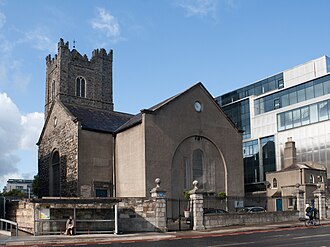
St. Michan’s Crypt Legends and Mummies: History, Myths & Visitor Guide
St. Michan’s crypts are among Dublin’s most talked-about underground sites: centuries-old vaults, visible mummified remains and a stack of ghost stories that draw first-time visitors and repeat guests alike. This practical guide separates confirmed history from folklore, explains what you will actually see on a visit, and gives clear, tour-oriented advice so you can plan a respectful, memorable stop with the Ghost Tour Dublin Experience.
Book your St. Michan’s crypt visit with Ghost Tour Dublin Experience — reserve tickets now at https://www.ghosttourdublin.com/
Documented history: the church, the crypts and archival evidence
St. Michan’s stands on a site with a lengthy ecclesiastical history. The church itself has been rebuilt and repaired multiple times; what visitors see above ground reflects later construction phases overlaying earlier medieval foundations. Surviving records and architectural studies show that crypts beneath many Dublin churches were used for burials of parishioners, clergy and occasionally notable local families.
The crypts at St. Michan’s are standard examples of vault burial chambers: low, stone-lined chambers beneath the nave and aisles where coffins and burial chests were placed. Archaeological and archival work confirms that interments took place there over multiple centuries. Where documentation exists, it records the use of family vaults, parish burials and occasionally re-locations of remains during repairs — the kinds of administrative and practical details that mark church burial practice rather than supernatural events.
Distinguishing documented facts from rumor is important: records and conservation reports tell us how the crypts were used and altered; they do not document hauntings. That separation helps visitors understand what is archival history and what has grown into folklore over time.
The mummies: who they likely were, preservation and what is known vs unknown
The best-documented reality about St. Michan’s mummies is simple: they are human remains that have survived in a preserved state. Preservation is primarily a result of environmental conditions in certain vaults — dry stone, steady cool temperatures and ventilation patterns that limit decay. Natural mummification can occur in such conditions without human embalming.
As for identity, many of the individuals in the crypts were ordinary parishioners, some from families with vault rights, others local figures. In a few instances, inscriptions or church records associate named burials with particular vaults. In many other cases, identities are uncertain because wooden coffins and labels decay and records are incomplete.
What is unknown or uncertain should not be presented as fact. There is no comprehensive, public registry that names every individual in the crypts, and forensic ages or causes of death for most remains are not part of routine visitor information. Conservation teams and archivists have more detailed reports, but those are professional records rather than public myth. When you hear bold claims about “famous” mummies or sensational backstories, look for corroborating archival evidence before accepting them as established history.
Legends and folklore: popular ghost stories and how they differ from the historical record
Folklore around St. Michan’s has gathered a theatrical set of stories: restless spirits, screams heard in the night and spectral figures in the churchyard. Folklore is valuable cultural material — it tells us how people have responded emotionally to the crypts and the human remains below. It also fuels public interest and the storytelling tradition of Dublin’s darker tourism.
However, legends often conflate separate events, attribute unnamed remains to dramatic crimes, or project modern fears onto historical burial practices. Where archival records provide context — who was buried where, administrative responses to repairs, or recorded parish events — those documents typically offer mundane explanations rather than supernatural ones.
Respectfully enjoying folklore while keeping it distinct from documented history is part of a responsible visit. If you are curious about how myths form, Ghost Tour Dublin Experience routes often link St. Michan’s stories with broader themes in the city’s dark past, and you can learn more about archival work and haunted-house tracing in our feature on Tracing Dublin’s Haunted Houses in Public Archives: A Visitor’s Guide.
What to expect on a visit: layout, notable features and sensory notes
A visit to St. Michan’s crypts is atmospheric and sensory: stone stairways, low vaulted ceilings, the hush of an enclosed underground space, and the visual impact of preserved remains within coffins or vault niches. Expect narrow passages and compact chambers rather than large open caverns.
Notable features commonly pointed out by guides include the arrangement of family vaults, visible wooden or lead-lined coffins and signage or plaques that explain certain burials where records exist. Lighting is typically low to protect remains and to maintain the historic character of the vaults; this adds to the atmosphere but can make photography more challenging.
Sensory notes: the air in the vaults is cool and carries an earthy, mineral scent. Some visitors remark on an immediate feeling of quiet solemnity; others describe a heightened sense of curiosity. On busy days the sound of a guided group’s voice will shape the experience; on quieter visits the muffled echoes and stillness are more pronounced.
Practical visitor tips: hours, ticketing, guided vs self-guided, photography and behaviour
Opening hours and ticket availability vary with season, conservation work and special events. Because the crypts are a managed heritage site, tickets can sell out during peak tourist periods and on evenings with ghost-themed tours. Advance booking is strongly recommended to guarantee entry.
Guided tours are the best option for most visitors. Guides provide historical context, point out architectural and funerary details, and explain where records inform our understanding. Self-guided entry may be limited or unavailable at times for safety and conservation reasons, so check current arrangements before you go.
Photography is sometimes allowed but often restricted: flash can harm fragile materials and alter visitor experience, and some areas are off-limits to cameras. Always follow posted rules and staff instructions. Behaviour expectations are straightforward — speak quietly, do not touch remains or artifacts, and do not remove anything from the site.
For tickets and the best advice on current visitor protocols, reserve through Ghost Tour Dublin Experience well in advance at https://www.ghosttourdublin.com/. Our guides include St. Michan’s on several curated routes that blend history, folklore and archival detail — see options below.
Conservation and ethics: why preservation matters and likely restrictions
Conservation of human remains and historic crypt fabric is a matter of professional and ethical practice. Preserving stable environmental conditions, limiting visitor numbers, restricting touch and controlling lighting are all measures used to reduce deterioration. These restrictions are not meant to limit enjoyment; they are necessary to protect the remains for future study and public appreciation.
Respectful visiting also entails treating the site as the resting place of former parishioners. Photography that is intrusive, noisy behaviour, or attempts to access restricted alcoves damages both the material and the dignity of the site. Conservation teams and church staff can and will close areas temporarily for monitoring or repairs — this is a sign that preservation is being actively managed.
Booking and tour options with Ghost Tour Dublin Experience
Ghost Tour Dublin Experience offers a range of ways to include St. Michan’s in an evening route: single-site visits paired with local storytelling, longer night trails that explore judicial and clerical history, and private-group bookings for tailored content. Popular combinations include routing St. Michan’s with other haunted or historically charged sites — for example, our Judicial Quarter Night Trail pairs well with the crypts for a legal-and-burial history narrative; learn more at Judicial Quarter Night Trail: Courts & Midnight Benches.
We also run themed walks that link St. Michan’s stories to broader Dublin legends and archival research. If you want to explore ecclesiastical night legends alongside the crypts, consider our features like St Patrick’s Cathedral After-Dark Legends or our pieces on local apparitions and military sites such as Beggars Bush Barracks Sentry Apparitions.
To reserve tickets or arrange a private group visit, Book your St. Michan’s crypt visit with Ghost Tour Dublin Experience — reserve tickets now at https://www.ghosttourdublin.com/
For private group bookings or tailored educational tours, contact our reservations team via the private groups page at https://www.ghosttourdublin.com/ to discuss route options, accessibility needs and group size.
Concluding note: balancing awe and responsibility
St. Michan’s crypt legends and mummies are part of Dublin’s layered past — a mix of archival record, natural preservation and folklore. Visiting responsibly means appreciating the atmosphere while acknowledging the human stories beneath the dramatized legends. A guided visit with Ghost Tour Dublin Experience will give you context, conserve the site for future visitors and allow you to enjoy the experience without guessing where history ends and myth begins.
FAQ
Are the St. Michan’s mummies real human remains and how old are they?
Yes — the mummified specimens in the crypts are human remains preserved under vault conditions. Exact ages vary and are not uniformly published; many are centuries old. Where available, parish records and conservation reports provide better context for specific burials.
Can visitors go down into the crypts on their own, or is a guided tour required?
Policies change, but guided visits are the common arrangement to ensure safety and conservation. Self-guided access may be limited; check current visitor rules and book a guided slot with Ghost Tour Dublin Experience to guarantee entry.
Is photography allowed inside the crypts and are there restrictions?
Photography can be restricted to protect materials and visitor experience. Flash is usually prohibited and some areas may be off-limits to cameras. Follow on-site signage and guide instructions.
Is the experience appropriate for children and people with mobility issues?
Families should exercise discretion: the visual presence of human remains can upset younger children. Mobility access is limited — expect stone steps, narrow passages and low ceilings. Contact the tour operator in advance to discuss accessibility and possible alternatives.