
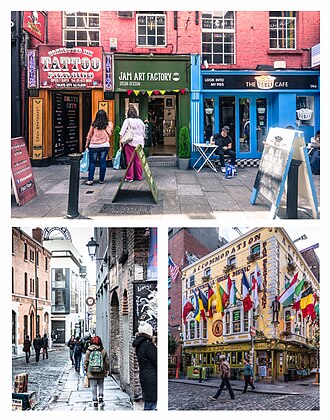
Temple Bar Hidden Alleys Night-Walk: A Guided After-Dark Stroll in Dublin
Temple Bar’s narrow lanes and cobbled alleys have a different heartbeat after sunset: a mix of music spilling from pubs, soft éclairage from old lamps, and pockets of quiet where the city’s older stories linger. This guide blends recorded social and architectural history with local folklore to give you a practical, visitor-focused night-walk you can enjoy alone or with a guide.
Book a guided Temple Bar night-walk with Ghost Tour Dublin
Why Temple Bar’s Alleys Come Alive After Dark
Temple Bar is often thought of as a daytime market area or a lively pub quarter, but after dark its alleys reveal layers that daytime visitors often miss. Low light softens façades and amplifies sound—live music, conversation, footsteps—so architectural details and urban textures take on a heightened presence. That atmosphere feeds both documented histories and the many stories that local people pass along.
Brief documented history of Temple Bar — markets, entertainment, and urban change
In recorded terms, Temple Bar has long functioned as a mixed-use area: commercial activity at street level, social and entertainment uses, and a dense weave of small streets and yards. Over time it has hosted markets, small-scale industrial activity, and cultural venues. More recently, urban renewal and conservation efforts shaped the current character: preserving older building lines, encouraging cultural enterprises, and rethinking public space management.
When planning a night-walk, it helps to know that much of what you see is the result of layering: original plot boundaries and small yards overlaid with later shopfronts, signage, and pub interiors. That layering is part of the appeal—and part of what fuels stories about the area’s past.
What to expect on a Temple Bar hidden-alleys night-walk (safety, lighting, timing)
Safety first: Temple Bar is a busy entertainment quarter and, in most parts, well-patrolled and well-lit. The alleys themselves may be narrower and dimmer than the main streets, so bring sensible footwear and be aware of uneven paving. Keep valuables secured and consider travelling in small groups after midnight.
Lighting varies from gas-style lamps and wall-mounted fixtures to the glow spilling from pubs and galleries. Some yards are intentionally low-lit to preserve atmosphere; a small torch or a phone light is handy for reading plaques or steps. If you prefer more light, choose an earlier evening slot when venues are open and streets are busier.
Timing: a guided circuit typically runs 45–75 minutes — long enough to cover a compact route and leave time for questions, but short enough to keep energy up. If you want to linger at photographs or stop for a drink, plan extra time.
A route framework: a compact 45–75 minute circuit through Temple Bar’s laneways
Below is a practical, flexible route framework that works for both guided groups and independent walkers. It’s modular—use sections in any order depending on light, crowds, and personal interest.
Start at a visible meeting point
Choose a clear, well-lit landmark at the edge of Temple Bar as your start: a large public square, a cathedral-facing corner, or the front of a well-known pub. This makes it easy for late arrivals to find you.
Make a clockwise loop through the lanes
Move into the alley network and keep the loop compact. Wander past small courtyards, through short passages that open to tiny yards, and along streets where building lines are tightly packed. Aim to pause at two or three spots for short historical notes and folklore snippets.
Pause at atmospheric thresholds
Pause where a lane opens into a yard, where a plaque or carved lintel is visible, or where a long façade tells an architectural story. These thresholds make good stops for storytelling and photos.
Finish where there’s warmth and refreshment
Plan to end near an established pub or café. That lets the group warm up, ask questions, and discuss what they’ve seen. If you want a historically resonant stop, consider a venue with a well-known local reputation for late‑night tales; for more on pub stories, see our piece on The Brazen Head: Pub Hauntings and Late‑Night Tales in Dublin.
Tales and testimonies: separating folklore from documented incidents
Temple Bar is rich in oral tradition. Some tales circulate as lively local folklore—unverified, evocative, and best enjoyed for atmosphere. Others are grounded in documented events: court records, municipal reports, and reliable contemporary accounts.
As a practical rule for visitors: treat folklore as what it is—stories that reveal how people made sense of the past. Treat documented incidents as claims that rest on recorded evidence. During a guided walk, a responsible guide will make those distinctions clear: “this is a locally told ghost story” versus “this event is recorded in municipal records.” If you’re exploring independently, look for plaques or archival markers that reference documented facts, and enjoy the folklore as part of the cultural texture rather than literal history.
Sights to look for: architectural cues, plaques, and atmosphere that hint at past lives
Eyes up and eyes down both reward you. Look for surviving stone or timber lintels, irregular window alignments that hint at past plot divisions, and traces of older signage set into façades. Cobble patterns and changes in paving level often indicate older yard boundaries. Small brass or stone plaques can point to recorded histories or commemorations.
Inside and at thresholds, you might notice readapted spaces—former storage vaults turned into small businesses, narrow stairways reused as service routes, and doorways with muted numbers that suggest previous building arrangements. These cues aren’t dramatic on their own but together they sketch the story of a living urban quarter.
For other atmospheric places worth exploring on a different route, consider pairing a Temple Bar night-walk with visits to nearby sites such as Whitefriar Street Church or an evening circuit around St Stephen’s Green to expand your after-dark experience.
Practical tips for visitors: booking a guided tour, photography, accessibility, and pubs
Booking: guided walks offer the benefit of a local narrator who can point out subtle architectural cues and separate folklore from record. If you’d like a structured experience, Book a guided Temple Bar night-walk with Ghost Tour Dublin to secure a place and ask about group sizes and meeting points.
Photography: low light is atmospheric but challenging. Use a tripod or stable surface for long exposures, or shoot at higher ISO settings if handheld. Be mindful of private property and avoid flash inside pubs or across doorways—flash can disturb patrons and obscure the ambience you came to capture.
Accessibility: many alleys are historic and were not built with modern accessibility in mind. Expect narrow passages, steps, and uneven paving. If mobility is limited, contact a guide in advance about alternate routes or meeting points that minimise stairs and rough surfaces.
Pubs and etiquette: finishing a walk in a pub is a popular option. Be considerate of locals and other patrons: order at the bar, respect table reservations, and keep group noise reasonable. For curated pub-history reading, see our article on pub hauntings and late-night tales.
For organisers and bloggers interested in promoting or monetising night-walk content, our resources on pricing virtual ghost tours and micro-sponsorship tactics may be helpful background reading.
Book a guided Temple Bar night-walk with Ghost Tour Dublin
If you’re arranging a private group, we can tailor timings and routes to mobility needs and content focus; contact us for private group bookings and bespoke arrangements via our private bookings page.
Wrapping up: making the most of your night-walk and further resources
A Temple Bar hidden-alleys night-walk works best when you balance curiosity with respect: curiosity to notice small details, and respect for the living neighbourhood and its patrons. Whether you go with a guide or alone, keep your route compact, plan for low light, and allow time to pause and listen. Recorded history and folklore both add texture; knowing which is which helps you appreciate the area’s richness without conflating story with archival fact.
For more on neighbouring after-dark routes and thematic walks, see our guides to nearby sites and themed stories, and consider combining a Temple Bar circuit with other evening-level experiences to broaden your sense of Dublin’s layered nightlife.
Book a guided Temple Bar night-walk with Ghost Tour Dublin
FAQ
Is it safe to walk Temple Bar’s alleys at night, and should I join a guided tour?
Generally, Temple Bar is a busy and well-patrolled district; however, alleys are narrower and sometimes dimmer than main streets. For first-time visitors or smaller groups, a guided tour adds orientation, local knowledge, and an extra layer of safety. If you walk independently, use common-sense precautions: travel in groups, keep valuables secure, and stick to busier lanes after midnight.
How long is a typical hidden-alleys night-walk and what should I wear?
Most guided circuits last 45–75 minutes; that timeframe is long enough for a compact route and a few stops for stories. Wear comfortable shoes suited to cobbles and occasional steps, dress in layers for changing temperatures, and carry a small light if you plan to explore quieter yards.
Will the guide distinguish between folklore and historical fact during a tour?
A good guide will make clear when a story is local folklore versus when a claim rests on documented evidence. Expect phrases like “local tradition says…” for unverifiable tales and references to records or plaques when the account is documented.
Are these night-walks suitable for families or people with limited mobility?
Families can enjoy shorter, early-evening walks that avoid late-night crowds. Accessibility varies: some alleys have steps and uneven paving. Contact a guide or tour organiser ahead of time to discuss route adjustments or alternate meeting points to accommodate mobility needs.