
Wood Quay at Night: Viking-era Tales and Norse Spectres in Dublin
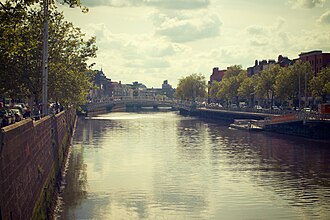
Wood Quay sits where the medieval city met the river: an archaeological palimpsest of timber-built quays, workshops and harbour-side life that archaeologists link to Dublin’s Viking-era settlement. After dark the stone and water around Wood Quay take on a different cast — an atmosphere that encourages both sober questions of what the excavated record actually shows and the imaginative layering of later Norse-related ghost stories. This guide separates documented history from folklore and gives practical, atmospheric directions for experiencing Wood Quay on a focused night walk with Ghost Tour Dublin Experience.
Book a guided Wood Quay night walk with Ghost Tour Dublin — reserve your spot now
Why Wood Quay matters: Viking Dublin on the banks of the Liffey
Wood Quay occupies a crucial stretch of the River Liffey where archaeological work uncovered traces of long-standing river commerce. The features exposed there — timber-lined quays, waterfront workshops and aisles of post-holes and hearths — help explain how Norse settlers organised riverside trade and crafts in what became Dublin.
The significance of Wood Quay is twofold: it provides physical evidence of a riverside urban economy, and it anchors later urban memory. The quay was a working shoreline long before modern civic developments, so when night falls the spot still reads as an ancient edge between water and city.
What archaeology and records tell us about Viking-era Wood Quay (documented history)
Archaeological work at Wood Quay revealed a sequence of waterfront structures and industrial activity aligned with a river-based economy. Excavators recorded timber revetments and building platforms that indicate deliberate construction to manage shoreline change and to create usable quayside space.
Finds recovered from the site tend to be everyday items and workshop debris: evidence of metalworking, leatherworking and other trades linked to a functioning port. These artefacts and structural remains are the core of what we can claim with confidence about Viking-era Wood Quay: it was a working waterfront with durable, built features used by a riverine settlement.
What the archaeological record does not show — and it is important to be explicit about this — is a clear archaeological signature of ritualised large-scale burials or battlefield carnage at the quay itself. Burials associated with Norse Dublin appear in other contexts across the city and its hinterland, but Wood Quay’s excavated record speaks primarily to commerce, craft and shoreline management rather than funerary activity.
Norse spectres and later legends: tracing the origin of the ghost stories (folklore vs fact)
Ghost stories about Vikings on the Liffey are largely a product of later cultural imagination, not direct archaeological testimony. Over generations, the visible remains of an ancient shoreline and the dramatic image of longships and raiding Norsemen fed into folkloric retellings that recast ordinary medieval life as haunted drama.
Folklore draws on a handful of recurring motifs: the impossible sound of oar-strokes when no ship is in sight, glimpses of figures in dark cloaks near water, and tales of ancestral wrongs or lost gold that must be avenged. These are powerful narrative tools but they do not equate to physical evidence. Where archaeology can speak — through timber patterns, tool marks, and workshop waste — it confirms activity and presence; where stories speak, they often explain absence with the language of the supernatural.
Distinguishing the two is not an attempt to dampen the mood. On the contrary: knowing what the stones and soil say makes the spectres more interesting. When a guide pauses at a revetment and explains why a timber slot was cut, the later ghost story gains context and resonance instead of competing with fact.
Top night-walk spots around Wood Quay — what to look and listen for
The best Wood Quay night-walks are compact, atmospheric and anchored to places where you can see tangible traces or meaningful urban edges.
- The river edge: Walk the Liffey promenade and note changes in stonework and river lighting. The interplay of water, light and sound here encourages listening — the lapping of water, distant traffic, and the occasional gull become part of the scene.
- Quay plaza and information panels: These markers often identify where archaeological features were recorded beneath modern paving. A moment here helps orient the narrative from “ghost” to “documented shoreline”.
- Nearby medieval junctions: Crossing points and alleys that link to older routes convey how people moved between river and street; these narrow transitional spaces are where witnesses historically reported strange sightings.
- Shadowed vaults and cellars close by: While not on the Wood Quay footprint itself, nearby underground spaces and cooler air currents have inspired many of Dublin’s ghost narratives. For more on subterranean phantoms, our maps expand this theme in Cellar Vaults & Cold Spots.
- Transit corridors: Old tram routes and historic thoroughfares near the quay carry their own tales; see how stories follow lines of movement in Tramline Phantoms.
How a guided Ghost Tour Dublin experience interprets these tales (what a visitor sees on a tour)
On a Ghost Tour Dublin walk at Wood Quay you’ll get a guide-led blend of archaeology, urban history and measured storytelling. Guides set the scene by explaining the kinds of features archaeologists recorded and what those features mean for daily life in a riverside settlement.
Stories are presented in layers: first the documented facts — timber quays, workshop waste, and artefacts — then the documented absence — for example, the lack of clear burial evidence on that precise footprint — and finally the legends that grew up to fill those gaps. That layering helps guests appreciate how folklore often adapts to fill silences in the historical record.
Expect pauses at atmospheric spots where modern lighting flattens into shadow and where a guide can illustrate soundscape techniques, point out visual clues in the masonry, and read contemporary diary fragments or later retellings that show how the narrative evolved. Tours sometimes weave in related city hauntings; if you’re curious about student-accommodation tales or suburban hauntings, our route recommendations can link to pages like Student Halls & Campus Sightings and Rathmines Manor Hauntings and Suburban Night Walks — A Visitor’s Guide.
Practical visitor tips: best times, safety, photography, and respect for heritage sites
Best times: shortly after dusk is ideal. The city’s lights and the cooling air build atmosphere while services and walkways remain in normal operation. Avoid very late hours alone; stick to group tours if you want the fullest experience.
Safety and accessibility: wear sturdy shoes — quays and medieval junctions can be uneven. Keep to lit pavements and follow your guide’s instructions near the river edge. If you have mobility needs, ask about route adjustments in advance; some stretches include steps or narrow passages.
Photography: low-light photography can be rewarding but be mindful of tripods or bright flashes that may disturb other visitors. Respect private property and heritage plaques; do not climb protective railings or enter cordoned areas. For more on subterranean and cold-spot photography etiquette, see our mapping of underground phantoms in Cellar Vaults & Cold Spots.
Respect for heritage: Wood Quay’s story survives because people recorded and protected its features. Treat information panels and paving with care. If you plan to examine plaques or exposed features, avoid touching exposed timbers or artifacts — these materials are best preserved for specialists.
Preservation, public access and why these stories matter for Dublin tourism
Wood Quay demonstrates how urban archaeology can shape cultural tourism. Protecting access while conserving fragile remains is a balancing act that benefits from public engagement. Visiting respectfully, learning the difference between excavated evidence and later narratives, and supporting responsible interpretation helps sustain the site.
Heritage funding and community initiatives are central to conserving sites with evocative histories. For practical guidance on funding and conservation initiatives that connect heritage and storytelling, consult our resource on grants: Heritage Grants for Conserving Dublin’s Haunted Sites — Practical Guide.
When archaeology and folklore are treated as complementary rather than competitive, the visitor experience deepens: you learn how people lived and worked at the water’s edge and why later generations imagined voices and spectres in those same places.
Book a guided Wood Quay night walk with Ghost Tour Dublin — reserve your spot now
If you’re organising a private group or corporate night walk around Wood Quay, we offer tailored routes and specialist guides to suit your group’s interests — reserve private group bookings here.
FAQ
Is there any archaeological evidence of Viking burials or hauntings at Wood Quay?
Archaeology at Wood Quay primarily documents riverside structures, workshops and domestic or commercial debris. Clear evidence of burials on the Wood Quay footprint is not the dominant feature of that site’s record. Reports of hauntings are part of later folklore and are not the same as physical archaeological evidence.
Can I explore Wood Quay at night on my own or should I book a guided tour?
You can walk the public riverside paths on your own after dark, but a guided tour provides archaeological context, layered storytelling and safety in numbers. Guides point out subtle markers and explain how evidence differs from legend, which greatly enriches the experience.
Which parts of the Norse Dublin ghost stories are historical and which are later legend?
Historical claims are best anchored to physical evidence: timber quays, workshop waste and artefacts that indicate trade and craft. Norse-related ghost stories — phantom oars, apparitions on the water, or tales of buried treasure — are generally later narrative additions that interpret or mythologise the visible remains.
Are there accessibility considerations or safety rules for night walks around Wood Quay?
Yes. The area includes uneven paving, steps and stretches near the water. Wear suitable footwear, follow guide instructions, and check accessibility details with the tour operator before booking. If mobility or sensory needs are a concern, contact the tour provider to discuss route adjustments and support.