
Grand Canal Lockhouse Apparitions: A Visitor’s Guide to Dublin’s Haunted Waterways
The Grand Canal winds through Dublin as a ribbon of water that has carried goods, memories and stories for centuries. Along its banks, narrow lockhouses once sheltered lock-keepers and their families; today those modest buildings and the towpaths beside them attract a mix of careful historic research and local folklore. This guide separates documented canal and lockhouse history from the stories that grew around them, catalogs the most commonly reported apparitions, evaluates likely explanations, and points you toward safe, guided ways to experience these eerie waters with Ghost Tour Dublin Experience.
Documented history of the Grand Canal and its lockhouses
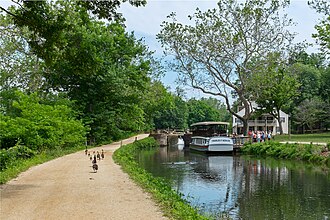
The Grand Canal is a manmade waterway created to link Dublin with inland trade routes. Building and operating a canal required a network of locks, and each lock commonly had a small lockhouse where the lock-keeper lived and worked. These buildings were functional: they stored equipment, provided shelter, and kept a presence at points where water levels and boat movements had to be watched closely.
Social life around the canal was shaped by trade, labour and modest home life rather than grand estates. Families associated with lockhouses often stayed for generations and the houses witnessed accidents, illnesses and the ordinary hardships of working-class Dublin. Those social facts form the documented backbone for many later stories, and they are distinct from supernatural claims: a lockhouse’s history can be confirmed through property records, census returns and local archives, while apparitions usually do not appear in those primary records.
Notable lockhouses and the stories attached to them
There are several stretches of the Grand Canal where lockhouses and bridges cluster; some of these spots are more frequently mentioned in local tales. Common locations named in oral accounts include areas near Grand Canal Dock, the Portobello stretch, and sections west toward Richmond/Harold’s Cross—places where the canal meets busy roads, long footpaths and older neighbourhoods.
Folkloric claims often feature a handful of recurring image-types: a solitary figure in old-fashioned clothing on the towpath, a light moving along the canal at night, or a silhouette standing on a lock gate. These claims are predominantly oral in origin and spread by word of mouth, pub conversation and contemporary social media. Legends sometimes accumulate details—names, motives, tragedy—that cannot be corroborated in documentary sources. Where a claim can be checked against historic records, it usually reveals a different, prosaic backstory: a family who once lived in a lockhouse, a recorded drowning at a nearby bridge, or a long-ago repair that left a structure disused.
Documented history and folklore can coexist: a lockhouse might indeed have been the scene of a fatal accident, which is a historical fact, while the idea that the same occupant now appears at dusk is folklore. When reading accounts, look for that split. For complementary eerie walks and how legends cluster in other Dublin neighbourhoods, see our Phibsborough Eerie Lanes Night Walk and the Iveagh Gardens Dusk Apparitions guide.
Eyewitness accounts and local testimony
Reports of apparitions around the Grand Canal come from a variety of sources: long-term residents, cyclists and walkers on the towpath, late-night passersby, and the occasional urban explorer. Many reports are brief and consistent: a person glimpsed at a lock who vanishes when approached, recurring lights along the water, or an old-fashioned silhouette by a particular house.
How these reports are collected influences their reliability. Oral testimony grows and changes in the retelling; details may be added to make a story more dramatic. Social media can amplify isolated experiences into perceived patterns even where there are none. That said, independent corroboration—multiple witnesses describing the same oddity at the same place and time—does add weight, even if it does not prove a supernatural cause.
Common patterns in reports: sightings usually occur at dusk or at night; they often involve peripheral vision rather than full frontal encounters; and they frequently coincide with other sensory impressions—sudden chill, the smell of smoke, or the sound of footsteps when no one is present. These repeated elements are useful for investigators because they hint at natural mechanisms that produce consistent experiences.
Natural and mundane explanations
Many phenomena associated with so‑called apparitions have straightforward, non-supernatural explanations. The canal environment amplifies sounds: water lapping, bridge joints, distant trains, and traffic can produce noises that take on human qualities in the quiet of the evening.
Light plays tricks on the eye along a canal. Streetlights, passing cars, reflections on rippling water and the glow of bicycles can create moving points of light that appear animate. Structural features—old windows, gate posts and the shapes of lock gates—can present familiar human outlines in poor light, a psychological effect called pareidolia.
Human factors are also important. Fatigue, low light levels and expectation (walking a location known for ghosts) predispose people to misidentify ordinary stimuli. Alcohol and group dynamics can reinforce a perception: one person suggests an apparition and others begin to see it too. Finally, environmental conditions—cold, wind and humidity—can produce physical sensations commonly attributed to the supernatural.
Visitor guide: where to go and how to prepare
Public towpaths and open bridges are the best places to observe canal life and to search responsibly for the well-known lockhouse spots. Stick to well-lit, legal access routes and avoid entering private property or fenced-off buildings. Towpaths close to Grand Canal Dock and the Portobello area are popular and relatively safe during daylight.
Safety considerations: wear sturdy footwear, bring a torch when walking at dusk, and travel in pairs or small groups. Keep to official paths—canal banks can be slippery and water depths vary. If you intend to photograph at night, use a tripod, shoot long exposures to capture atmospheric light, and review your camera settings so you don’t inadvertently create motion blur that might be mistaken for something mysterious.
Best times: twilight provides atmosphere and retains enough light for safe walking; after dark is when most sightings are reported, but it is also when risks increase. If your interest is both historical and atmospheric, consider a guided evening walk rather than solo night explorations.
How to experience the lockhouse hauntings responsibly
A guided Ghost Tour Dublin Experience blends historical context with local stories and offers practical safety and etiquette that solo visits lack. Our guides distinguish documented history from folklore, point out features of the canal environment that create illusions, and collect stories from local residents so visitors hear both the tales and the facts behind them.
On tour you’ll learn where legends link logically to real events and where they are purely imaginative. For visitors seeking more haunted routes, our other walks—like St Kevin’s Churchyard Ghosts and explorations of Unmarked Memorials—offer different blends of documented history and legend. For maritime-themed spectres, consider Howth Cliffside Spectres to compare coastal and canal legends.
Book a Ghost Tour Dublin Experience to explore the Grand Canal’s haunted lockhouses with an expert guide. For private groups and bespoke evening walks, contact us for tailored itineraries and exclusive bookings at our private groups page.
FAQ
Are the Grand Canal lockhouses open to the public or are they private property?
Many lockhouses along the Grand Canal are now private residences or in mixed use; they are not generally open to the public. Public access is usually limited to towpaths and nearby bridges. Always respect private property signs and local access restrictions—walking the official towpath is the safest legal option.
Have any of the lockhouse apparitions been documented by historians or primary records?
Historians can document events tied to lockhouses—occupancy, accidents, ownership changes—through records. Apparitions themselves do not appear in primary historical records. When an apparition claim references a real event, careful research can often separate the documented fact from the later supernatural interpretation.
Is it safe to visit the canal at dusk or at night to look for apparitions?
Dusk can be safe if you prepare properly—go in a group, wear reflective clothing, bring a torch, and stick to well-known paths. Night visits carry higher risks (slippery banks, poorer visibility, less foot traffic) so guided tours are recommended for those who want an atmospheric experience after dark.
Can I join a guided tour that focuses on the Grand Canal lockhouses and their ghost stories?
Yes. Ghost Tour Dublin Experience offers guided walks that include the Grand Canal’s lockhouse stories and place them in historical context. Book online to reserve a spot, or enquire about private tours for groups and bespoke itineraries.