
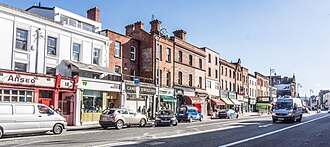
Camden Street lodging-house phantoms: a walking guide to history and hauntings
Camden Street is a busy, layered stretch of Dublin where Georgian and Victorian townhouses, shopfronts and later infill buildings sit cheek by jowl. In the 19th and early 20th centuries it hosted numerous lodgings and rooming houses — short‑term accommodation for servants, tradespeople and migrants. Those lodging houses have left a quieter trace than grand townhouses: a pattern of doorways, narrow stair cores, basement rooms and an abundance of stories. This guide pairs what surviving records and the built fabric tell us with the phantom tales locals tell, so you can walk Camden Street informed and curious.
Introduction: Camden Street in context — why lodging houses mattered
Book a Haunted Ghost Tour Dublin walking tour to explore Camden Street’s lodging-house phantoms and learn the real history behind the stories: Book a Haunted Ghost Tour Dublin walking tour to explore Camden Street’s lodging-house phantoms and learn the real history behind the stories.
Lodging houses on record: what archives, newspapers and maps actually show
Documented evidence for lodging houses on Camden Street comes from a mix of city rate books, trade directories, contemporary newspapers and historic maps. These sources typically record property use (a house, a shop, a lodging house), the names of proprietors and occasional public notices. They show clustering of small lodgings rather than large hotels: multiple households or single‑room occupancies within terraced buildings, often with a separate basement or attic level in use.
Archival material is careful about occupancy patterns but sparse on personal details. Newspapers tended to report incidents — fires, police raids, suicides or disputes — not the everyday lives of residents. What is well documented is the social role of lodgings: affordable, transient accommodation close to workplaces and transport, important for labor mobility, and sometimes associated with precarious living conditions.
Folklore vs. fact: how and why phantom stories grow around lodging houses
Phantoms and ghost stories accumulate where social ambiguity meets architectural anonymity. Lodging houses were places where people passed through, where relatives and employers rarely visited, and where deaths and disappearances could happen unnoticed. Over time, sparse facts — a newspaper notice of a tragic death, a boarded window — can be retold as a personal haunting.
To assess claims: ask whether a story cites an identifiable event or a documented source; check whether the place name and period match contemporary records; and consider how oral retellings may adapt details for dramatic effect. Distinguishing folklore from archival fact doesn’t make the stories less interesting. It helps you appreciate the social history that generated them.
Suggested walking route and observational stops along Camden Street
This short walking route keeps to public pavements and visible façades. Wear comfortable shoes and allow 45–75 minutes depending on stops.
- Start at the junction with Harcourt Road. Look for continuous terraces and note changes in rooflines where older houses meet later infill.
- Pause at former shopfronts: many lodging houses had ground-floor shops added later. Look for narrow doorways beside commercial windows — a common sign of separate lodger entrances.
- Observe basement light wells and low windows — these often indicate cellars converted to rooms, typical of lodging-house plans.
- Notice attic ventilators and small dormers; attics were frequently let to single lodgers.
- Finish near Exchequer Street where the street widens and evidence of larger windows and remodelled façades suggests building reuse.
At each stop, examine building fabric: changes in brick bond, patched masonry, or doorways capped in brick can signal where internal layouts once divided into multiple rooms. Take photos from public areas and note features you want to research further in local archives.
Patterns in reported phantom accounts: common motifs and their likely cultural origins
Reported Camden Street phantoms often follow recurring motifs: footsteps above empty rooms, shadowy figures in stairwells, a woman in period dress on a landing, or a child’s laughter where no child is present. These motifs appear across urban lodging-house lore because they echo the lived experience of transient households — foot traffic, poor sound insulation and thinly separated rooms.
Culturally, the figure of a woman or child often reflects communal anxieties about vulnerability and loss in densely populated areas. Sounds on staircases translate into stories of unseen presences. Interpreting motifs through both social history and folklore studies helps explain why certain images recur without requiring a literal ghost to be present.
Architecture and survival: physical clues that reveal past lodging-house uses
Lodging-house interiors often leave faint external traces. Look for:
- Narrow side doors or secondary entrances for lodgers.
- Lowered shopfronts with evidence of former partitions.
- Stacks of closely spaced chimneys indicating many small hearths or rooms.
- Basement windows partly below pavement level and light wells.
Many buildings have been adapted over decades; sash windows replaced, shopfronts modernised, and basements sealed. But careful observation of mouldings, lintels and roof profiles will reward you with a sense of original layouts. For comparative walks, consider the Georgian North-City Literary Ghost Trail or the accounts of Henrietta Street Georgian-house whispers, which explore how building fabric preserves social histories.
Practical visiting advice: best times, photography, safety and respecting residents
Camden Street is busiest by day and quieter after dark. For architectural observation and safe photography, daytime or early evening are best. Night visits require heightened awareness: traffic can be heavier, some pavements are narrow, and street lighting varies.
Photography from public footpaths is generally permissible, but interiors are private. Do not attempt to enter buildings without explicit permission from residents or owners. If you want to photograph a doorway or courtyard that is behind a gate, seek consent. Be mindful of noise and avoid shining bright lights into windows — many buildings remain lived in.
If you plan a night walk focused on stories and atmosphere, consider joining a licensed guided walk. Our tours manage crowd safety, provide researched context, and ensure you visit responsibly. For organisers, guidance on running safe licensed night tours is available in our Small-Business Guide to Pricing Licensed Night Tours in Dublin.
Where to go next: further reading, local archives and joining a guided tour
For deeper research, consult Dublin city rate books, contemporary newspapers and historic Ordnance Survey maps at local archives. If your interest extends beyond Camden Street, related walking routes and site studies offer context: read about gaslight-era apparitions on Baggot Street in Baggot Street gaslight-era apparitions, or explore institutional echoes at Kilmainham Gaol: Cellblock Echoes and Late‑Hour Tales.
Book a Haunted Ghost Tour Dublin walking tour to explore Camden Street’s lodging-house phantoms and learn the real history behind the stories: Book a Haunted Ghost Tour Dublin walking tour to explore Camden Street’s lodging-house phantoms and learn the real history behind the stories. If you are arranging a private or group visit, we also offer tailored bookings for private groups: Contact us about private group tours in Dublin.
FAQ
Are the Camden Street lodging-house phantoms real or just stories?
Accounts range from personal anecdote to local folklore. Some stories are anchored in documented incidents (reported deaths, fires, police reports) while many are oral traditions that evolved over decades. Evaluating each claim against archival records helps separate documented events from later embellishment.
Can I safely visit these sites at night and photograph them?
Yes, but with caution. Camden Street is accessible at night; however, narrow pavements, traffic and variable lighting mean you should prioritise safety. Photograph from public areas, avoid obstructing walkways and be respectful of residents’ privacy — do not shine lights into windows or enter private spaces without permission.
Are the buildings private property and can I enter former lodging houses?
Most buildings on Camden Street are private property or mixed residential/commercial. You cannot enter without the owner or resident’s consent. Many former lodging houses have been converted; if you seek a guided interior visit, arrange it through licensed tour operators or contact property owners directly.
Do Haunted Ghost Tour Dublin tours specifically cover Camden Street lodging-house stories?
Our routes include themed walks that explore lodging-house histories and reported phantoms in central Dublin. The specific coverage varies by tour and season. Visit our tours page to view current offerings and book: https://www.ghosttourdublin.com/tours/. For private group arrangements, see https://www.ghosttourdublin.com/group-tours-dublin/.