
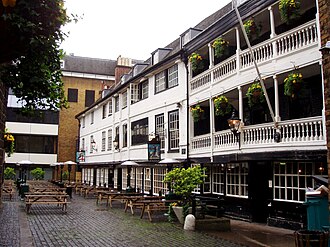
Dublin’s coaching inns once stitched the city into a network of roads, markets and conversation: stagecoaches, mail coaches and private carriages arrived and departed from tucked-away yards and tavern doors, while travellers, traders and locals mixed under low beams and in candle-lit parlours. Many of those inns survive today as pubs or repurposed buildings; others leave only footprints in maps and licenses. This guide walks the line between archive-backed history and the ghost stories that grow around these places, and shows how visitors can experience them safely on a Haunted Ghost Tour Dublin pub walk.
Ready to join a Haunted Ghost Tour Dublin walking tour that visits coaching-inn sites and hears both the facts and the folklore? Book a public walk at https://www.ghosttourdublin.com/tours/.
Why coaching inns mattered: Dublin’s transport, social life and the rise of the coaching inn
Coaching inns were a transport and social infrastructure before rail and widespread private motoring. They offered stabling and carriage handling as well as beds and meals; they were places to post letters, hire horses, debate politics and exchange news. In any growing commercial city, those functions made inns nodes of movement and information.
Documented evidence for Dublin’s coaching network appears in contemporary trade directories, licensing registers, ordnance survey maps and newspaper notices. These records show inns clustered by the principal routes leaving the city — west toward the west coast, north toward the ports, and south to market towns. The urban pattern is still legible in street names, former yard-entrances and narrow alleys where coaches once turned and horses were watered.
What survives today: reading coaching-inn traces in pubs and buildings
Not every surviving pub is visibly a former coaching inn, but there are architectural and urban clues to look for. A narrow arched gateway or a carriage arch through a building often marks an entrance to a former coach yard. Low, heavily timbered ground floors, long internal corridors, stable-exhaust vents and separate delivery entrances are other tell-tale signs. On the street, you might see a former coaching route preserved as an unusually wide lane or a grouping of buildings oriented to accommodate turning carriages.
Surviving inns have been refitted many times; Victorian plate-glass fronts, nineteenth-century signage and twentieth-century interiors all layer over older structures. To identify coaching-inn fabric, look for reused heavy timbers, thick stone walls and evidence of stable spaces at basement or yard level.
Fact vs folklore: separating archival evidence from local legend
When researching “Historic Dublin coaching inns with ghost stories,” it’s important to separate three categories of information:
- Documented history: what appears in primary sources such as deeds, licensing registers, trade directories, newspapers and court records. These tell us who ran an inn, the services it offered and when it occupied a particular address.
- Oral folklore: traditional stories passed between locals and visitors. These can be decades-old and reveal how communities remember a place, but they are not proof of historical events.
- Legend and embellishment: later inventions or dramatic retellings—often for tourism or entertainment—that add details unsupported by archival evidence.
A careful walking guide flags which is which. We point to deeds and directories where they exist; we note oral reports of sightings and when a tale first appears in guidebooks or newspapers. That way you can appreciate the atmosphere without mistaking story for record.
Case studies & ghost narratives
Below are three coaching-inn sites in Dublin. Each entry is clearly split into “Documented history” and “Local folklore or legend” so you can tell the difference as you walk.
1. The Brazen Head area (Bridge Street)
Documented history: The Brazen Head sits where Bridge Street meets traffic routes out of the medieval city. Archival material — licensing records and contemporary newspaper references — show a longstanding public house and coaching-related activity at this riverside approach to the city. Physical features in the immediate area, including narrow lanes and former stable yards, match the functions recorded in historical directories.
Local folklore and legend: The Brazen Head is rich in tale: stories of a lingering spectre, unexplained footsteps and a cold presence in upper rooms circulate among locals and some visitors. These reports exist as oral testimony and popular press stories rather than in court or property records; they form part of the pub’s living folklore. On walking tours you will hear these tales presented as local lore, not as archival fact.
2. Smithfield and its coaching-inn sites
Documented history: Smithfield’s identity as a horse market and assembly space is visible in historic maps and commercial notices. The square and its surrounding streets hosted inns and yards serving traffic on the northwest approaches to Dublin. Licensing lists and market records indicate coaching-related services clustered around Smithfield in earlier centuries.
Local folklore and legend: Smithfield after dark attracts stories of apparitions and strange lights linked to the area’s market and past public executions. These narratives have been collected in eyewitness accounts and local storytelling; for a focused look at Smithfield’s after-dark sightings and how guides interpret them, see our feature on Smithfield Square After-Dark Apparitions.
3. Moore Street and the north-inner-city market quarter
Documented history: The Moore Street area sits beside long-standing market routes and public thoroughfares. Trade directories, maps and market licences record taverns and inns that served traders and coach passengers moving goods into the city. Building footprints and narrow service alleys preserve the logistics of market traffic.
Local folklore and legend: Moore Street’s night-market atmosphere has spawned ghost stories of vendors and watchers who linger after closing time. These tales are part of the neighbourhood’s oral history and contemporary storytelling; for more on how market life and legend meet, see Moore Street Night-Market Ghost Stories.
A walking itinerary: an after-dark route for coaching-inn sites
Route summary: an accessible loop starting near the river, passing Bridge Street and The Brazen Head area, moving north-west to Smithfield, then east toward Moore Street. Total walking time (without stops) is about 40–60 minutes; allow 90–120 minutes with storytelling stops and pub time. The route works best after dusk for atmosphere but is also rich in daylight.
Timing and pacing: begin no earlier than just after sunset to catch the dusk light on old facades. Move between sites in short stages, allowing 10–20 minutes at each stop for explanation and questions. Avoid rushing: the aim is to read the urban fabric and hear both archival facts and folklore in context.
Safety and accessibility: many of these streets are cobbled or uneven. Wear comfortable footwear and bring a warm layer; some yards have limited lighting. Check with your guide or host about wheelchair access in advance — some historic buildings may not have step-free entry, although exterior interpretation remains accessible. For broader dusk-walk options and terrain to consider, see our St Anne’s Park dusk trail note at St Anne’s Park at Dusk.
Responsible visiting
Pub etiquette: these are still working pubs and neighbourhood spaces. Order food or drinks when you linger; respect staff and other customers; keep volumes moderate if you are with a group. Photographs are usually fine in public areas, but always ask before photographing staff or private rooms.
Guided interpretation and sensitive history: on Haunted Ghost Tour Dublin walks guides distinguish documented records from story and treat sensitive subjects with care. When ghost stories touch on real tragedies, guides explain the evidence and context rather than sensationalising events.
Operator considerations: for operators and group organisers, practical concerns such as liability, crowd management and local permissions are real. We recommend consulting sector guidance before leading night tours; a useful overview is our piece on Insurance & Liability Basics for Dublin Night‑Tour Operators.
How to join a Haunted Ghost Tour Dublin walking tour
To join a public Haunted Ghost Tour Dublin tour that includes coaching-inn sites and the stories that surround them, book online at https://www.ghosttourdublin.com/tours/. Public walks run on scheduled evenings and combine archival notes with atmospheric storytelling.
If you are organising a private group that wants a focus on coaching-inn history, architectural features, or a more measured interpretation of folklore, we offer tailored group tours. Contact us for private bookings and group rates at https://www.ghosttourdublin.com/group-tours-dublin/.
FAQ
Are the ghost stories at these coaching-inn sites based on verifiable records?
Short answer: not usually. Most ghost stories are oral tradition or later retellings. Where an event is historically documented, guides will make that clear by referring to archival sources such as licensing registers, newspaper notices or court records. When a story lacks documentary backing, it will be presented as folklore or local legend.
Can I visit the former coaching-inn buildings during the day, and are the pubs open to non-tourists?
Yes. Many former coaching inns operate as public houses and welcome visitors. Daytime visits are often less atmospheric but offer a clearer view of architectural features. Always check opening hours and be respectful of private rooms and functions.
Are these walks suitable for children or people who are sensitive to spooky stories?
Our standard public walks include atmospheric storytelling but avoid graphic detail. Families with young children or visitors sensitive to spooky themes should check the tour description before booking or request a milder focus when booking private groups.
How can I book a private group tour that focuses on coaching-inn history and hauntings?
Private groups can request a bespoke walk emphasising architectural and archival history or a more theatrical folklore-led experience. For private-booking details and availability, please visit https://www.ghosttourdublin.com/group-tours-dublin/ and contact our bookings team.