
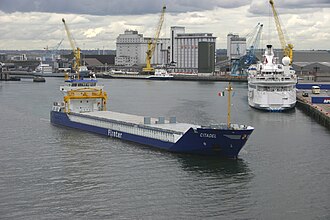
Ferry Terminal Phantoms: Dockworkers’ Tales Around Dublin’s Slips
Where river, tide and industry meet, stories gather. Dublin’s ferry terminals and slips—places of hard labour, sudden weather and nightly comings-and-goings—have become settings for tales that blur workplace memory and the supernatural. In the margins of the archival record you’ll find oral traditions that speak of lost men, phantom footsteps on gangways, and the sound of long-ago foghorns cutting through dawn mist. This article pairs documented maritime and labour history with the dockworkers’ ghost stories that grew around it, clearly flagging what archival evidence supports and what belongs to folklore, and it points you to sites and guided night-walk options to experience the atmosphere for yourself.
Book a guided Ferry Terminal Phantoms night walk with Ghost Tour Dublin Experience
Why Dublin’s Slips Breed Stories
The waterfront is a liminal place: arrival and departure, loading and waiting, danger and routine intersect. Slips and ferry terminals were noisy, often chaotic workplaces where poor lighting, heavy weather and the constant movement of vessels made accidents common. That precariousness helps explain why the docks are a focus for ghost stories—communities use tales to remember the missing, to warn the young, and to explain the sometimes inexplicable sounds and sensations of working lives near water.
The Historical Context: Dublin’s Ferry Terminals and Dock Labour (18th–20th centuries)
Documented history shows Dublin’s waterfront developed over centuries to support shipping, ferries and cargo handling. From small ferry slips serving local crossings to larger passenger piers and the industrial docks of Dublin Port, the area evolved with changing ships and technologies. Labour was manual and dangerous: roped cargo, shifting bales and operating alongside moving vessels. Records, newspapers and municipal reports from the 18th to the 20th centuries note workplace injuries, drownings and the ever-present risk posed by tides and changing quays.
Major changes—land reclamation projects, construction of the Great South Wall and later port modernisation—altered the physical landscape and the employment patterns. Those changes sometimes erased older landmarks while leaving stories behind.
Dockworkers’ Oral Traditions vs. Archival Record
Oral tradition circulates within families and among crews. These stories often memorialise real events—accidents, missing colleagues or sudden storms—while adding narrative detail over time. Where contemporary records confirm occurrences (for example, reports of workplace fatalities or drownings), we treat those as documented facts. Where no record exists, or where a tale includes impossible details, we label it folklore or legend.
That distinction matters. Folklore performs social functions—mourning, moral instruction, local identity—while archival evidence anchors our understanding of how dangerous and formative dock work actually was. Both are valuable: one for emotional truth, the other for factual history.
Notable Sites and Their Tales
Dublin Port / North Wall
Visitor note: The North Wall area offers views across working berths and container terminals. Much of the active port is restricted—observe signage and stay in public viewing areas.
Tales: Locals speak of a “watchman” who appears on foggy nights to guide unseen boats. This is best understood as oral tradition—atmospheric anecdote rather than documented incident.
Sir John Rogerson’s Quay
Visitor note: A riverside promenade with restaurants, but also a history of heavy-lift quays and small industrial yards. Public access along the quay is good; exercise caution near the water’s edge.
Tales: Stories of a lone figure pacing the quay at low tide are common in oral accounts. There are documented reports across decades of accidents on various quays, but the specific “pacing figure” is folklore layered onto the real history of workplace loss.
Poolbeg and the Great South Wall approaches
Visitor note: The Great South Wall and Poolbeg offer dramatic views and a strong sense of exposure to the sea. The walkway is public but can be windy and slippery—dress accordingly.
Tales: The wall has inspired stories of voices carried out on the wind and the sense of someone walking behind you on the stone causeway. These accounts are oral history—shared experiences rather than incidents recorded in official files.
Dún Laoghaire Pier and Ferry Slip
Visitor note: Dún Laoghaire pier is one of the best-preserved public piers for visitors; it sees regular walkers and boat traffic. Access to the end of the pier is public but always watch the weather.
Tales: Ferry crews and locals report seeing a “man in oilskins” near the slip on stormy nights. Some references to drownings and accidents in the area appear in historical records; the apparition narratives are part of local oral tradition that commemorates those losses.
Howth Harbour
Visitor note: Howth retains a working fishing harbour beside public promenades. It’s easily reached by DART and makes a pleasant day or evening visit.
Tales: Fishermen’s stories of lights bobbing where no boat should be belong to seafaring folklore common across coastal communities. They reflect the real hazards of night work at sea rather than archival proof of supernatural events.
Signature Ghost Accounts: What Locals Say
Across the docks you’ll hear a small set of recurring motifs: phantom footsteps and boots, unseen tug whistles, a lone figure watching the tide, or a voice calling a name across the water. These are oral-history accounts—stories reused and reshaped in pubs, on shifts and in family kitchens.
Where contemporary records exist they commonly confirm accidents, drownings and missing-person reports that could anchor such stories. In many other instances there is no archival trace—and that absence is not evidence against the social importance of the tale. It simply means a story lives in memory and community practice rather than in official files.
Self-Guided Route and Practical Tips
Compact route: Start at Dún Laoghaire pier at dusk for an atmospheric beginning, then travel by DART into the city to walk Sir John Rogerson’s Quay and the North Wall viewing points. Finish with an evening stroll along the Poolbeg approaches if time and weather permit. For a quieter coastal alternative, begin in Howth and return by DART.
Best times: Twilight and early night are where atmosphere meets safety—enough light to move confidently but late enough for the city and water to feel quiet. Avoid high tides and storm alerts.
Safety and access: Stay in public areas; obey signage and do not enter working yards or fenced berths. Wear sturdy shoes, warm/waterproof clothing, and carry a torch. Respect working crews and do not disrupt operations.
Photography tips: Long exposures capture water movement and foggy lights. Use a tripod and be mindful of tides and slippery surfaces. Night shots often benefit from a low ISO and slower shutter speeds.
Guided Experiences and What to Expect
A guided night walk offers context you won’t get alone: local labour history, the social meaning behind the tales, and the ability to separate documented incidents from embellishment. Guides can point out archival records, where available, and lean on oral histories told by dock communities. Some tours also have established relationships that allow safe and respectful vantage points near busy areas you might not find on your own.
Typical format: 1.5–2 hours, small groups, a mix of promenade and slip-side viewing points (with no illegal access to restricted areas). Expect storytelling woven with maritime and labour history, and time to ask questions.
Respectful Visiting and Preservation
Remember that docks are working places and living communities. Many tales originate with people who actually worked these spaces—treat those memories with respect. Don’t cross barriers, don’t climb fences, and never obstruct operations. If you encounter workers, be courteous and mindful of their privacy.
Responsible visiting also means supporting preservation: learn the real histories, share stories ethically, and if a site has restricted access, respect that boundary. For related walks that explore abandoned industry and echoes of labour, you might also be interested in the Tolka River Mills Ghost Trail — Abandoned Industry and Eerie Echoes or our pieces on Theatre Ghost Stories in 19th‑Century Dublin Playhouses for how urban work and performance each generate their own legends.
Book a guided Ferry Terminal Phantoms night walk with Ghost Tour Dublin Experience
For private groups or bespoke bookings—corporate evenings, school groups or family events—please contact our private groups page: Book a guided Ferry Terminal Phantoms night walk with Ghost Tour Dublin Experience (private bookings available on request).
FAQ
Are the dockworkers’ ghost stories true or just legends?
Short answer: both. Many stories are oral traditions that grew from real workplace hardships—accidents, drownings and sudden storms—that are documented in various records. Other details are embellishments or community folklore that carry emotional truth rather than archival proof. Each tale is best read with an eye for what we can confirm and what functions as memory or myth.
Can I safely visit Dublin’s ferry terminals at night?
You can visit many waterfront promenades after dark, but safety depends on location and conditions. Stick to public walkways, check tides and weather, dress for cold and wind, use a torch, and avoid confirmed restricted or active working areas. Guided walks offer an extra layer of safety and context.
Which spots are public and which are restricted around the docks?
Public promenades and piers—such as Dún Laoghaire pier and parts of Sir John Rogerson’s Quay—are generally accessible. Active port berths, fenced container terminals and private yards are restricted. Always follow local signage and instructions from port authorities or guides.
Do you offer guided walks that focus on these dockside tales?
Yes. Ghost Tour Dublin Experience runs night walks that blend maritime labour history with dockside stories, helping visitors distinguish documented events from folklore while experiencing the atmosphere of the slips. Book a guided Ferry Terminal Phantoms night walk with Ghost Tour Dublin Experience.