
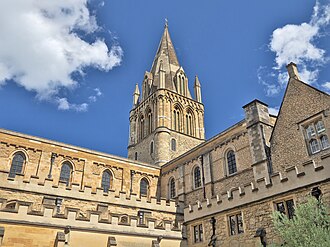
Christ Church Cathedral Precinct Ghost Stories — History, Legend & Tour Guide
The stone lanes that gather around Christ Church Cathedral in Dublin feel like a hinge between eras: visible masonry and vaulted crypts sit beside narrow alleys that keep older tales. That proximity of verifiable architecture and layered oral history is why the precinct attracts ghost stories—some born from real events and buildings, others grown in the whispering dark. This guide separates documented fact from folklore, suggests a practical walking route, and explains how a Ghost Tour Dublin Experience frames these stories for visitors.
Why the Christ Church precinct draws ghost stories
The precinct’s combination of medieval structures, a venerable cathedral, a deep crypt, and a long history of civic and religious life creates the right conditions for ghost stories. Stone architecture and candlelit interiors amplify atmosphere; burial sites, records of past tragedies, and changes in the urban fabric provide hooks for narrative. Dubliners have told and retold these stories for generations, adapting them to new listeners and new contexts.
Documented history you can verify today
Documented history means the things you can see, touch, or verify through records: the cathedral’s stone fabric, the layout of the medieval precinct, and surviving civic monuments. The building as it appears now reflects multiple phases of construction and restoration. Look for heavy stone arches, the public face toward the street, and the precinct boundaries that once separated clerical life from the city.
Physical features that are reliably documented include the cathedral exterior, the enclosed precinct lanes, and an accessible crypt area used for interpretation and displays. Architectural features and burial practices are recorded in public archives and architectural surveys; local record offices and on-site signage will confirm what is architectural fact rather than tale.
Common ghost stories and legends tied to the precinct (folklore)
(Marked clearly as folklore) Many well-known tales belong to oral tradition rather than to the archival record. These include stories of solitary figures seen in the nave late at night, phantom processions in the precinct lanes, and the lament of a long-dead cleric heard near the crypt. Other popular motifs are lost children, spectral candles moving through the cloisters, and a mournful bell that tolls for no living hand.
Folklore also attaches dramatic narratives to specific spots: apparitions said to appear on stairways, or watchful shapes in the archways that match medieval punishments or executions in the city’s past. These stories are valuable as cultural memory—reflecting fears, beliefs, and social history—but they are not the same as documented events.
How historians and archivists assess these claims: what to trust and what to question
Professional historians and archivists separate three layers: tangible records (documents, maps, physical fabric), contemporaneous accounts (newspapers, legal records), and later oral tradition. A whispered apparition with no corroborating contemporary report belongs to the latter category. When multiple, independent nineteenth- or twentieth-century sources describe the same event close to the time it allegedly happened, the claim gains credibility.
Questions to ask when you hear a ghost story: Is there a primary source? Does the story appear in contemporary records, or does it emerge in later guidebooks and oral recollection? Could changes in the built environment explain a mysterious sound or sight? Archivists will point you to parish registers, civic minutes, and maps to verify civic events; archaeologists and conservationists can explain structural oddities that inspire legends.
A practical walking route for visitors: key stops in the precinct and what to listen for
This route is designed for on-foot visitors and works well as an evening stroll. Keep paragraphs short, leave space to absorb the site, and observe the cathedral’s rules.
Start at the main façade and take in the scale and sightlines—good for discussing documented architecture. Move into the precinct lanes to listen for echoes of market and civic life; these alleys are where folklore often places nocturnal sightings. Pause at the entrance to the crypt area (exterior interpretation panels will often be present) to discuss burial practice and why crypts attract ghost stories.
Include a stop at a narrow stair or archway where acoustics change; guides use such spots to demonstrate how sound and shadow can create misperceptions. Conclude near a softly lit square or bench to share a well-known tale and then a documented event that explains part of that tale, showing how history and legend intertwine.
Visiting information and tour logistics: best times, ticketing, accessibility and photography etiquette
Evening tours are the most atmospheric for ghost stories, but daytime visits offer clearer access to architectural details and displays. Book in advance for guided walks—slots can be limited during peak seasons. Ticketing for the cathedral itself and for guided experiences may be separate; check official channels for current arrangements before you go.
Accessibility varies across the precinct: the lanes are historic and can include uneven paving, steps, and narrow passages. If mobility access is essential, contact tour providers in advance so they can advise on route options. Respect signage inside the cathedral and crypt—some areas restrict photography or have rules about flash lighting to protect artefacts and the experience of other visitors.
Photography etiquette: be mindful of services, private ceremonies, and other visitors. Many ghost stories are best appreciated live and in place, so consider leaving long-exposure tripod setups at home unless permitted by staff.
How Ghost Tour Dublin Experience interprets these stories on a guided walk — respectful, engaging, and historically grounded
On a Ghost Tour Dublin Experience of the Christ Church precinct, guides clearly label which elements are documented history and which are folklore. We draw a line between what archival records show and what oral traditions say. The aim is atmospheric storytelling that never misrepresents evidence: evocative language is balanced with citation of what can be checked in records or on the building itself.
Our approach includes sensory techniques to evoke past environments responsibly—soundscapes and references to smells are used to situate visitors without claiming supernatural proof. See our piece on Using Sound & Smell to Evoke Dublin’s Dark Past for more on how we build atmosphere without inventing history: Using Sound & Smell to Evoke Dublin’s Dark Past.
We also place precinct tales in a wider urban context, referencing maritime and market narratives that shaped Dublin’s folklore—if you enjoy coastal hauntings or merchant curses, you might also read about Shipyard Apparitions Around Dublin Bay and Victorian Market Squares of Dublin: Shipyard Apparitions Around Dublin Bay and Victorian Market Squares of Dublin.
Where to learn more locally: visitor centres, archives and recommended responsible reading
For verifiable research, visit local archives, the cathedral’s own displays, and municipal record rooms. Local visitor centres can point to primary-source collections and guided interpretation. If you are interested in ritual boundaries and folklore across the city, see our overview of Cursing Stones & Boundary Markers on Dublin’s Edges. For those working on public history projects or community heritage initiatives, our guide on How to Get Arts & Heritage Grants in Dublin for Dark‑History Projects may be useful: Cursing Stones & Boundary Markers on Dublin’s Edges and How to Get Arts & Heritage Grants in Dublin for Dark‑History Projects.
If you are arranging a private group visit, please contact us to tailor an itinerary and timing that suits your party: Private and group bookings — Ghost Tour Dublin Experience.
Final notes on respect and responsible curiosity
Ghost stories are part of the intangible heritage of the precinct. They are meaningful as expressions of place attachment, collective memory, and local identity. Whether you come for the architecture, the history, or the tales that keep changing with each retelling, approach the precinct with curiosity and respect for the living community and for the historic fabric that sustains these stories.
FAQ
Are the Christ Church Cathedral ghost stories true?
Some elements of the stories are rooted in documented events or in features of the building; many details belong to oral tradition and cannot be confirmed. Treat the tales as cultural narratives: valuable for what they reveal about beliefs and memory, not always reliable as historical fact.
Can I visit the precinct at night without a tour?
Public access to the precinct varies with local regulations and cathedral opening hours. Some lanes may be open after dark, but guided tours provide context, safety, and access to the best viewpoints. If you plan an independent evening visit, check local signage and respect private properties and the cathedral’s rules.
Is the cathedral crypt or other interior spaces open to tourists?
Crypt and interior access often depend on the cathedral’s visitor policies, services, and conservation needs. Many crypts offer interpretive displays and guided entry at set times; others close for special events. Confirm current access with official channels before your visit.
Is the Ghost Tour Dublin Experience suitable for families or only adults?
Ghost Tour Dublin Experience welcomes a broad audience. Some stories are atmospheric rather than frightening; however, content and timing may be better suited to older children. Check specific tour descriptions and book accordingly—private tours can be adapted for family groups.