
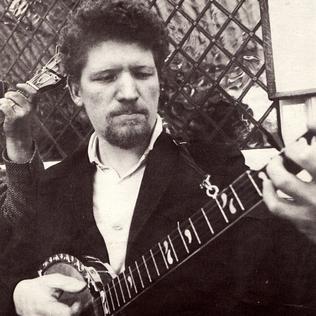
Dublin’s streets carry more than Georgian facades and pub neon: they carry songs. From low-voiced laments that suggest a shadowed past to rowdy harbour shanties and intimate ballads sung by candlelight, Dublin’s ghost-song and folk ballad traditions are living layers of the city’s social memory. This guide helps visitors trace those layers—what is documented, what grew into folklore, and where you can hear these songs on evening walks, in pubs, and at curated performances.
1. Introduction: What are ‘ghost-songs’ and why Dublin’s ballad tradition matters to visitors
“Ghost-song” is a convenient phrase used by singers, guides, and folklorists to describe ballads that deal with hauntings, restless spirits, or the eerie consequences of loss and violence. In Dublin, the label often overlaps with mournful laments, murder ballads and sea-songs that evoke the city’s docklands, tenements and churches.
For visitors, these songs offer more than atmosphere: they provide a way to hear Dubliners contemplate mortality, migration and memory. Listening to a ballad on a street corner or in a dimly lit pub connects you to an oral tradition that has adapted as the city changed.
Book an evening Ghost Tour Dublin Experience to hear Dublin ballads and haunted tales live
2. Roots and history: documented origins of Dublin’s song culture vs later folkloric layers
Documented history: Dublin’s musical life grew from a mixture of urban broadsides, street-balladeers, maritime songs brought by sailors, and the oral transmission of laments and story-songs within working-class neighbourhoods. Written broadsides, early printed song sheets and the archival recordings collected in libraries and sound archives offer tangible evidence of how songs circulated in the city.
Folkloric layers: Over time, these documented forms accreted new verses and local details. Singers adapted older tunes to current events; local storytellers attached supernatural elements to otherwise ordinary tragedies. This layering is typical of living traditions—songs change to reflect the community that sings them.
Legend: At the far end of the spectrum are outright legends: colourful attributions of a song to a specific ghostly incident or celebrity that cannot be corroborated by archival evidence. Distinguishing a well-attested broadsheet or field recording from a later, romanticised origin story is part of the fun for the curious listener.
3. Common themes and motifs in ghost-songs and ballads you’ll hear in Dublin
Lament: Keening and laments—songs of grief and loss—are common. They often speak directly to the departed and can be spare or richly lyrical.
Lost lovers and betrayal: Many ballads revolve around vanished lovers, betrayal, and the resulting curse or death. These stories can be personal or symbolic of wider social ruptures.
Unrested dead and hauntings: Songs that describe apparitions, bodies found in rivers or harbours, and the uneasy dead who return to warn or accuse the living are frequent. Many of these motifs intersect with Dublin’s maritime identity.
Urban landscape as character: Streets, churches, courtyards and harbours are often named and treated as characters within the song—so hearing the song in its setting intensifies its resonance.
4. Notable examples and how to verify origins
Representative Dublin-associated songs: Some songs have clear Dublin associations or long-standing performance histories in the city. “Molly Malone” is the most famous Dublin ballad and a useful case study because its origins are debated—some see it as a nineteenth-century street-ballad, others a twentieth-century composition given older trappings. The uncertainty around Molly Malone is a good reminder to expect mixed origins.
How to verify a song’s provenance
- Check archival recordings and printed broadsides: Libraries and sound archives preserve early print and audio sources. Evidence of early publication or field recording usually points to a documented origin.
- Compare multiple versions: If many versions share a core narrative and verses cross-reference older collections, that suggests a long oral tradition rather than a single modern invention.
- Ask performers about sources: Many contemporary singers are happy to explain whether a song is a traditional piece, a local composition, or an adaptation.
5. Where to hear them in Dublin: recommended pubs, folk sessions, festivals and museum events
Pubs with regular folk sessions: Dublin’s traditional-music pubs host singers and small sessions where ballads are performed unamplified. Look for listings and arrive early to catch the quieter, narrative songs—you’ll often find players alternating between energetic tunes and slower, haunting ballads.
Festival highlights: Folk festivals occasionally feature thematic evenings devoted to ballads and haunting songs. Festival programmes are advertised seasonally; check local listings when planning travel.
Museum and curated events: Historical houses and museums sometimes organise night-time events combining storytelling with music. These curated performances anchor songs to the objects and places that inspired them.
Guided night tours and living-history walks: Evening walking tours led by local guides pair haunted tales and song excerpts with the locations they reference. For an immersive approach, consider a guided ghost-song experience that combines narrative and live music.
For routes that tie music to city landmarks, consult local guides such as the Haunted sites in the Liberties: An evening walking route and where to join a ghost tour and Lesser-known Bram Stoker Dublin landmarks: A fan’s walking guide for literary and atmospheric points of interest. For coastal ballads and harbour stories, the Dun Laoghaire Harbour Ghost Stories guide is a useful place to start. If you plan to combine tours with visits to ecclesiastical sites, see St Mary’s Pro-Cathedral: Ghost Tales, History & Visitor Guide for context.
6. Evening itinerary: a walk-and-listen route tying songs to haunted locations and storytelling stops
Start near a historic square as dusk falls. Let a guide recount a ballad tied to a local house or lane. Walk toward the river or harbour; maritime ballads and shanties feel at home by the water. Pause in a sheltered nook for a lullaby-style lament; the quiet amplifies the effect.
Move to a traditional-music pub for the second half of the evening. There, you’ll hear the same themes transformed by community—stories of loss become personal, political ballads emerge, and the pub’s history becomes part of the narrative. Finish with a guided stroll through a shadowed district—places like the Liberties host evening tours that combine architecture, ghost-tales and songs.
For a mapped route that includes haunted stops and meeting points, see Haunted sites in the Liberties: An evening walking route and where to join a ghost tour and Lesser-known Bram Stoker Dublin landmarks: A fan’s walking guide.
7. Tips for visitors: etiquette at sessions, ticketing, recording, and supporting local artists
Etiquette
- Keep conversations low during songs—ballads are often conversational and rely on close listening.
- Ask before recording. Many performers welcome respectful audio or photos, but always request permission.
- Tipping and buying a drink or CD supports musicians directly—most sessions are community-led and low-paid.
Ticketing and timing
- Popular venues and festival nights can fill up. Check schedules and book when evening concerts or special tours are advertised.
- For walking tours and curated evening experiences, buy tickets in advance—these often sell out on weekends and during festival periods.
Supporting the tradition
- Buy recordings from performers, attend workshops, and seek out smaller sessions. Your presence helps sustain living tradition.
- If you run a travel or events business, learn about partnership opportunities and ethical monetisation; see How to Monetise Dublin Dark Tours with Affiliate Bookings for ideas on respectful collaboration.
8. Further resources and recommended listening for trip planning
To prepare, listen to field recordings and modern interpretations. Look for compilations from Irish traditional-music archives and recordings by contemporary Dublin singers. Read local guide notes that separate archival evidence from later embellishment—this will deepen your appreciation when you hear the songs live.
Book an evening Ghost Tour Dublin Experience to hear Dublin ballads and haunted tales live
If you’re organising a private group—whether for a club, corporate event or small family gathering—consider a bespoke Ghost Tour Dublin Experience tailored to your party. Private bookings ensure a focused musical and storytelling programme; learn more about private group options and booking details at our private groups page: Book private Ghost Tour Dublin Experience.
FAQ
What is a ghost-song and how is it different from other traditional Irish ballads?
A ghost-song specifically foregrounds themes of hauntings, restless dead, apparitions or an unresolved tragedy that carries supernatural overtones. Other traditional ballads may focus on love, labour, politics or satire without a spectral element. Ghost-songs often overlap with laments and murder ballads and can be part of the broader traditional repertoire.
Can I hear authentic Dublin ballads on a pub crawl or do I need a specialised tour?
You can encounter authentic ballads in pubs, especially during quieter sessions. However, a specialised evening tour or curated performance will intentionally connect songs to place and history, offering context that deepens the experience. Both are valid; each offers different insights.
How can I tell whether a song’s story is historical fact or later folklore?
Ask about sources: performers who know the tradition will distinguish printed broadsides and archival recordings from modern embellishments. Where possible, consult archival repositories or programme notes that cite primary recordings or prints; if a song’s origin is unclear, treat colourful origin stories as folklore unless backed by archival evidence.
Are there family-friendly times or venues to experience these songs in Dublin?
Yes. Many museums and cultural centres run daytime or early-evening family-friendly performances. Some pubs also host early sessions suitable for families. Check event listings and inquire about content—some ghost-songs can be intense, while others are suitable for all ages.