
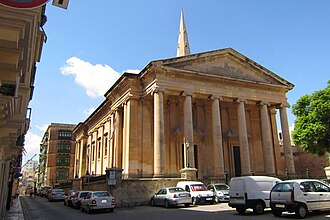
St Mary’s Pro-Cathedral: Ghost Tales, History & Visitor Guide
St Mary’s Pro-Cathedral in central Dublin has a quiet, formal presence that invites speculation: classical facades, pipe-organ echoes and centuries of funerals, ordinations and civic moments make it fertile ground for ghost stories. For visitors interested in the supernatural, St Mary’s sits at the intersection of credible church history and evocative folklore—making it a must-see on any haunted-Dublin itinerary.
Book a Ghost Tour Dublin Experience to explore Dublin’s haunted landmarks — join a guided walk that places St Mary’s Pro-Cathedral in context with other eerie locations across the city.
Introduction: Why St Mary’s Pro-Cathedral draws ghost interest
Two features explain the cathedral’s appeal to ghost hunters. First, as a long-used place of worship and public ceremony, it has been the scene of wrenching human emotion—grief, hope and solemn ritual—that fuels stories of lingering presences. Second, its interiors (vaulted spaces, dark corners, organ lofts and candlelit evening services) create sensory effects—echoes, shifting light and temperature changes—that witnesses sometimes interpret as paranormal activity.
Documented history of St Mary’s Pro-Cathedral
St Mary’s is the principal Roman Catholic church that serves Dublin’s archdiocese in a pro-cathedral role, and it has been closely tied to the city’s religious life for generations. The building’s architecture follows neoclassical lines; inside, the layout, altars and organ reflect its liturgical function.
Historically, St Mary’s has hosted thousands of liturgies, funerals and community events. It has been a focal point for civic and ecclesiastical life in Dublin, often drawing congregations for major religious observances. These documented roles—services, processions and ceremonies—are the established facts that explain why the building occupies a special place in Dubliners’ collective memory.
As a living church, St Mary’s has undergone maintenance, restoration and adaptations over time. The presence of older grave monuments, memorial plaques and long-held parish records contributes to the sense that the building carries layered histories.
Common ghost tales and reported sightings (folklore and eyewitness accounts)
When discussing ghosts it helps to separate what people say has happened from what is verifiable. Below are recurring claims visitors and local storytellers make about St Mary’s—clearly labelled as folklore or eyewitness reports rather than proven fact.
Folklore
Local folklore includes tales of a pale figure seen moving between pews, the whisper of unseen voices during quiet hours, or the organ playing by itself. These stories are often passed between tour groups and in pub conversations, growing more atmospheric with each retelling.
Eyewitness accounts
Some visitors and parishioners describe specific experiences: sudden drops in temperature near older chapels, the sensation of being observed, or unexplained sounds late after services. Eyewitness accounts vary in detail and are typically anecdotal—useful for storytelling and tour narration, but not conclusive evidence.
Weighing the evidence: what’s credible and what’s likely legend
Most reported phenomena around old churches can be explained by natural or human factors. Acoustics create mysterious echoes; drafty HVAC systems and old windows cause temperature shifts; and electrical irregularities can produce unexpected hums or organ noises. Light in low-illumination interiors can play tricks on the eyes, turning coats hung in shadows into figures.
Eyewitness testimony is meaningful as cultural data—these accounts tell us how people experience the place—but they rarely stand up as scientific proof. Where multiple independent witnesses report similar sensations at the same time and place, the accounts become more interesting, but still require careful investigation to rule out mundane causes.
In short: many of the ghost stories at St Mary’s are compelling as folklore and worth hearing on a guided walk, but they should be treated as anecdote rather than documented supernatural fact unless corroborated by rigorous investigation.
How to visit: opening hours, access, best viewpoints and photography tips
Practical visiting information changes with seasons, special services and diocesan schedules. Before you go, check official parish notices or contact the Pro-Cathedral directly. Many churches welcome visitors outside service times, but access can be restricted during liturgies, concerts or private events.
Best viewpoints often include the central nave (for architectural symmetry), a side transept to study altarpieces and the organ loft if access is granted. For atmosphere, arrive shortly before a candlelit evening Mass or a choir rehearsal—these times highlight the building’s mood without trespass.
Photography: be discreet. Flash can disrupt worship and damage sensitive fabrics. If you want interior photos, ask permission at the vestry or from stewards. For low-light shots, a tripod may be restricted—handheld cameras with steady technique or high-ISO settings usually work best.
Practical tour advice: joining guided ghost or history tours, what to expect
Guided tours that include St Mary’s usually blend history with storytelling. Expect a mix of documented facts—architecture, parish history—and folklore. A reputable guide will clearly label what is recorded history and what is anecdote, and will ask you to be respectful of worshippers.
Ghost Tour Dublin Experience and similar operators structure walks so groups move between several nearby sites, using St Mary’s as a historical anchor rather than a late-night stakeout. Tours commonly last 60–90 minutes, include period storytelling and encourage questions.
Bring comfortable shoes—the city center involves cobbles and short climbs—and a small torch for evening sections of a walk. If you prefer a deeper historical focus rather than ghost stories, ask in advance for a history-led route.
Nearby dark-tour stops and ways to combine visits
St Mary’s sits in central Dublin, making it easy to combine with other haunting or literary sites. For seaside ghost stories and coastal atmosphere, consider pairing your visit with Dun Laoghaire; see Dun Laoghaire Harbour Ghost Stories: A Visitor’s Guide to Legends & Where to Explore for practical tips and routes.
Literary enthusiasts may enjoy connecting a St Mary’s stop with Bram Stoker landmarks—our Lesser-known Bram Stoker Dublin landmarks: A fan’s walking guide shows where to weave those visits into a longer walk.
To experience hospital legends and medical-era hauntings, include Rotunda Hospital Ghost Nurses: History, Sightings & How to Visit in your itinerary—it’s an evocative contrast to the cathedral setting. If you prefer an evening walking route through working-class districts with a darker urban folklore, see Haunted sites in the Liberties: An evening walking route and where to join a ghost tour for recommended paths and meetup points.
Visitor etiquette, safety and preserving a historic sacred site
St Mary’s is a functioning house of worship. Respect means quiet footwear, muted voices, and refraining from disruptive behaviour during services. Do not attempt to access restricted areas, and follow any signage about photography, recording or touching memorials.
Safety: mind trip hazards such as thresholds and older flooring, especially in low light. Large groups should stay together and follow a guide’s instructions. Report any hazards you see to staff so they can protect both visitors and the building.
Preservation: do not lean on or remove memorial items, do not light candles outside designated areas, and avoid using sticky notes or tape on historic surfaces. Conscientious visitors help ensure the cathedral remains intact for future generations.
Book a Ghost Tour Dublin Experience to explore Dublin’s haunted landmarks — if you want guided context for St Mary’s tales and a safe, respectful tour through Dublin’s darker stories.
For private groups or special-interest tours—academic visits, media crews, or themed private nights—contact our private bookings at Book a Ghost Tour Dublin Experience to explore Dublin’s haunted landmarks for tailored options and availability.
FAQ
Is St Mary’s Pro-Cathedral actually haunted?
There are many eyewitness reports and rich folklore, but no scientific proof confirms paranormal activity. The site is steeped in history and solemn events, which explains why people tell and experience ghost stories there. Treat the claims as culturally and emotionally significant, but anecdotal rather than established fact.
Can visitors enter the Pro-Cathedral at night to look for ghost activity?
Night access is generally restricted. As a functioning cathedral, St Mary’s is open according to parish schedules and for special events. Unauthorized entry after hours is not permitted; if you want an after-hours experience, arrange a private group visit with a tour operator or the cathedral’s administration.
Are there guided ghost tours that include St Mary’s Pro-Cathedral?
Yes. Several guided walks that explore Dublin’s haunted and historical side include St Mary’s as a stop. These tours combine documented church history with folklore. Book a tour with reputable operators to ensure respectful access and accurate context.
What is the best time of day to visit for atmosphere and photography?
Early morning light and late-afternoon golden hour both offer strong natural light for exterior shots. For interior atmosphere, arrive shortly before an evening Mass or choir rehearsal to experience candlelight and music; always check service times first and ask permission for photography during worship.