
St Michan’s Vaults — Mummies, Myths & Visitor Tips | Ghost Tour Dublin Experience
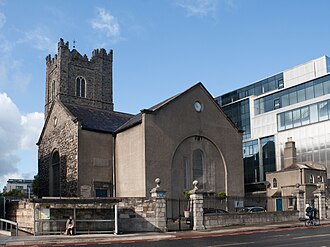
St Michan’s vaults on Church Street are one of Dublin’s most compelling dark-tourism sites: a working parish church above and a set of cold, stone vaults below where human remains lie unusually preserved. Visitors are drawn by a mix of history, human curiosity about mummified remains, and the atmospheric stories guides tell at the entrance to the crypt. This guide separates documented fact from folklore, offers practical tips for visiting, and outlines the best ways to experience the site safely and respectfully.
Book a Ghost Tour Dublin Experience to reserve a spot and combine a visit to St Michan’s Vaults with guided storytelling across Dublin’s dark corners.
Why St Michan’s Vaults attract visitors — history, mystery and Dublin dark tourism
St Michan’s appeals to a broad range of visitors: history enthusiasts, fans of the macabre, and travellers seeking offbeat Dublin experiences. The vaults’ preserved remains offer a tangible, sometimes unsettling, encounter with the past. That atmosphere is amplified by a long tradition of oral stories and modern ghost tours that use the space as a dramatic setting. For many travelers, St Michan’s is both an archaeological curiosity and a sensory experience—cool, dim, and quiet—that invites questions about preservation, identity, and how communities remember their dead.
A short history of St Michan’s Church and the vaults — documented facts
St Michan’s has medieval origins as a parish on Church Street, and the church you see today reflects rebuilding and repairs carried out over centuries. The vaults beneath the nave and aisles were used as family and communal burial places for several centuries. Parish records and architectural surveys show repeated use of these crypts for local burials, particularly among merchants and city families.
What is documented: the vaults are real burial spaces beneath a functioning church; archaeological investigations and conservation reports have recorded human remains and coffin fragments; the church is maintained as a parish and heritage site. What is not documented in scholarly records are many of the more sensational anecdotes that circulate as oral tradition, which are best treated as folklore unless backed by archival evidence.
The mummies explained: who they likely are and how preservation occurred
The remains in St Michan’s vaults are commonly called “mummies” because their soft tissues are unusually well preserved. Scientific explanations for this preservation focus on environmental conditions rather than intentional mummification. The vaults are made of porous limestone with a stable, cool airflow; combined with low humidity in certain chambers, these conditions can desiccate and preserve soft tissue over time.
Who the bodies likely are: many are local burials—merchants, families of means, and individuals associated with the parish—rather than celebrated historical figures. Identities are often uncertain because coffin nameplates and burial registers can be incomplete or lost. Conservators and archaeologists who have observed the vaults stress that the preserved remains are a product of the vault microclimate and burial environment, not embalming in the modern sense.
What is known versus uncertain: it is documented that preserved human remains exist and that environmental factors explain much of the preservation. What is uncertain are precise identities for many of the individuals and the full timeline for when each body was interred without corroborating records. Avoid assuming sensational backstories without evidence.
Myths, legends and reported hauntings — separating folklore from recorded history
Folklore grows quickly around places like St Michan’s. Common myths include claims of ghosts linked to specific mummies, curses, and dramatic supernatural events. These stories make the site compelling for tours and storytelling but should be distinguished from historical documentation.
Reported hauntings are mainly anecdotal: visitors and guides sometimes describe cold spots, unexplained noises, or a sense of being watched. Such accounts are subjective and rarely supported by verifiable documentation. Recorded history—parish records, architectural reports, and conservation notes—does not confirm hauntings. Treat ghost stories as part of Dublin’s living oral tradition rather than as proven fact.
For context and cultural background on Dublin’s storytelling traditions, you may enjoy the collection on Dublin Ghost-Song & Folk Ballad Traditions — Where to Hear Them and related local legend guides that place the vaults in a wider landscape of city folklore.
Planning your visit: opening hours, tickets, guided tours, and accessibility considerations
Opening hours and ticketing details can change seasonally and for special events. Always check the official site or contact the church before you travel. Many visitors find a guided tour valuable: local guides provide historical context, point out conservation details, and offer the stories that make a visit memorable.
Accessibility: the vaults are underground and reached by narrow, often steep stone steps. The chambers have low ceilings and uneven surfaces. Because of this, the space is not ideal for wheelchair users or those with severe mobility impairments. Visitors with claustrophobia should be aware that the vault visits are in enclosed, dimly lit spaces and may want to opt for a church-level visit or remain above ground.
Guided options: public guided tours provide safe, structured access and interpretive commentary. Private group visits can sometimes be arranged for schools, researchers, or private bookings—ask in advance if you need a dedicated time slot or special access. If you plan to include St Michan’s as part of a themed evening, consider combining it with other dark-history stops such as Bram Stoker Dublin landmarks or St Mary’s Pro-Cathedral.
On-site practical tips: photography, behaviour in the vaults, health & safety, and what to expect physically
Photography: policies vary. Many tours permit respectful photography without flash; others ask visitors to refrain from photographing human remains out of respect. If photography is allowed, avoid flash, infrared rigs, tripods, or long exposure setups that impede other visitors or conservation conditions. Always follow the guide’s instructions.
Behaviour: the vaults are both a heritage site and a burial place. Maintain low voices, avoid touching remains or coffin fragments, and follow barriers or taped-off areas. Guides will clarify what is and isn’t allowed. Treat the place with the same consideration you would a museum or cemetery.
Health & safety: the environment is cool, sometimes dusty, and can smell of stone and old timbers rather than anything overtly decay-related. People with respiratory conditions should take sensible precautions—bring any necessary medication and consider whether short, supervised access is appropriate. Wear sensible footwear: stone steps and uneven floors are common, and lighting is subdued.
What to expect physically: expect narrow staircases, low ceilings in parts of the crypt, and a chill that persists even on warm days. Visits are generally brief but intense—a focused immersion of 10–30 minutes underground depending on the tour format.
Where to go next and commercial options — joining a Ghost Tour Dublin Experience and nearby dark-history stops
If St Michan’s sparks your interest, there are many ways to extend the experience. Ghost Tour Dublin offers guided experiences that thread a visit to the vaults into a broader evening of storytelling through the city. A guided route can include lesser-known haunted corners, maritime legends, and literary connections. Consider pairing a vault visit with stops from our wider guides such as Dun Laoghaire Harbour Ghost Stories for coastal folklore or our Bram Stoker walking guide for literary pilgrimage.
Ready to secure your place? Book a Ghost Tour Dublin Experience to include St Michan’s in a curated route. If you are planning a private group, school trip, or corporate event, we can arrange dedicated times and tailored content—see our private bookings for details and group rates.
Book a Ghost Tour Dublin Experience — for single-ticket bookings, or reach out via the same page to organise a private group visit.
FAQ
Are the mummies in St Michan’s Vaults real?
Yes. The preserved human remains in the vaults are real. Scientific and conservation assessments attribute their unusual preservation to environmental factors in the vaults—stable cool temperatures, airflow through porous stone, and desiccating conditions—rather than to ritual mummification. Exact identities for many of the bodies are uncertain without complete archival records.
Can visitors go into the vaults and are they safe for claustrophobic or mobility-impaired guests?
Visitors can usually enter the vaults as part of a guided visit, but access is via steep, narrow stairs and into low-ceilinged chambers. The vaults are not well suited for wheelchair users and may be challenging for people with mobility impairments. Those who are claustrophobic should consider whether brief, guided access is suitable—talk to staff or guides beforehand to discuss alternatives or staying above ground.
Is photography allowed inside the vaults?
Photography policies vary. Many tours permit respectful, non-flash photography, but some areas or specific tours may request no images, especially of human remains. Always follow the instructions of your guide or the signage on site to ensure respect for the deceased and compliance with conservation practices.
Should I book a guided tour or visit independently, and when is the best time to go?
A guided tour is recommended for context, safe access, and the best interpretive experience. Guides can separate documented history from folklore and answer questions you may have. Independent visits may be possible depending on opening arrangements, but guided slots often fill quickly. Early evening or late afternoon tours typically offer the most atmospheric conditions, but check current schedules and book in advance via Book a Ghost Tour Dublin Experience.