
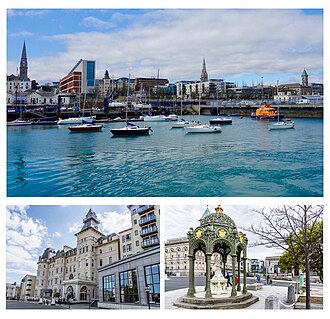
Dun Laoghaire East Pier — Spectral Footsteps, Pier Lore & Visitor Guide
Dun Laoghaire East Pier — Spectral Footsteps, Pier Lore & Visitor Guide
The long stone stretch of Dun Laoghaire East Pier has been a focus for seafarers, strollers and storytellers for generations. This guide pairs the pier’s documented maritime and local history with the ghostly tales and reported sightings that have grown up around it. You will find clearly separated sections for verified information and folklore, practical tips for visiting safely, guidance on respectful photography and conservation, and options for deepening the experience with guided walks.
Documented history of the East Pier and harbour
The East Pier is part of the harbour infrastructure that gives Dun Laoghaire its character: long stone piers, sheltering waters and a coastal edge used for docking, promenading and fishing. The harbour’s development was a maritime response to the needs of passenger and cargo traffic along the Irish Sea, and the piers played practical roles in protecting berths and guiding vessels into calmer water.
Public records and maritime accounts describe the pier as a durable seawall built to withstand tides, storms and the wear of decades of use. It has been maintained and repaired multiple times to address storm damage, and its surface now shows the layers of that working history: granite and concrete patches, iron railings and embedded cleats once used for mooring small craft.
Beyond construction and maintenance, the East Pier has long been a recreational asset for local residents and visitors. Photographs, postcards and municipal planning documents show it as a promenading route, a fishing spot and a vantage point for watching ferries, day boats and, on clear days, the sweep of the Dublin coastline.
Pier lore and spectral footsteps
Label: Folklore and anecdote. The stories that surround the pier are a mixture of oral tradition, local anecdote and reported encounters. Common themes include:
- Spectral footsteps heard on the stones when no one else is nearby, often described as the sound of a solitary walker pacing towards the harbour.
- A lone lamplight or an indistinct figure seen at dusk, sometimes described as a person in period clothing who fades into the sea-spray.
- Whispers and voices carried on the wind that some passersby interpret as echoing conversations from other times.
- Tales linking the pier to shipwrecks or lost sailors, used to explain sudden apparitions or the feeling of being watched at night.
These accounts circulate by word of mouth, and many are shared informally at local pubs, social media groups and on walking tours where guide narratives mix history with atmospheric storytelling. They make up an important part of the pier’s cultural landscape — not necessarily as factual claims but as expressions of place and memory.
Reading the evidence: eyewitness reports vs. embellishment
When separating eyewitness accounts from embellishment, it helps to keep three things in mind:
- Origin: Reports from named witnesses, recorded interviews or contemporary newspapers carry different weight to anonymous claims posted online.
- Context: Weather, lighting and the presence of other people or animals can explain many sensory experiences that later become supernatural accounts.
- Transmission: Stories often grow in the retelling. A single unexplained sound becomes a “ghostly walker” after multiple narrations that add detail for atmosphere.
Some local newspaper reports and oral histories record unusual incidents — missing persons, strong tides and maritime rescues — that feed the folklore. Those documented incidents are not identical to spectral explanations but do provide factual anchors for the stories. Always treat anecdote and folklore as valuable cultural material while distinguishing them from verified records.
Visitor practicalities: when to go, safety and accessibility
Best times: dusk and early evening are when atmosphere is richest for those seeking mood and photography. Early morning light can also be excellent for long shadows and fewer people. Avoid stormy conditions; the pier can be exposed to strong winds and spray.
Footwear and clothing: wear sturdy, non-slip shoes — the surface can be uneven and slick with algae or rain. Dress in layers: coastal weather changes quickly.
Lighting and visibility: parts of the pier are unlit. Bring a torch or use your phone’s light if you plan to stay after sunset, but be mindful of other visitors. If you are alone, let someone know your route and expected return time.
Accessibility: the pier involves a long walk and some steps. Mobility-impaired visitors should check access points and consider staying nearer the harbour entrance where paths are smoother. Dogs are common but should be kept on a lead; check local signage for any restrictions.
Responsible photography, conservation and etiquette
Respect the pier as both a living public space and a working maritime environment. Avoid disturbing people who are fishing or using the pier for practical purposes.
Drone guidance: drone use is regulated. If you plan to fly, check the relevant aviation and local rules and secure permissions if required. Avoid flying over people, boats or restricted harbour areas.
Conservation: do not remove stones, plant life or artifacts. The pier and adjacent shoreline are habitats for coastal birds and marine life; keep noise levels low, and take litter with you. If you are recording oral stories, consult the Budget checklist for recording oral ghost stories in Dublin for respectful practices and equipment tips.
Where to deepen the experience
Guided walks add historical context, recorded anecdotes and safe routes for after-dark explorations. Haunted Ghost Tour Dublin runs regular tours that visit coastal and city locations linked by maritime history and folklore. Combine an East Pier visit with nearby coastal and after-dark walks to build a fuller picture of Dublin’s shoreline ghost lore.
Nearby walks and sites to pair with the pier visit:
- Sandymount Strand Twilight Sightings Walking Trail — Guide & Tour Tips for shoreline atmosphere and tidal stories;
- Blackrock Coastal Park Eerie Walk: Local Legends, History & Visitor Guide for cliffside history and local legends;
- St Audoen’s Church After-Dark: Legends, Bell‑Ringer Tales & Night Visit Guide for urban churchyard lore;
- Iveagh Gardens at Twilight: Forgotten Statues and Echoes for twilight park ambience and sculptural stories.
To join a curated walk that frames the pier’s history and folklore safely, consider booking a Haunted Ghost Tour Dublin walking tour tailored to coastal ghost stories. Book a Haunted Ghost Tour Dublin walking tour (including visits near Dun Laoghaire East Pier) — reserve now: https://www.ghosttourdublin.com/tours/
If you are organising a private group—school visits, heritage groups, or private tours—our group bookings page provides options for tailored itineraries and off‑peak departures. Arrange a private group booking with Haunted Ghost Tour Dublin.
Responsible storytelling
Storytellers shape a place’s identity. If you record or retell eyewitness accounts, be clear about the distinction between documented events and personal interpretation. Encourage consent when sharing someone else’s story, and consider the emotional impact of linking tragedy and supernatural interpretation in public retellings.
Final practical checklist for visitors
- Check weather and tide forecasts before heading out.
- Wear non-slip footwear and warm layers.
- Bring a torch if you plan to stay after dusk and a fully charged phone.
- Respect anglers and other users of the pier; keep dogs on leads.
- Take photographs responsibly and avoid disrupting wildlife or ongoing maritime activity.
- If recording oral histories, follow ethical guidelines and equipment tips in the Budget checklist for recording oral ghost stories in Dublin.
For guided exploration that balances maritime history with the pier’s folklore and keeps safety front of mind, Book a Haunted Ghost Tour Dublin walking tour (including visits near Dun Laoghaire East Pier) — reserve now: https://www.ghosttourdublin.com/tours/. For private or group bookings tailored to your needs, see our group tours page.
FAQ
Is Dun Laoghaire East Pier safe to visit after dark and what precautions should I take?
Many people visit the pier after dark and enjoy the quiet atmosphere, but safety depends on weather, tides and personal preparedness. The pier can be exposed to strong winds and spray, and some sections lack lighting. Precautions: tell someone your plans, wear sturdy footwear, bring a torch, avoid the pier in stormy conditions, and keep a safe distance from the pier edge. If you are unsure, join a guided tour that operates with safety protocols.
When is the best time to experience the pier for atmosphere and photography?
Dusk and early evening provide strong atmosphere and dramatic light, while early morning offers softer light and fewer people. For photography, arrive before sunset to scout compositions and to avoid walking on potentially slippery stones in fading light. Check the weather and bring layers—coastal light changes quickly and can be unexpectedly cold.
Are the ghost stories about the pier based on documented incidents or oral tradition?
The stories are a mixture. Some are built on documented maritime incidents, rescues or local events that are recorded in public accounts. Many of the supernatural elements—spectral footsteps, fading figures and whispered voices—come from oral tradition and anecdotal reports. Treat folklore as culturally significant while distinguishing it from verified records.
Do you offer guided tours that include the East Pier and can I book a private group?
Yes. Haunted Ghost Tour Dublin runs guided walks that include coastal locations and nearby sites, pairing history with folklore for a safer and more informative experience. To book, visit our tours page: Book a Haunted Ghost Tour Dublin walking tour (including visits near Dun Laoghaire East Pier) — reserve now: https://www.ghosttourdublin.com/tours/. For private or group bookings, see our group tours page for tailored options.