
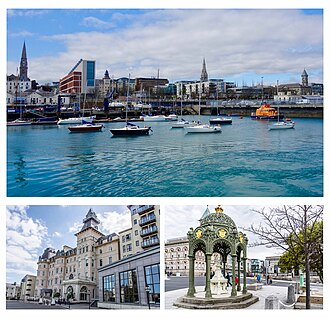
Dun Laoghaire Harbour Ghost Stories: A Visitor’s Guide to Legends & Where to Explore
Dun Laoghaire’s sweeping stone piers, Victorian terraces and salt-scented promenades have long been fertile ground for stories that blur the line between maritime tragedy and local imagination. From shipwrecked sailors said to still walk the eastern pier to reports of cold spots near old lifeboat buildings, the harbour’s atmosphere—especially at twilight—invites questions about what is documented history and what has become folklore. This guide helps visitors separate verified events from legend, highlights the most-discussed haunted spots, and gives practical advice for exploring safely, whether on your own or with a Ghost Tour Dublin Experience.
Book a Dun Laoghaire harbour ghost tour with Ghost Tour Dublin Experience
Introduction: Why Dun Laoghaire Harbour attracts ghost stories
The harbour’s topography—a long, exposed harbour wall, a busy entrance to Dublin Bay, and places where the sea meets urban life—created both the conditions for real maritime loss and a steady stream of tales passed down through families and fisherfolk. In the 19th and early 20th centuries, the harbour was a hub for steamers, lifeboat launches, and ferry traffic. Where there is frequent loss at sea or sudden industrial change, communities often create narratives that help explain grief and danger. That combination of tangible history and human storytelling is why Dun Laoghaire remains a place of whispered legends.
Historical context: Maritime tragedies, Victorian expansion, and verifiable records
Documented history at Dun Laoghaire is straightforward in many respects: it was developed as a major 19th-century harbour and terminus, with extensive stone piers built to shelter ships approaching Dublin Bay. Numerous logs, newspaper reports and lifeboat records describe accidents, rescues and occasional fatalities—normal for a working harbour of that era.
When distinguishing documented history from legend, look for verifiable sources such as contemporary newspaper accounts, official lifeboat service logs and railway timetables. Where records exist you will find precise descriptions of weather, vessel names and recorded casualties. These form the backbone of what can be stated as history rather than hearsay.
Top haunted spots around the harbour
The East Pier
The East Pier is perhaps the most evocative location: long and exposed, with a flat top ideal for evening walks. Reports of a solitary figure at dusk or sudden chills are common in local storytelling. Documented history confirms the pier’s use by thousands of visitors and its exposure to fierce easterly gales, which caused many accidents in the past. The ghost stories here usually expand on the emotional reality of lives lost to sea rather than claiming specific, verifiable apparitions.
The Marina and Slipways
The modern marina is a contrast of polished leisure craft and the older tidal slipways used for launches. Folklore often focuses on drowned crew or fishermen seen near low tide. While drownings did occur historically, the specifics—names, faces or repeated sightings—tend to come from oral tradition rather than official records.
Old Lifeboat Station
Where there was dedicated lifesaving activity, there were also dramatic rescues and, occasionally, fatalities. The old lifeboat station is central to many stories about restless crews. Verifiable accounts exist of launches and rescues, but the idea of an always-present “ghost crew” is folklore layered onto those records to give voice to the risk faced by real volunteers.
Dun Laoghaire Railway Terminus
The former railway terminus and surrounding buildings are settings for stories of lost travellers or spectral commuters. Railway accidents and sudden deaths did occur in the age of steam, and some reports are recorded in period newspapers. Many haunting stories take those kernels of truth and create more elaborate narratives—useful for atmosphere but not always supported by primary documentation.
Notable ghost stories and testimonies: separating folklore from documented events
Some of the most often-repeated tales include a lone woman in Victorian dress on the pier, phantom footsteps near the lifeboat house and voices heard near moored boats at night. These stories are emotionally compelling and consistent with common folkloric themes—mourning, waiting and the sea as both provider and taker.
To separate folklore from documented events, ask three questions: is there an official record (press, lifeboat log, coroner’s report)? Is the story tied to a verifiable name or date? Has the account been recorded contemporaneously or is it retold decades later? If you find contemporary sources, you have historical evidence; if not, you’re likely witnessing the community’s myth-making process.
Oral testimonies still matter. They reveal local attitudes to risk, memory and place. Stories passed through generations can be treated as cultural artifacts even when they lack documentary proof.
Self-guided Dun Laoghaire harbour walk: route, timings, and safety tips
This self-guided walk focuses on accessible, public areas and is suitable for most visitors. Total walking time, with stops, is typically 60–90 minutes.
Suggested route:
- Start at the former railway terminus area and the nearby promenade.
- Walk east along the marina, pausing at the slipways and old lifeboat house.
- Continue onto the East Pier, proceed to the breakwater and take in the view toward Dublin Bay.
- Return via the inner harbour, finishing near the central promenade and local cafés.
Timing: early evening (an hour before sunset) provides atmosphere without full darkness. If you prefer nocturnal ambience, ensure you are in well-lit, populated parts of the harbour and not on the outer pier after official closing hours.
Safety tips:
- Stay on marked paths and away from the very edge of the pier—stone surfaces are slippery when wet.
- Check tide and weather forecasts before you go; conditions change quickly on the east coast.
- Carry a charged phone, a small torch and wear non-slip footwear.
- Respect any closed signs or barriers; these are there for public safety.
Joining a guided ghost tour: what to expect, tour durations, and commercial options
Guided tours combine storytelling, historical context and safe navigation of tricky spots. Ghost Tour Dublin Experience runs curated walks that balance atmospheric tales with recorded history—so you’ll hear both documented incidents and the richer folklore that grew around them. Expect guides to make clear when they’re sharing verified records versus local legends.
Typical tour durations for harbour-focused experiences are 60 to 90 minutes. Commercial options may include evening departures timed with sunset, private group bookings, and themed walks that pair harbour stories with broader Dublin narratives. Guides often bring archival images and anecdotes that ground the stories in place and time.
Joining a guided tour is especially helpful if you want nuanced context: guides trained in local history can point you to primary sources and show how folklore evolved. For those interested in hosting a private group, you can arrange bespoke routes that focus on Dun Laoghaire’s maritime past and haunted lore. To book a public or private tour, visit the Ghost Tour Dublin Experience booking page: Book a Dun Laoghaire harbour ghost tour with Ghost Tour Dublin Experience.
Responsible visiting: respect, photography, and preserving local history
Haunted places are often living communities or working spaces. Respect local residents, recreational users and anyone working on the harbour. Avoid trespassing on private property or enter restricted lifeboat or marina areas.
Photography and recording are usually permitted in public spaces, but always ask before photographing people. Many tours allow recording for personal use; commercial recording or research should be discussed with your guide or tour operator first. If you want more guidance on ethical tour practices and monetisation, see advice on affiliate bookings and monetising Dublin dark tours available in our internal guide How to Monetise Dublin Dark Tours with Affiliate Bookings.
When you share a haunting story online or with friends, note whether it’s documented history or local folklore. That distinction helps preserve the dignity of real events and the cultural value of oral tradition. For readers interested in other local haunted walks and how stories interlink across the city, explore related routes like Lesser-known Bram Stoker Dublin landmarks, Haunted sites in the Liberties, Rotunda Hospital Ghost Nurses and the Dalkey Village Ghost Walk Route.
If you’re organising a private group, Ghost Tour Dublin Experience can design an itinerary for your party—contact the team directly to discuss options and accessibility. Book a private Dun Laoghaire harbour ghost tour with Ghost Tour Dublin Experience.
Whether you walk alone or with a guide, aim to leave the harbour as you found it: no litter, no graffiti, and an awareness that the stories belong as much to the local community as to visitors.
Book a Dun Laoghaire harbour ghost tour with Ghost Tour Dublin Experience
FAQ
Are the Dun Laoghaire harbour ghost stories true or just local legend?
Many stories mix both. Documented events—shipwrecks, rescues and occasional fatalities—are recorded in contemporary sources and form a factual foundation. Layered on top are oral traditions and folklore that expand or dramatise those events. Treat specific apparition claims as folklore unless you can find a contemporaneous record naming time, place and people.
Is it safe to visit the harbour at night for ghost hunting or a walk?
Visiting at dusk or early evening is generally safe if you stick to public, well-lit areas and follow common-sense safety measures: check weather and tides, wear suitable footwear, carry a phone and a torch, and avoid isolated spots on the outer pier after hours. If you plan a late-night visit, consider joining a guided tour for additional safety and local knowledge.
Do guided ghost tours visit Dun Laoghaire Harbour and how long are they?
Yes. Ghost Tour Dublin Experience runs harbour-focused and broader Dublin walks that include Dun Laoghaire’s piers, lifeboat areas and related sites. Typical harbour tours last 60–90 minutes; private or extended options are available on request.
Can I photograph or record during a ghost tour around the harbour?
Photography for personal use is usually fine in public spaces, but always respect other visitors and local residents. Recording for commercial purposes or research should be agreed with your guide or tour operator in advance. If in doubt, ask before you start recording.