
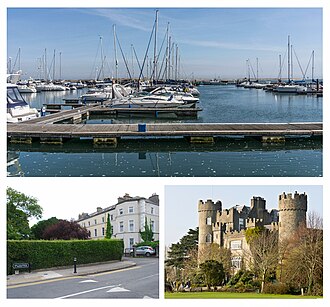
Malahide Castle Hauntings — A Visitor’s Guide to History & Legends
Malahide Castle draws visitors for many reasons: its layered architecture, parkland setting, and the sense of a long human story folded into stone and timber. For some, the draw is darker — reported apparitions, unexplained sounds and a steady stream of folklore give the place a reputation among dark-tourism destinations. This guide separates what is documented from what is local legend, and gives practical advice for visitors who want to explore the castle’s history and the stories that surround it without compromising the site or other guests.
Why visitors come for Malahide Castle’s hauntings — what draws dark-tourism interest
Malahide’s atmosphere plays a big part. Old houses with preserved rooms, elongated corridors and uneven staircases naturally invite curiosity about lives once lived there. Add decades of oral storytelling and a handful of persistent sightings, and you have a setting that attracts both history lovers and those who seek the uncanny.
Dark-tourism interest usually sits between two impulses: an appetite for historical context and a fascination with the uncanny. Many visitors who come for “hauntings” are equally interested in architecture, family archives and the ways past lives are curated and interpreted.
Getting there and visitor essentials — transport, tickets, access and what to pack
Transport: Malahide is well served by regional public transport. Regular commuter rail connects the town to Dublin city centre, and local buses stop nearby. If you’re driving, there are public car parks within walking distance of the castle grounds.
Tickets and opening hours: The castle is a managed heritage site with timed entry for the house and separate access to the grounds. Check official channels for the most recent ticketing and opening-time information before you travel — schedules can change for events or conservation work.
Accessibility: The castle house contains historic stairways and rooms that may be challenging for visitors with mobility issues. The grounds and some visitor areas are more accessible, but uneven paths and cobbles are common; plan accordingly and contact site staff in advance if you have specific needs.
What to pack: Comfortable shoes for gravel and grass, layers for Irish weather, and a small daypack. A phone for photos is fine, but respect any site rules about flash photography or restricted areas. If you plan to join an evening event, bring a charged torch and a reflective jacket for the walk to public transport.
A concise, documented history of the castle (what is established fact)
Malahide Castle is a historic house with a long occupation history on a coastal site north of Dublin. The castle as visitors see it today contains construction phases from different centuries, reflecting architectural changes and the tastes of successive owners. For centuries the property served as a family seat and was later opened to the public as a preserved historic house and visitor attraction.
Inside, visitors will find period rooms, furniture and collections presented to illustrate domestic life across generations. Conservation work and curatorial interpretation have focused on protecting original fabric and explaining the social history of the site rather than promoting sensational claims. These are the verifiable, documentary elements most heritage professionals emphasize.
Local folklore and ghost stories — clearly identified legends and their origins
Many of the castle’s ghost stories exist as oral traditions, retold by local residents, visitors and occasional writers. Because folklore changes with each retelling, motifs repeat rather than a single authoritative tale. Common themes include:
- The “white lady” or female figure seen in windows or corridors — a motif common to many Irish houses.
- Sensations of sudden cold, footsteps in empty rooms, or whispers heard where no staff are present.
- Objects moved or small, unexplained disturbances reported after private events or late-night visits.
Origins: These tales often grow from a mixture of real events (family tragedies, deaths, dramatic departures) and Victorian-era enthusiasm for ghost stories. Over time, guidebooks and contemporary storytelling have amplified select anecdotes, creating the modern folklore that visitors encounter today.
For readers interested in how folklore clusters around performance and urban sites, related tales appear in our pieces about Fringe Theatre Hauntings and the atmospheric histories of other Dublin locations like Heuston Station and Lost Dublin Cinemas.
Visitor reports and common experiences — anecdotal observations, not proof
Accounts vary. Some visitors report nothing unusual beyond the expected creaks and drafts of an old house. Others describe a “presence,” a sudden chill, or hearing what they interpret as someone walking in a deserted corridor. Photographs taken in dim rooms sometimes show anomalies such as light artefacts or dust reflections; these are photographic phenomena well known to photographers and often have mundane explanations.
Audio enthusiasts occasionally report capturing ambiguous sounds on handheld recorders. Independent researchers and many heritage staff stress that such recordings are prone to misinterpretation without controlled conditions.
Because these reports are anecdotal, they are best treated as part of the site’s living folklore rather than evidence of supernatural activity.
Responsible visiting, photography and etiquette — respect for heritage, staff and other visitors
Historic houses are fragile. Respecting conservation rules isn’t about dampening curiosity — it protects the building, its contents and future visitor experiences. Common-sense etiquette includes:
- Follow staff instructions and signage; restricted areas are closed for good reason.
- Avoid touching furniture, upholstery and displays.
- Use non-intrusive photography settings if permitted; many places disallow flash in historic rooms because it can damage textiles and finishes.
- Keep voices low and avoid disruptive equipment during tours or talks.
- If you are recording audio or doing investigative activities, get written permission from site management — unsanctioned ghost-hunting can interfere with conservation work and other visitors’ enjoyment.
Respect also extends to the living community around the castle. Local residents, staff and volunteers are part of the site’s care; approach stories and traditions with curiosity but not entitlement.
How to experience the hauntings: official tours, special events, and private/group options
The best way to explore Malahide’s darker stories is on a guided, official visit. Curated tours combine architectural facts with the folklore that surrounds the place, giving context and preventing accidental damage to the collection. Many heritage sites host seasonal events around Samhain/Halloween that emphasize storytelling and atmosphere but operate within safety and conservation guidelines.
For groups, private bookings allow a focused experience outside typical opening hours. If you are arranging a research visit or a private after-hours tour, coordinate with site staff to agree terms and rules in writing. For small-group experiences with a focus on history and folklore, our Haunted Ghost Tour Dublin tours blend documented context with the local legends that keep visitors talking.
Book a Haunted Ghost Tour Dublin walking tour or arrange a private group visit to experience Malahide Castle safely — contact us for private group scheduling and tailored visits.
Consider combining your visit with other interpretive walks that explore Dublin’s haunted and historical sites, such as the Merchant Quays Ledger Hauntings trail or our guide to Trinity College’s Rare Books and ghostly whispers. These paired visits offer a broader sense of how folklore and urban history intersect across the city.
If your priority is an atmospheric but informed experience, book an official tour in advance and let professional guides frame stories in their historical context. This approach protects the site and gives you a richer understanding than unstructured night-time investigations.
FAQ
Is Malahide Castle actually haunted?
Short answer: there are many reported experiences but no conclusive evidence. The castle has a long tradition of folklore and contemporary visitor reports describing sensations, sights and sounds. These accounts are part of the site’s living culture but should be distinguished from documented historical fact.
Can I visit the castle after dark or join a night ghost tour?
After-dark access is usually limited to organised events run or approved by the site. For safety, conservation and staffing reasons, unsanctioned night visits are not appropriate. Check with the castle’s visitor services or book an official evening event through our tours page.
Are guided ghost tours available for small groups or private bookings?
Yes. Guided tours with a focus on history and local folklore are available for small groups, and private bookings can be arranged to suit particular interests. Use the private groups booking link to enquire about tailored visits and group rates.
What should I bring and are there photography or recording restrictions?
Bring sensible footwear, warm layers and a charged camera. Many historic rooms prohibit flash photography and unsanctioned recording; always follow the site’s rules. If you plan any investigative recording, seek written permission from staff to avoid disrupting conservation work and other visitors.