
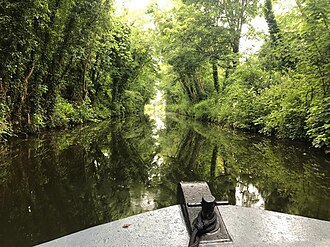
Royal Canal Towpath Twilight Trail: Reflections and Strange Encounters
The Royal Canal towpath at twilight is a liminal place: the city’s hard edges soften, water takes on a mirror quality, and familiar noises rearrange into something quieter and more intense. This guide—Royal Canal towpath twilight trail: reflections and strange encounters—blends verifiable local history with atmospheric observation, clearly labels folklore, and offers practical tips for a safe and evocative evening walk in Dublin.
Why twilight? The atmosphere of the Royal Canal towpath at dusk
Twilight changes how we read the canal. Light shifts from warm to cool, shadows lengthen across towpath brickwork, and the water becomes a moving tableau of reflections—passing bikes, soft streetlamps, and the occasional lantern from a nearby houseboat. The air carries fewer car horns and more subtle urban sounds: a distant tram, the cluck of waterfowl, the ripple of a barge wake.
Walking at this hour highlights contrasts: hard Victorian engineering beside soft reed beds, geometric locks against birdsong. The towpath rewards slow attention. Take moments to stop and watch—reflections will rearrange familiar structures into something uncanny but visually rich.
Documented history of the Royal Canal in Dublin — separating fact from legend
Documented history
The Royal Canal is an engineered inland waterway built to connect Dublin with the west of Ireland. Its original purpose was commercial: moving goods and passengers in a period when waterways were major transport arteries. Over time, traffic declined with the rise of rail and road, and the canal fell into disuse in many stretches. In recent decades, investment and restoration have transformed large sections of the towpath into a recreational corridor used by cyclists, walkers, anglers and small tour operators.
Restoration efforts have focused on stabilising banks, reopening blocked sections, maintaining lock gates, and improving towpath surfaces. Those efforts are documented in local council reports and community plans; the result is an accessible, largely continuous route that links neighbourhoods and green spaces across north Dublin.
Separating fact from legend
Because the canal has existed through eras of intense social change, it has accumulated stories. Fact: it was a commercial waterway that declined and was later restored. Legend: tales of spectral bargemen or mysterious lights are part of oral tradition but not part of the historical record. In the sections below I label folklore clearly so you can enjoy the atmosphere without mistaking story for archive.
A compact twilight route: suggested stops, timing and notable landmarks
Plan a 60–90 minute circular or out-and-back walk focused on the canal’s quieter, more atmospheric stretches. Start where the canal meets a clear public access point; popular choices are near Broadstone, Ashtown, or a well-lit city-side access close to the River Liffey connection.
Suggested 60–90 minute plan:
- First 10 minutes: arrival and orientation—check light, map, and footwear. Allow a few minutes to take in immediate reflections on a still pool.
- 10–30 minutes: steady walk past a set of locks—these are excellent for watching reflected lamp light and hearing creaks and sluices.
- 30–50 minutes: pause at a bridge or widened basin to observe wildlife and photograph long-exposure reflections. Bridges make natural frames for low-light images.
- 50–70 minutes: continue toward a quieter stretch where reed beds narrow the view—listen for bats and owls, and notice how human noise diminishes.
- Return or loop back: finish with a short reflective pause near a boathouse or community garden before heading to public transport or a nearby café.
Notable landmarks (vary by section): historic lock gates, canal basins, narrowcast bridges, and community docks. If you explore beyond the canal you can connect to other atmospheric walks—our routes often tie in with St Stephen’s Green or Ha’penny Bridge stories on separate evenings for a fuller after-dark experience.
Folklore and reported strange encounters along the towpath
Stories form part of the towpath’s texture. Locals and repeat visitors sometimes report odd sensations: the sense of being watched, unexplained lights on the water, or footsteps that stop when approached. These accounts are anecdotal and undocumented; they are part of the canal’s oral folklore rather than historical fact.
Common themes in local lore:
- Apparitions or shadow figures near bridges—repeated in anecdote but without corroborating evidence.
- Mysterious lights on still nights—often explained by reflections, distant traffic, or boats, but sometimes framed in storytelling as something else.
- Unusual sound phenomena—voices, music, or mechanical noises that seem to come from the water. Acoustic effects along a narrow canal can distort and carry sound in unexpected ways.
How we treat these stories on guided walks: they are presented as folklore—interesting, atmospheric, and worth hearing—while being clear that they are unverified. If you prefer a purely historical or wildlife-focused evening, let your guide know when you book.
What you’ll notice: reflections, soundscape, wildlife and photography tips for low light
Reflections: at twilight the canal acts like a horizontally stretched mirror. Movement on the towpath—cyclists, walkers, dog-walkers—creates elongated streaks. Architectural details blur into painterly swathes of colour.
Soundscape: expect a layered, quieting sound environment. Mechanical hums from distant roads, the slap of water against stone, birds giving last calls, and human voices carried over water. Silence is itself an element that amplifies small sounds.
Wildlife: urban foxes, waterfowl, and small mammals are active at dusk. Bats are common. Keep a respectful distance and avoid sudden bright lights that disturb nocturnal animals.
Photography tips for low light:
- Use a tripod or stable surface for long exposures—reflections and lamp light often look best with slower shutter speeds.
- Shoot in RAW if possible so you can recover shadows in post-processing.
- Choose a wide aperture and be willing to raise ISO moderately; modern cameras handle low light well but balance grain vs. motion blur.
- Bring a small headlamp with a red-light option for map reading—red preserves night vision and is less intrusive to wildlife and other walkers.
Practical safety and access: lighting, footwear, public transport, and seasonal considerations
Surface and lighting: some sections of towpath are well surfaced and lit; others are uneven and dim. Wear sturdy shoes with good grip and be prepared for muddy patches after rain. A headlamp or hand torch is sensible for poorly lit stretches.
Transport and timing: many stretches of the canal are accessible by public transport and by cycling. Check the last tram or bus times if you plan to return to the city center. Plan your start so you avoid the darkest hours if you are inexperienced with low-light walking.
Weather and season: autumn and spring bring dramatic light but also slippery conditions. Winter nights are long and cold; dress in layers. Summer evenings are milder and busier on the towpath. Always check the forecast and let someone know your planned route when walking alone.
Guided tour options: public evening walks vs private group tours and what each includes
Public evening walks are ideal for solo travellers or small parties who enjoy a shared experience. These guided walks usually focus on atmosphere, local history, and folklore in an engaging, social setting. Guides bring local knowledge and ensure safe pacing along the towpath.
Private group tours are tailored for families, corporate groups, or special occasions. They offer flexibility in route, timing, and emphasis—history, photography, or folklore. Private experiences can extend into adjacent neighbourhoods or combine with nearby evening sites for a longer twilight itinerary.
Both options typically include an expert guide, careful route selection for safety and atmosphere, and a narrative that clearly distinguishes documented history from local legend. For more background tours you may also enjoy our other evening walks—see connections to St Stephen’s Green After Dark or darker heritage routes such as Glasnevin Cemetery and Rathfarnham Castle where appropriate.
Sample itineraries and how to book
Short public trail (60–75 minutes): an introduction to twilight atmosphere, brief historical context, reflection stops, and a short folklore segment. Perfect for visitors with limited time who still want a curated after-dark experience.
Extended private twilight experience (90–150 minutes): deeper local history, bespoke photography advice, quiet stretches for wildlife observation, and the option to include additional storytelling or a tailored route. This option is best for groups or special events.
If you’re arranging a private outing for a club or corporate group, you can also reserve a tailored experience here: private group tours and bookings.
For bloggers, shop owners, or content creators interested in equipment or themed affiliate picks that pair well with twilight walks, see our practical suggestions at Affiliate Product Ideas for Dublin Folklore & Dark Tourism Blogs.
FAQ
Is the Royal Canal towpath safe to walk at twilight?
Sections are generally safe, especially those close to urban centres and well-maintained by local councils. Use common-sense precautions: walk in groups if possible, carry a light, wear sensible footwear, and avoid very isolated stretches if you are alone. Guided tours add an extra layer of safety and local knowledge.
How long is the suggested twilight route and how much time should I allow?
The compact suggested route fits comfortably into 60–90 minutes. Allow extra time if you plan to photograph, wait for reflected light conditions, or extend into nearby neighbourhoods. Private tours can be longer by arrangement.
Do guided twilight tours run year‑round and can they be booked privately?
Guided twilight walks operate through much of the year, though schedules vary by season and weather. Private bookings are available and can be customised for timing, route, and focus—history, photography, or folklore. Book early for weekend evenings.
What should I bring for a twilight canal walk (lighting, clothing, photography gear)?
Bring comfortable, weatherproof footwear, layered clothing, a small headlamp or torch (red-light option recommended), and a charged phone. For photography: a tripod or stable surface, a camera capable of manual exposure or a smartphone with a long-exposure app, spare batteries, and a small towel for gear if it gets damp.