
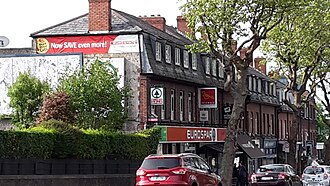
The South Circular Road twilight ghost trail offers a different Dublin night walk: a stretch of road and adjoining lanes where urban change, institutional histories and local folklore meet under the soft glow of streetlights. For travelers who want atmosphere without sensationalism, this guide frames the South Circular Road as a dark‑history district—clearly separating documented urban and social history from the stories passed down orally—and gives practical route, timing and booking advice to make a twilight walk memorable and safe.
Why South Circular Road is ideal for a twilight ghost trail
The South Circular Road sits at the edge of several historic Dublin neighborhoods. Architecturally, it mixes Victorian terraces, modest tenements and the occasional grander house, all of which read differently at dusk. Socially, the street developed through 19th–20th century urban growth: it carried workers, commuters and services for nearby institutions and factories. In twilight, the textures of brick, ironwork and narrow lanes sharpen, and the human stories tied to poverty, illness, migration and everyday life become easier to imagine.
Quick facts for visitors
- Typical route length: approximately 2–3 kilometres, depending on variations and side‑stops.
- Typical duration: 60–90 minutes on a guided trail; self‑guided timings will vary.
- Best twilight hours: aim for 30–45 minutes before sunset through the first hour of nightfall for the richest atmosphere.
- Common meeting point: a central, well‑lit landmark on the South Circular Road—your ticket will list the exact location.
- Accessibility: some sections have kerbs, uneven paving and short flights of steps. Portions are suitable for mobility aids with advance notice; ask about alternative routes.
- Bring: comfortable shoes, a small torch, weatherproof layer and a charged phone for safety.
What’s documented: the recorded social and urban history
Documented history is the backbone of a responsible ghost trail. The South Circular Road’s darker reputation grows out of real social patterns: Victorian-era population density, poorly ventilated housing, outbreaks of disease that were common in many growing cities, and the presence of institutional sites serving the urban poor. These facts are visible in surviving building types and in municipal records and newspapers of the period.
Institutional footprints—such as hospitals, workhouses, industrial sites and railway infrastructure—left lasting marks on local demographics and mortality rates. Even where buildings have been demolished or repurposed, land use and archival records show how the area functioned: as a place of labour, transit and medical care. These are verifiable through local archives and historic maps rather than oral tradition.
Recorded incidents that contributed to reputation tend to be ordinary and tragic: sudden deaths, industrial accidents, and unsolved crimes reported in contemporary newspapers. Those events are worth noting because they place human experiences into context without sensationalising them.
What’s folklore: legends, sightings and how to tell them apart
Folklore flourishes in places where visible reminders of the past remain. On the South Circular Road you will hear tales of shadowy figures in alleyways, inexplicable cold patches near old doorways, or the feeling of being watched from an empty window. These stories are valuable as cultural expression: they reveal local memory, humour and fear.
Distinguishing folklore from verified history is straightforward in method. Folklore is usually transmitted orally and varies by teller; it often lacks dates, names or documentary support. Verified history, by contrast, is supported by records: maps, birth and death registers, council minutes, newspapers or institutional archives. When in doubt, ask your guide where a claim comes from—an eyewitness, a newspaper report, or a local tale—and they should make that distinction clear.
For other neighbourhood traditions and how they differ in tone and source, see our pieces on nearby areas such as Smithfield Ghost Stories and Historic Night Walk — A Visitor’s Guide and canalside tales like Drimnagh Canal Ghost Tales: Night Walks, Folklore & Local History.
Standout stops along the route
The exact route can vary, but expect a mix of the following stop types—each chosen for atmosphere and historical resonance rather than hyperbole.
Architectural markers
Look for rows of Victorian terraces and pocket green spaces. Brickwork, iron gates and surviving shopfronts reveal the economic and stylistic changes the road has undergone. These features allow guides to talk about housing, household size and the lives inside those facades.
Pubs with long histories
Pubs often serve as social archives; long‑standing public houses may have ledger books, local hearsay and names associated with famous or notorious local figures. Pubs are also practical rest stops during a twilight walk—suitable for warming up and hearing local anecdotes from regulars.
Small graveyards and former institutional sites
Discrete burial plots and the locations of former fever hospitals or workhouses are typically quiet stops where guides contrast documentary evidence with remembered stories. For related haunted institutional narratives in the city centre, our article on Dublin Castle Servant Ghost Stories: A Visitor’s Guide to Servants’ Hauntings explores a different but thematically linked set of histories.
Railway and canal edges
Edges of transport infrastructure feel different at twilight. The proximity to stations and canals shaped the movement of people and goods—and the social rhythms that generated the stories told about the area. For more on nearby after‑hours station lore, see Heuston Station After‑Hours: Haunted Histories & Night Visit Guide.
Practical tips for a twilight walk
Safety first. Walks are atmospheric but practical: stay on public footpaths, keep to well‑lit sections if you’re uncomfortable, and follow your guide’s instructions about privately owned access. If you’re on a self‑guided route, share your intended path with someone and stay aware of traffic when lanes narrow.
Lighting and photography: twilight is rewarding for long‑exposure photography, but some locations prohibit tripods or intrusive flash. Ask permission before photographing inside private entrances or taking close‑up images of residents’ homes. A small torch helps with uneven paving and pre‑lighting markers for companions.
Group size and noise: guided groups should be no larger than recommended by the tour operator to preserve atmosphere and avoid disturbing neighbours. Keep voices low and respect residents—these are living streets, not museum sets.
Weather and clothing: Dublin weather can change quickly. Waterproof layers, closed shoes and a hat are sensible. Tours run in most weather but may be rescheduled in hazardous conditions; check cancellation policies when you book.
How to join a guided tour or book a private walk
Ghost Tour Dublin Experience runs themed twilight walks focused on historical accuracy and atmospheric storytelling. Tickets are typically sold per person for scheduled public walks and as packaged options for private groups. When you book, look for information on meeting points, duration, minimum and maximum group sizes, and accessibility accommodations.
Expect a mix of short historical talks, close reading of architecture, and the sharing of local stories labelled clearly as folklore unless documentary evidence exists. Guides carry identification and will outline safety measures and route highlights at the start.
For private groups and tailored walks—team events, academic groups or family celebrations—contact us to arrange a bespoke experience or enquire about private bookings at our private groups page. If you enjoy local research and writing about the city’s past, consider supporting our work through small contributions described on our Micro‑Donations for a Dublin Ghost Blog page.
FAQ
How long is the South Circular Road twilight ghost trail and when does it start?
Guided walks typically cover about 2–3 kilometres and last 60–90 minutes. Start times are scheduled around sunset to capture twilight; your ticket will list the exact meeting time—usually 30–45 minutes before sunset is ideal for atmosphere.
Is the walk suitable for children, seniors or people with limited mobility?
Many sections are family‑friendly and suitable for seniors who can manage short walks. Some parts have kerbs and uneven paving that can be difficult with mobility aids. Contact the operator before booking to discuss alternative routes or private group arrangements that accommodate limited mobility.
Are the ghost stories on the route historically verified or mainly local folklore?
Both appear on the trail. Guides distinguish clearly between documented history—based on archives, newspapers and maps—and local folklore, which is valuable as oral tradition but not always verifiable. Feel free to ask your guide about the source of any story.
Do I need to book in advance and where is the meeting point for guided tours?
Advance booking is recommended, especially for weekend and evening slots. The meeting point is a clearly stated, well‑lit landmark on the South Circular Road and will be included on your ticket and email confirmation. If you need directions, contact the tour organiser before your visit.