
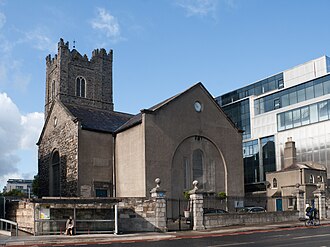
St Michan’s Crypt: Mummies, Cold Spots and Visiting Guide
St Michan’s crypt is one of Dublin’s most photographed and talked-about subterranean spaces: a dimly lit stone chamber where centuries-old remains sit in silence and visitors report sudden drops in temperature. The site attracts history buffs, conservation-minded travellers and dark‑tourists curious for a close encounter with the preserved human remains and the stories that grew around them.
Book a guided St Michan’s visit with Haunted Ghost Tour Dublin — reserve your tour
Why St Michan’s crypt draws visitors
The crypt appeals on two distinct levels. First, it is a tangible bridge to Dublin’s past: bones, coffins and architectural features that communicate centuries of local life and death. Second, it sits within the dark‑tourism tradition — places that combine history with a chill factor. For many people the attraction is both educational and visceral.
Guides and visitors often seek the site because it allows safe, managed access to human remains and because the crypt’s atmosphere encourages reflection on mortality and memory. That blend of scholarship and sensation is central to the experience.
Documented history of St Michan’s Church and the crypt
It is important to separate documented history from later storytelling. The church known as St Michan’s has long served its parish and has architectural elements that reflect many periods of use and repair. The existence of a crypt beneath the church and a tradition of burying the dead in church vaults is well established in ecclesiastical history.
Documented facts include the presence of interments in vaults beneath many older urban churches and the historic use of lime, stone and certain burial practices that can influence preservation. The specific environmental conditions within the crypt — cool, dry, and chemically favourable to reducing decay — are accepted by conservators as primary drivers of the long-term survival of the remains there.
Folklore, which we will address later, grew on top of these facts. When reading accounts or promotional copy, look for clear statements that are evidence‑based versus stories passed down by word of mouth.
The mummies: what is known vs later storytelling
What is known: the crypt contains several preserved human remains. Conservators and guides note that the bodies are desiccated rather than embalmed by modern methods. The dryness and chemical conditions of the vault slowed bacterial activity and allowed soft tissues to persist in a mummified state.
Age estimates vary and are often given as approximate; some of the remains are several centuries old. Public interpretation focuses on the preservation process and the lives these people once led rather than sensational speculation about origins.
What is folklore or legend: over time nicknames, rumours of dramatic deaths and embellished backstories have attached themselves to individual mummies. These stories are a normal part of how communities process unusual objects, but they should be treated as cultural interpretation rather than scientific fact.
Cold spots and reported encounters
Numerous visitors mention “cold spots” in the crypt — pockets where the air feels noticeably chillier or where a draft is felt despite the overall stillness. Guides hear these reports nightly and collect them as part of the visitor experience.
How to interpret such experiences: sensory perceptions in low light and emotionally charged settings are highly suggestible. Simple physical explanations include air movement through stonework, differences in thermal mass between stone and occupants, and the innate tendency of people to focus on small changes when they are primed to expect them.
That said, reports are real experiences for visitors: a sudden draft, goosebumps or a feeling of being watched. Haunted Ghost Tour Dublin guides document these observations as part of a cultural and social record, and they discuss both natural explanations and local lore during tours. If you are interested in collecting or contextualising first‑hand ghost accounts, see our guide on ethical methods for working with oral folklore.
Collecting Dublin’s First‑Hand Ghost Accounts: Ethical Oral‑Folklore Methods for Guides
Visiting practicalities
Before you go: check opening information and ticketing through the church or book a guided time slot with Haunted Ghost Tour Dublin for a guaranteed entry. The crypt’s access can be limited for conservation and safety reasons, and guided visits often sell out during peak seasons.
Guided vs self‑guided: a guided visit gives historical context, conservation explanations and a calm, controlled environment for viewing the remains. Self‑guided options may be available at times, but they usually come with tighter rules and less interpretive information.
Combining visits: many visitors pair St Michan’s with other atmospheric walks or evening pub routes in the city. If you plan to extend your exploration, consider our recommended pub-crawl and walking options that move at a similar pace.
Lesser-Known Haunted Pubs of Dublin: Quick Pub-Crawl Guide
Photography, recording and conservation
Responsible photography is essential. The crypt is a conservation environment; strong flashes and prolonged lighting can stress materials and degrade fragile surfaces. Many visitors want to capture the atmosphere — you can — but follow onsite rules and the guide’s instructions.
Practical, non‑technical tips: use available light, keep your camera steady against a stone wall if necessary, and consider your phone’s night mode. If you plan to photograph multiple sites across Dublin at night, our low‑light tips are a useful primer.
Photographing Dublin’s Haunted Sites at Night: Low-Light Tips for Tourists
Ethical boundaries: do not touch the remains or any artifacts, and avoid behaviours that treat the space as a studio. Recording devices are usually allowed, but ask the guide about audio capture if you plan to publish or monetise content — respectful practice benefits conservation and local communities.
If you’re a content creator thinking of monetising ghost-story material, explore respectful sponsorship and ethics guidance in our resources.
How to Monetize Dublin Ghost-Story Podcasts: Local Sponsorship Tips
Etiquette, accessibility and safety
St Michan’s is a consecrated site and should be treated with courtesy. Speak quietly, avoid flash photography when asked, and follow any instructions about where to stand and when to move. The remains are human and deserving of respect.
Accessibility: crypts are often reached by stone steps and can have low ceilings and uneven flooring. If you have mobility concerns, contact the venue or your tour provider in advance to discuss options. Guides can advise on the best way to approach the visit safely.
Safety: wear sensible shoes, allow extra time for narrow stair passages, and keep personal belongings secure. If you experience strong emotional reactions, tell a guide — they are trained to calm and inform visitors.
Next steps and bookings
Best times to visit: early weekday slots tend to be quieter; evening guided tours add atmosphere but can be busier. If you prefer a more academic angle, daytime visits with a knowledgeable guide will provide fuller historical context.
Book with Haunted Ghost Tour Dublin for a balanced experience that foregrounds history, conservation and visitor safety. Our guides separate documented history from folklore and make space for questions about sensory experiences like cold spots. Reserve your place now.
Book a guided St Michan’s visit with Haunted Ghost Tour Dublin — reserve your tour
For private groups, corporate bookings or educational visits, we offer tailored scheduling and extra background material. Contact us for group arrangements if you need exclusive access or specialised interpretation.
Book a guided St Michan’s visit with Haunted Ghost Tour Dublin — reserve your tour
FAQ
Are the mummies in St Michan’s crypt authentic human remains?
Yes. The remains in the crypt are human and are described by conservators and church staff as desiccated rather than modernly embalmed. Interpretation emphasises preservation processes and provenance rather than sensational claims. Tours focus on respectful explanation.
Can visitors go down into the crypt and are there guided tours?
Visitors can access the crypt during public opening times and on organised guided tours. Access may be limited for conservation or safety; book a guided slot with Haunted Ghost Tour Dublin for guaranteed entry and expert commentary.
What causes the ‘cold spots’ people report—are they paranormal or natural?
Reports of cold spots are common and genuine as subjective experiences. Natural explanations include drafts through stonework, thermal gradients and psychological suggestion in low‑light settings. Guides discuss both the physical causes and the cultural meaning of such reports so visitors can form their own views.
Is photography allowed in the crypt and are there restrictions on flash or tripods?
Photography is generally permitted, but rules vary and conservation priorities often mean flash, tripods or prolonged lighting may be restricted. Follow the guide’s instructions and place conservation and respect for the remains ahead of getting the perfect shot.