
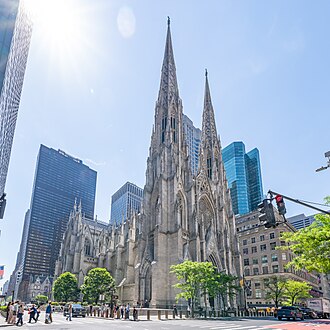
St Patrick’s Cathedral Crypt Legends and Shadows — Visitor Guide
St Patrick’s Cathedral is one of Dublin’s most visited historic sites — its soaring nave draws most visitors, but the crypt below has a long, quieter presence that attracts curiosity, stories and a steady stream of guided inquiries. This guide focuses on the crypt: what archival records and architectural study tell us, how local legends about shadows and apparitions formed, and how visitors can explore this layered space responsibly.
Book your Ghost Tour Dublin Experience to explore St Patrick’s Cathedral crypt legends and shadows
Documented history of the crypt
The crypt beneath St Patrick’s Cathedral is a physical, archaeological and documentary feature of the site. In a general sense — supported by church records, conservation reports and the visible fabric of the building — the crypt has served as a burial and memorial space and as a place where structural elements and repairs have been made over centuries.
Architecturally, crypts support the weight of the nave and often contain funerary monuments, tomb slabs and interments. The cathedral’s archives and parish registers provide the primary documentary record for burials, memorial dedications and restoration projects. These records are the basis for what historians can verify about who was interred, when repairs took place, and how the crypt’s layout evolved.
Archaeological work and conservation surveys, when published by the cathedral or heritage professionals, offer additional factual layers: material evidence of floor levels, reused masonry, and conservation choices made to protect the stone and buried remains. When planning a visit, expect a space that combines visible monumentation with careful conservation practices that limit some forms of access to protect fragile features.
Legends and shadow sightings (folklore)
Marked as folklore: Stories of shadows, fleeting figures, footsteps in empty corridors and a general sense of being watched are part of the oral tradition surrounding the crypt. These tales are passed along by residents, tour guides and visitors and have grown through retelling.
Common legends describe a dark shape near certain tombs, a woman in period dress glimpsed from the stairwell, or unexplained cold spots that gather in the arches. Some stories link these phenomena to historical figures associated with the cathedral or to tragic events that took place in the city, though such connections are usually speculative and narrative-driven rather than archival.
Folklore develops in places with layered meaning — a busy tourist attraction, a religious site, and a repository of memorials is fertile ground for storytelling. Ghost stories often function as informal interpretive tools: they draw attention to otherwise overlooked corners, provide a human story to anchor memory, and create a memorable emotional experience that helps pass along local lore.
Separating fact from folklore
Historians and conservators approach the crypt through records, material analysis and careful comparison of testimony. Where parish registers and burial records exist, they can confirm who was interred and whether a particular memorial corresponds to a named individual. Architectural studies confirm periods of rebuilding, repairs and the presence of earlier structures beneath the current floor.
Conversely, folklore often fills gaps that records can’t or don’t address: the subjective experiences of fear, grief or awe that visitors sometimes translate into apparitional narratives. Claims about specific hauntings that cannot be matched to documented events remain in the realm of oral history and legend. That doesn’t make them uninteresting — it simply places them on a different evidentiary footing.
Critical reading helps: compare eyewitness accounts to what is documented, look for corroboration in contemporary records, and remember how memory and suggestion can shape a story over time. Many reputable local historians and tour guides deliberately separate archival facts from the legends they recount — a practice that helps visitors appreciate both the solid history and the evocative folklore.
Visitor and witness accounts
Witness reports about the crypt typically fall into a few recurring categories: visual impressions of movement in peripheral vision, sensations of cold or a change in air, unexpected noises like footsteps, and strong emotional reactions in otherwise quiet spaces. These accounts are often sincere, but they are also shaped by context — prior knowledge of the legends, lighting conditions, and the acoustics of stone vaulting.
When reading eyewitness testimony, consider how environmental factors might produce or amplify an experience. Low light and deep shadows can suggest movement. Sound travels oddly in vaulted spaces, and the expectation of encountering something unexplained can prime visitors to interpret ambiguous stimuli as paranormal. That said, personal experiences are meaningful to those who have them and form an important part of the crypt’s living cultural history.
Practical visitor information
Opening hours and ticketing for the cathedral and crypt vary seasonally and by special events. To avoid disappointment, check the cathedral’s official visitor information and consider buying tickets in advance. Many visitors purchase combined tickets that include the main cathedral and the crypt, or they join a guided walk that integrates the crypt stop into a wider historic itinerary.
Photography rules are site-specific. Some areas may prohibit flash or tripods to protect monuments and to respect worship or other activities. If you plan to photograph the crypt, ask staff on arrival and follow posted guidelines.
Accessibility: crypts are commonly below ground with steps, low ceilings and uneven surfaces. Mobility access can be limited; contact the cathedral in advance to ask about arrangements. Wear sensible footwear and mind low thresholds and damp stone floors — good traction matters in vaulted, dimly lit spaces.
Safety: move slowly, watch your head on low arches, and follow staff directions. If you plan a night visit in the surrounding area, consult advice on budgeting and permits for night tours before arranging private events: see Budgeting for Safety and Permits on Dublin Night Tours — Practical Guide.
What a guided Ghost Tour covers
A guided Ghost Tour Dublin Experience that focuses on the cathedral crypt generally blends three elements: measured historical context, on-site interpretation of monuments and architecture, and the collection of folklore and witness reports that give the crypt its intangible atmosphere. Guides highlight documented facts, make clear where stories are legend, and create a narrative arc that respects the sacred nature of the site.
Small-group formats are common: they allow guides to point out subtle architectural features, read inscriptions, and describe archival material that links to the stories you hear. In a crypt-focused walk expect pauses to listen, to catch the acoustics of the space, and for the guide to address both rational explanations and tradition. This complements solo visits by providing curated context and the chance to ask questions grounded in both history and local lore.
Ghost Tour Dublin Experience also organises thematic walks that connect the cathedral crypt to wider Dublin tales. If your interest extends beyond the cathedral, consider tours or reading on related local legends like the coastal apparitions at Howth Head (Howth Head Ghost Stories and Coastal Apparitions: A Visitor’s Guide) or the maritime tales of Poolbeg Lighthouse (Poolbeg Lighthouse Keeper Ghost Tales).
Responsible visiting and conservation
St Patrick’s Cathedral is first and foremost a place of worship and remembrance. Respectful behaviour preserves the dignity of the site and helps conservation teams protect historic fabric. Observe signage, avoid touching monuments and memorials, and keep voices low in the crypt. Many funerary stones and wooden memorials are fragile; the oils from hands can accelerate deterioration.
If you photograph, follow site rules and avoid flash where it is banned. For those documenting or sharing their visit online, mindful captioning helps — distinguish clearly between what is documented and what’s anecdotal so readers can assess claims for themselves. Urban art, murals and other ghost-themed attractions also contribute to Dublin’s haunted landscape — see suggested explorations like Haunted Murals of Dublin to see how modern storytelling connects to older legends.
For bloggers, guides and small operators who want to feature the crypt responsibly, resources on commercial approaches to haunted tourism are useful: for example, see Monetize a Dublin Ghost Blog with Affiliate Tours — Practical Guide to learn ethical ways to combine storytelling and bookings without exploiting sensitive sites.
Book your Ghost Tour Dublin Experience to explore St Patrick’s Cathedral crypt legends and shadows
If you’re organising a private group or special event, we can tailor a focused crypt walk and discussion for small parties — inquire about private bookings at Ghost Tour Dublin Experience.
FAQ
Is the crypt at St Patrick’s Cathedral actually haunted?
Short answer: the crypt is associated with many personal accounts and local legends, but “haunted” remains a matter of belief. Documented records verify burials and the crypt’s architectural history; reports of apparitions belong to oral tradition and eyewitness testimony. Both aspects — the factual and the folkloric — help shape the site’s cultural identity.
Can I visit the crypt at night or join a night tour focused on its legends?
Access policies vary. The cathedral coordinates visiting hours and special events; night access may be limited and typically requires an organised event or guided tour with permission. If you’re planning a night visit, check directly with the cathedral and consult practical guidance on night-tour permissions and safety.
Will a guided Ghost Tour Dublin Experience take me into the crypt and share the history safely?
Yes: guided experiences combine historical background with folklore while adhering to the cathedral’s rules. Guides make clear what is documented vs. what is legend, and they conduct tours in a way that respects the site and other visitors. Book in advance to confirm crypt access as part of your chosen tour.
Are there restrictions (photography, behavior, accessibility) when visiting the crypt?
Yes. Restrictions commonly include limits on flash photography, the use of tripods, and instructions to avoid touching memorials. The crypt may have limited accessibility due to steps and uneven surfaces. Always follow posted rules and staff guidance for a safe, respectful visit.