
Poolbeg Lighthouse Keeper Ghost Tales: History, Legends & Visitor Tips | Ghost Tour Dublin Experience
Poolbeg Lighthouse Keeper Ghost Tales: History, Legends & Visitor Tips | Ghost Tour Dublin Experience
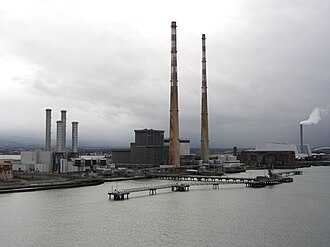
Poolbeg Lighthouse stands like a red punctuation mark at the mouth of Dublin Port, a place where wind, river and sea meet. Its solitary silhouette, the long causeway, and the steady rhythm of waves create a setting that invites stories—some rooted in maritime record, others in the imagination of generations. This article separates documented history from folklore, offers practical visiting and night‑photography advice, and explains how to experience these tales on a guided Ghost Tour Dublin walk.
Book a guided Poolbeg Lighthouse night walk with Ghost Tour Dublin Experience
1. Why Poolbeg Lighthouse captures the imagination — an introduction for visitors
The causeway to Poolbeg creates a long, exposed approach that feels cinematic at any hour. From a distance the lighthouse is a distinctive bright column against the sky; up close, the soundscape—boat horns, gulls and the rush of the sea—creates an intense sensory backdrop. This combination of isolation and maritime drama has made the site a natural focus for stories about keeper lives and, later, spectral sightings.
Visitors arrive with expectations shaped by novels, films, and local oral tradition. Understanding where recorded facts end and folklore begins makes a night walk more rewarding: you can enjoy the atmosphere while appreciating what is historically verified.
2. The verified maritime history of Poolbeg Lighthouse (what archives and records confirm)
Documented history for Poolbeg is firmly maritime. Port authority records, lighthouse service logs, and contemporary newspaper reports confirm the structure’s role as a navigational aid guiding ships into Dublin Bay. Maintenance and operational details are matters of public record with local archives and maritime institutions holding attested logs about lights, repairs and constructions.
These sources confirm that Poolbeg functioned as part of a wider system of navigational aids. Keepers and engineers were employed for maintenance and operation, and routine incidents—storms, damage, supply runs—are the kinds of events that appear in the official records rather than the dramatic confrontations of popular legend.
3. Life of a lighthouse keeper: documented realities versus the romanticised image
Documented realities: lighthouse work was practical, sometimes monotonous, and often dangerous in bad weather. Keepers were responsible for maintaining lamps, ensuring fuel or power supply, keeping logs and performing routine repairs. Records show shifts, supply deliveries, and correspondence about equipment.
Romanticised image: literature and film transform keepers into solitary, brooding figures cut off from society, framing loneliness as a pathway to madness or spectral encounters. The archival records show many keepers living in small communities or rotating duties, relying on docks and support, which makes the solitary genius trope an embellishment rather than a rule.
4. The ghost tales and local legends — common versions and how they evolved (folklore)
(Folklore) The most common tales tell of a keeper who never left, a figure seen walking the causeway, or of lanterns glowing after hours. Variants include a tragic accident—man overboard or a storm that swept a keeper away—or a grief-stricken partner remaining by the light. These stories spread through word of mouth, newspaper anecdotes and late-night pub conversations.
(How they evolved) Folklore often grows from kernels of truth: a storm-related death, an unaccounted absence in records, or an unattended lamp can be reshaped into legend. Over time, storytelling adds layers—motive, visible figures, sounds—that make a tale memorable. Local artists, writers and even t-shirt sellers contribute to the persistence of these narratives.
To be clear: while the stories are culturally significant and part of Dublin’s living folklore, they do not replace municipal records and archival evidence that document the practical and administrative side of lighthouse operation.
5. How to visit safely and respectfully: access, timing, transport and legal considerations
Access: The Poolbeg causeway is publicly visible and popular for walks, but parts of the area may be restricted at times for operational or safety reasons. Always check local signage and port authority notices before planning a visit.
Timing: Sunset and early night are atmospheric, but weather changes quickly—bring layers, waterproofs and sturdy footwear. The tide, strong winds and sea spray can make the causeway slippery; choose daylight or early evening crossings if you are unsure.
Transport: Public transport runs to nearby points, and there are parking areas close to the causeway entrance. If you drive, leave space for other users and avoid blocking access roads used by emergency and port services.
Legal considerations: Respect any fenced or signed areas and do not attempt to access restricted parts of the lighthouse structure. Climbing, trespass or interfering with equipment is both unsafe and illegal. Our recommended route and pickup/drop-off points on guided walks ensure compliance with local regulations.
6. Night photography and storytelling tips for capturing atmosphere without trespass
Use a tripod and a small, fast prime lens if possible; the causeway’s ambient light is often minimal. Long exposures will capture the lighthouse glow and the motion of water, while a slow shutter combined with a low ISO keeps noise down.
Keep compositions simple: the long leading line of the causeway, the lighthouse as a focal point, and the horizon for balance. Use a flashlight or headlamp with a warm gel for brief foreground illumination—but always announce your intentions to other visitors to avoid startling them.
Storytelling tip: if you’re working with a group, stagger your positions so everyone has space for shots. Record ambient sound on your phone for atmospheric clips, but avoid loud narration or music that disturbs wildlife and other visitors.
7. Including Poolbeg in a guided ghost tour: route ideas, audience fit, and what our tours offer
Route ideas: a dusk circuit that starts near the estuary, follows the causeway, and returns via the nearby shore gives a dramatic arc—light to dark and then back to town. We pair Poolbeg with urban ghost sites to show contrasts between maritime and city legends; see examples such as the Haunted Murals of Dublin or the urban haunted rooms at Dublin Castle to create a diverse evening.
Audience fit: the route suits adults and older teens comfortable with long walks and exposed conditions. It’s ideal for visitors who appreciate historical context as well as atmosphere—those who wish to distinguish documented events from folklore. For people focused only on thrill-seeking, urban sites with shorter walks may be preferable.
What our tours offer: our guided night walks combine safe routing, local context, and a measured retelling of folklore alongside documented history. Guides carry basic safety gear, know local restrictions, and adapt narration for groups. We also draw connections to other night‑walk themes such as the Phoenix Park Ranger Apparitions and the Royal Canal Lock‑Keeper Apparitions so visitors grasp how keeper tales are part of a wider cultural pattern.
8. Responsible tourism, community sensitivity and concluding notes
Responsible visiting means honoring both the site and the local community. Don’t block access, leave no trace, and keep noise down. Photo sessions should be brief when others are waiting. If locals ask you to step aside, do so politely—Poolbeg is a working maritime area and residents share it with visitors.
Enjoy the atmosphere, but respect the difference between documented history and evocative storytelling. Folklore is valuable cultural heritage—listen to it, learn it, and enjoy it within the bounds of safety and legality.
Book a guided Poolbeg Lighthouse night walk with Ghost Tour Dublin Experience or arrange a private group booking for your own tailored experience on our private groups page.
FAQ
Is Poolbeg Lighthouse actually haunted?
Short answer: there are many local stories, but no definitive proof. The tales are meaningful pieces of folklore shaped by maritime incidents, absent keepers and storm events, rather than verified supernatural evidence. Enjoy the legends for their cultural value while recognizing the difference between anecdote and archival record.
Can I walk to Poolbeg Lighthouse at night and are there restrictions?
You can walk the causeway at night, but check signage and port authority notices first. Parts of the area can be temporarily restricted for maintenance or safety reasons. Wear appropriate clothing and footwear, and never attempt to enter fenced or marked restricted zones.
Who were the lighthouse keepers and are their stories documented?
Keepers were employed by maritime services to maintain the light and associated equipment. Administrative records and logs document duties, maintenance and some incidents, but personal details and dramatic life stories are often amplified in later retellings. For factual information consult local archives or maritime authorities.
Are guided ghost tours available that include Poolbeg Lighthouse?
Yes. Ghost Tour Dublin Experience runs guided night walks that include Poolbeg as part of a maritime‑legend route, with historical context, safety measures and storytelling that clearly separates verified history from folklore. Book a guided Poolbeg Lighthouse night walk with Ghost Tour Dublin Experience to join a scheduled tour or enquire about private group options.