
Merch Ideas for a Dublin Dark Tourism Blog — Sell Haunted-Place Souvenirs with Historical Care
Merch that is tightly linked to place can transform a casual visitor into a collector and a local into a champion of your platform. For a Dublin dark‑tourism blog, the best souvenirs do more than look atmospheric: they act as entry points into stories, respect sensitivities around grief and trauma, and help sustain local heritage channels. This guide offers practical product ideas, design and copy rules for distinguishing folklore from documented history, sourcing options for small creators, and sales strategies that work for night walks and online shops alike.
Book a Ghost Tour Dublin Experience or browse our haunted merch for Dublin-inspired souvenirs
Why site-linked merch works for a Dublin dark-tourism blog
Visitors come for atmosphere and leave wanting a tangible reminder of a place — an image of a lane where they felt the hairs stand up, a candle scent that recalls a cellar, or a print of the precise map route from your night walk. When merch references real locations in Dublin, it deepens the connection to your content and encourages repeat visits and word-of-mouth. Site-linked products are also shareable on social media and useful for cross-promotions with walking tours and heritage partners.
Top product categories with Dublin-appropriate examples
Apparel: tees, hoodies and scarves
Simple, high-quality shirts with understated designs sell well. Use location-based motifs: a stylised silhouette of a Smithfield alley, a subtle embroidery of a Dublin Castle servant’s lantern, or a minimalist map line of the South Circular Road route. Stick to muted palettes for atmospheric wear — charcoal, deep green, and ink blue work best.
Enamel pins, patches and badges
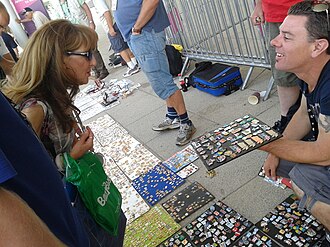
Small, affordable and collectible — enamel pins let visitors build a set. Create limited runs tied to specific walks (eg. a pin for a South Circular Road Twilight Ghost Trail) so collectors return for new releases. Include a printed tag that notes whether the image is based on folklore or documented detail.
Illustrated night maps and route prints
Maps designed for display — illustrated night maps of a walking route or an annotated pocket map — are excellent for blogs that already publish trail content. Offer versions sized for frames and smaller folded maps for pocket use. Link maps to relevant posts, such as a Drimnagh Canal Night Walk feature, with a QR code on the back for further reading.
Archival prints and postcards
Reproductions of publicly available archival photographs or tasteful illustrations of historic streets can be sold as prints or postcards. Clearly label the provenance and any reproduction rights; where possible, collaborate with local archives to license images ethically.
Replica tokens and small props
Replica tokens, a brass key, or a pocket-sized “cellar” token inspired by a specific site can be tactile souvenirs. Avoid reproducing real artifacts from fragile collections; instead design inspired tokens that evoke a place without claiming authenticity.
Scented ‘cellar’ or ‘hearth’ candles
Scent can instantly recall a place. Create small-batch candles using scent notes named after locations (for example, “Canal Reed & Stone — Drimnagh”) and be explicit that scents are interpretive recreations rather than factual reconstructions.
Limited-run zines and gift vouchers
Short zines with compact histories, guided micro-essays, or folklore collections make excellent keepsakes for readers who want more depth. Gift vouchers for tours are also effective — a ticket+merch combo encourages bookings and gets products into the hands of visitors who then promote them.
Storytelling & labelling: presenting folklore vs documented history
Be transparent. Every product that references a haunting, a ghost story, or a tragedy should include clear labelling indicating whether the content is folklore, oral tradition, or documented history. Use short taglines on product labels and longer explanatory copy on product pages. Example labels:
• Folklore: “Based on local legend recounted on night walks”
• Oral history: “Collected from local recollections”
• Documented history: “Recorded in [source] — see product page for details”
On product pages, link to the relevant story post so buyers can read the context. For instance, a print tied to Dublin Castle servant stories should link to deeper reading such as our Dublin Castle Servant Ghost Stories: A Visitor’s Guide. Clear distinctions protect your credibility and honour the people and places involved.
Sourcing, production and quality
Local makers and small workshops add authenticity and reduce shipping footprints. Consider these options:
• Work with Dublin-based printers and makers for tees, pins and candles to ensure quick restocks.
• Use print-on-demand for low-risk designs, but keep at least a few small, high-quality stock items for on-site sales.
• Run limited drops to create urgency but be transparent about quantities and lead times.
Choose durable materials and simple, repairable packaging. For archival prints, use acid-free paper and offer framing advice. For scented products, ensure compliance with safety labelling and international shipping restrictions for perfumes/candles.
Onsite sales vs e-commerce
Onsite sales during night walks create impulse buys and memorable moments. A small stall at the end of a walk or a pop-up after a scheduled South Circular Road Twilight Ghost Trail can capture visitors while the experience is fresh. Keep point-of-sale simple: card readers, contactless, and a lightweight catalogue for bulkier items.
Online sales extend reach. Use a clean Shopify or similar store with well-tagged categories (by site, by type, by story). Include clear shipping policies, especially for fragile or scented items. Offer local pickup for Dublin customers to avoid shipping costs and to encourage in-person engagement.
Pricing, bundles and ticket+merch combos
Price with the visitor in mind. Tourists expect souvenir price bands that range from impulse (€8–€20) to collectible (€25–€70+). Locals may prefer limited editions or memberships that include exclusive drops.
Bundling strategies work well: offer a low-priced token plus a discounted map, or sell a “Night Walk Pack” that includes a printed map, enamel pin, and voucher for a discounted future tour. Ticket+merch combos — a tour ticket with a small merch item included — increase perceived value and can raise average order value for both online and in-person sales.
Legal, ethical and conservation concerns
Respecting the living and the dead matters. Avoid merch that exploits recent tragedies, and always get permission before reproducing imagery owned by institutions. For archival photos, check copyright and reproduction rights. When referencing graves, victims or sensitive events, prioritise dignity over novelty and consult custodians where possible.
Don’t claim authenticity for replicas. If a design uses a coat of arms, crest or logo tied to an institution, get permission. Finally, ensure product descriptions do not make unverifiable historical claims — mark such material clearly as legend or folklore.
Marketing tips for conversions
Strong product photography in situ — a print on a Dublin windowsill, a candle burning beside a cobbled lane — helps customers imagine the souvenir in their lives. Use social proof: photos of guests wearing merch after a walk, short testimonials, and reposts from visitors. Seasonal drops tied to solstice walks or Halloween night walks can create urgency.
Cross-promotions are powerful: include a free discount code for the blog’s readers with each purchase, or a slip that offers a discount on a tour booking. Promote bundles in email newsletters and remind past guests about new limited runs. Consider micro-donations at checkout with proceeds supporting conservation or local heritage groups and link that option to your funding pages such as Micro-Donations for a Dublin Ghost Blog.
When planning tours and retail moments, look for natural pairings: sell prints of the route at the end of the walk, offer zines that expand on a route’s folklore, and use pins as a low-cost impulse item for evening sales. For location-based pieces, link product pages to posts like our Smithfield Ghost Stories and Historic Night Walk — A Visitor’s Guide and Drimnagh Canal Ghost Tales so buyers can deepen their understanding.
Book a Ghost Tour Dublin Experience or browse our haunted merch for Dublin-inspired souvenirs
For private groups and bespoke merchandise for events, please contact us to discuss options and reservations for group shops and exclusive drops: Book a Ghost Tour Dublin Experience or browse our haunted merch for Dublin-inspired souvenirs.
FAQ
What types of merch sell best to dark-tourism visitors in Dublin?
Affordable, small-format items like enamel pins, postcards, maps and candles are reliably popular. Collectible or limited-edition pieces tied to a specific walk or story sell well to repeat visitors and locals. Apparel in muted tones and small-run zines also attract buyers who want something more substantial.
How do I label a product that’s based on a legend rather than documented history?
Label it clearly. Use short descriptors such as “Local legend,” “Oral tradition,” or “Interpretive artwork” on tags and product pages. Provide a longer explanation on the product page with links to your blog post or source material so customers can read the context before they buy.
Can I sell replicas or images of artifacts from Dublin heritage sites?
Only if you have the rights. Check copyright and reproduction permissions with archives and heritage institutions. For fragile or unique artifacts, design inspired pieces instead of exact replicas and be explicit that they are inspired by, not authentic reproductions.
Should I offer merch at night walks or only online?
Both. Night-walk stalls capture impulse purchases while e-commerce reaches a wider audience and supports restocks. Keep a compact selection for on-site sales and maintain an online catalogue for collectors and those who want larger or fragile items shipped.