
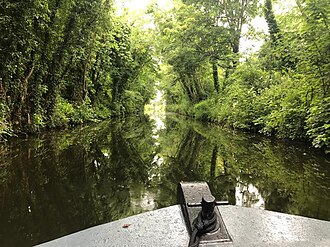
Donnybrook Dusk Hauntings: Leafy-Lane Apparitions and Local Lore
Donnybrook’s oak-shaded avenues and quiet squares take on a different character at dusk: long shadows, the hush of commuter traffic dying away, and an atmosphere that lends itself to stories both recorded and spun. For visitors interested in the crossroads between verifiable local history and the oral tradition of apparitions, Donnybrook offers an accessible, leafy setting where legend and lived experience meet. This guide separates established records from folklore, points out where evening reports tend to cluster, and gives practical advice for enjoying a dusk walk safely and respectfully.
Why Donnybrook at Dusk? Setting the Scene for Leafy-Lane Apparitions
Donnybrook is a neighbourhood of broad streets, mature trees and a village heart that sits quietly beside the city. As daylight fades, familiar features—stone gateposts, garden walls, lamp-lit stretches of pavement—take on a more theatrical quality. For many visitors, dusk is the right balance between visibility and atmosphere: the setting is still safe and accessible, but those dimmer, quieter hours encourage storytelling and an attention to small, uncanny details.
The area’s pattern of Victorian and Georgian houses, interspersed with green squares, means pockets of semi-private space where residents and passersby may experience ephemeral sensations—movements at the edge of a garden, a figure glimpsed on a lane, or a sudden chill under a tree. These reports are common in suburban settings and are often shaped as much by the mood of the hour as by any single cause.
Documented History: Donnybrook’s development, notable events and verifiable records
When we speak of documented history, we mean sources such as parish records, property deeds, municipal reports and contemporary newspapers. Donnybrook’s evolution from a village on the outskirts of Dublin to an established suburb is well recorded in those kinds of sources, showing patterns of residential development, the creation of public spaces and changes to local infrastructure.
There are also recorded events that shaped the area’s public memory: market rights, fairs and civic episodes that appear in archival material. The name Donnybrook itself is familiar in Irish cultural history for the fair that once took place in the vicinity, which is a matter of record rather than speculation.
Religious institutions and nearby ecclesiastical sites have their own documentation: church registers, burial records and architectural descriptions provide a grounded account of the neighbourhood’s social history. For readers interested in how religious and civic places contribute to ghost stories elsewhere in Dublin, our guide to St Patrick’s Cathedral: Spectral Tales and History — A Visitor Guide shows how documented events often feed later folklore.
Folklore vs. Firsthand Reports: What locals and visitors claim to have seen
It helps to separate three types of material: verified historical records (see above), folklore (stories handed down within the community), and firsthand anecdotal reports (what a particular person says they experienced).
Folklore often grows from a kernel of fact. A public event or a tragic accident recorded in old newspapers might become the source for a tale of a wandering silhouette or a lamenting voice decades later. Folktales tend to be repeated and embellished; they explain as much about community identity and memory as they do about any supernatural claim.
Anecdotal reports are personal and varied. In Donnybrook they commonly include descriptions of a solitary figure in period clothing seen crossing a square at dusk, or a pale shape moving along a tree-lined lane. These accounts are compelling as lived experiences but remain unverified: there is no archival confirmation linking most such sightings to specific historical individuals. We treat them as anecdote—not as proof—and invite curiosity without assertion.
For readers interested in parallel accounts across Dublin, there are similar compilations that separate history from legend, such as our pieces on the Hugh Lane Gallery: Late-Night Echoes and Oddities and the Smithfield Market After-Dark: Legends, Reports & Visitor Guide, which use the same cautionary framework.
Key Streets and Spots: Where dusk sightings are reported
Morehampton Road
Morehampton Road is often mentioned in local accounts. Its length, mature trees and stretches of garden walls provide the sort of environment where movement at the periphery becomes noticeable at dusk. Witnesses describe brief sightings rather than sustained encounters.
The Fairground area
The site associated with the long-standing Donnybrook fair tradition—now a quieter part of the neighbourhood—has the kind of layered memory that gives rise to stories. Some visitors say they feel a residual sense of activity near open squares or lanes that once saw larger crowds; such impressions are subjective and belong to the realm of personal testimony and local lore.
Leafy lanes and private squares
Small squares and residential lanes, often tucked behind hedges and railings, are where most anecdotal reports concentrate. These locations are primarily private or semi-private; respectful behaviour is essential (see the Practical Visitor Guide below).
Other nearby trails
If you’re comparing dusk reports across the city, our Bull Island Dusk Ghost Trail and the Unexplained Stories at the National Museum of Ireland (Kildare St.) illustrate how different settings—coastal flats, museum corridors—produce different sorts of encounters and narratives.
Practical Visitor Guide: Best times, lighting, safety, photography etiquette and respecting residents
Best time: aim for the half-hour to an hour after official sunset. Light levels are low but not pitch-dark, which keeps the walk atmospheric while maintaining safety.
Lighting and footwear: wear comfortable shoes for paved and sometimes uneven footpaths. Carry a small torch or use a phone light for straying onto dim lanes; avoid bright, blinding beams that disturb wildlife and neighbours.
Safety: stick to public pavements and well-known routes. Do not climb gates or enter private gardens. If you feel unsafe at any point, return to the main road or contact local services.
Photography etiquette: be mindful of private property and residents’ windows. Avoid intrusive flash photography near homes and do not photograph people without permission. If you capture something you can’t explain, note the time and location—such information is useful for context but not proof.
Respect: Donnybrook is a living neighbourhood. Keep noise levels down, follow local bylaws, and remember that storytelling and research should never come at the expense of residents’ comfort.
Recommended Tour Experience: What a Haunted Ghost Tour Dublin Donnybrook walk looks like
A Haunted Ghost Tour Dublin Donnybrook dusk walk is designed to be both informative and atmospheric. Typically the walk runs approximately 60–90 minutes and follows a compact, well-lit route chosen for safety and storytelling potential.
Highlights include stops on Morehampton Road and in the village centre, a measured exploration of the Fairground area, and short readings of documented local history versus folkloric accounts. Guides present archival context where available, indicate which tales are unverified, and invite questions from the group.
Inclusion: a knowledgeable guide, a carefully planned route that avoids private properties, and a small-group format to preserve intimacy and minimise disruption. The emphasis is on interpretation and visitor experience—hearing accounts, comparing them with records, and encouraging respectful curiosity.
Nearby Amenities and After-Visit Options: Pubs, cafes and quieter ways to continue your evening
After a dusk walk, Donnybrook offers a number of comfortable options for debriefing over a coffee or a meal. Look for cosy pubs with local character, family-run cafes and small restaurants that stay open into the evening. Choosing a quieter venue helps maintain the reflective mood that many visitors seek after a haunted-walk experience.
If you’d like to pair haunted walks with other curiosity-driven visits, consider late visits to cultural sites explored from an atmospheric angle. Our guide to the Hugh Lane Gallery: Late-Night Echoes and Oddities is a good complement, and for a different kind of after-dark exploration see the pieces on Smithfield and Bull Island.
If you are organising a private group or corporate event, you can also inquire about tailored evening walks at our private groups page: Private and Group Tours — Haunted Ghost Tour Dublin.
FAQ
Are the Donnybrook apparitions documented or just folklore?
Most reports in Donnybrook fall into the category of folklore and anecdotal testimony. There is a robust documented record of the area’s civic and social history—property records, parish registers and municipal archives—but direct archival proof linking named apparitions to historical individuals is generally lacking. We therefore treat such sightings as interesting and culturally meaningful anecdotes rather than established facts.
Is it safe to walk Donnybrook at dusk on my own?
Donnybrook is largely a residential, well-travelled area and many people walk there at dusk without incident. Take usual urban precautions: stick to public routes, stay in well-lit areas if you are uncomfortable, tell someone your plans and keep valuables discreet. If you prefer company and local context, a guided walk offers both safety in numbers and interpretive insight.
Can I join a guided Donnybrook dusk hauntings walk and how long does it last?
Yes. Guided walks are available through Haunted Ghost Tour Dublin and typically last around 60–90 minutes. They include a knowledgeable guide, selected stops that balance history and lore, and a route chosen for public access and safety. Bookings can be made on the main tours page.
Are these tours family-friendly or more suited to adults?
Tours are generally suitable for older children and teens who enjoy storytelling and mild spookiness. Content is curated to avoid gratuitous fright; however, very young children may find the dusk atmosphere unsettling. If you are planning a private group with mixed ages, contact us about tailoring the walk to be more family-friendly.