
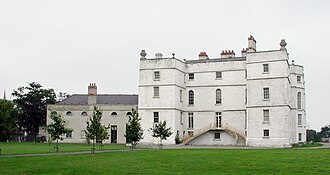
Rathfarnham Castle After‑Dark Stories and Caretaker Legends: A Visitor’s Guide
Rathfarnham Castle has a distinct presence when the daylight fades: stone silhouettes, narrow windows, and an atmosphere that invites questions. For night-time visitors the castle becomes a landscape for stories—some grounded in documentable events, others grown from decades of oral retelling. This guide separates what we can reliably trace in records from the imaginative layers of folklore, and gives practical tips for anyone considering a guided after‑dark visit.
Documented history of Rathfarnham Castle
When discussing Rathfarnham Castle it helps to begin with what is established in public records and architectural surveys. The castle was constructed during the Tudor period and is documented as a fortified residence associated with prominent local officials. Over the centuries it has changed hands, undergone restoration, and served a range of civic and private functions. These ownership changes and renovations are the backbone of the castle’s verifiable past.
Archival material—estate maps, land records, and local government files—trace shifts in use that explain why the building has been accessible to communities, caretakers, and visitors at different times. Those documents also show repairs, extensions, and documented events that can be cross‑checked against newspaper notices or municipal minutes when available. When evaluating after‑dark stories, start from these tangible records: they provide a baseline against which anecdotes can be compared.
Caretaker families and employment
Many of the most persistent tales about Rathfarnham Castle revolve around the people who cared for it: long‑term caretakers, estate stewards, and sometimes live‑in staff. Employment records, payroll entries, and property notices confirm that caretaker roles existed across the centuries, and municipal archives often list names and terms of service. Those records typically focus on duties, tenure, and basic biographical notes rather than the private lives that folklore amplifies.
Documented: the existence of successive caretaker positions, contractual arrangements for maintenance, and occasional correspondence about repairs or incidents on the property.
Folklore development: over time, routine events—a late lamp in a window, a sudden lock change, or a night watch—become narrative triggers. Families who lived on site or nearby naturally became the subjects of stories told by neighbours, visitors, and later tour guides. Those stories were not always captured by formal records, which is why a clear distinction matters.
After‑dark stories and common legends
Visitors to Rathfarnham have reported a range of tales: footsteps on empty staircases, unexplained lights, a sense of being watched, and apparitions linked to particular rooms. These narratives fall into several categories:
1. Sensory experiences
Reports of sudden cold spots, the feeling of breath on the neck, or a faint scent of tobacco in an otherwise sealed room are common. Such experiences are frequently subjective and can stem from building acoustics, airflow in old stone structures, or the expectation created by an atmospheric setting.
2. Apparitions and figures
Stories about shadowy figures or fleeting silhouettes often focus on corridors or windowed towers. In many cases the provenance is oral—retold memories from staff or neighbours—rather than contemporaneous documentation. That doesn’t make them uninteresting, but it does place them in the realm of unverified testimony unless accompanied by additional evidence.
3. Caretaker legends
Caretaker legends typically attach personality and motive to otherwise ordinary maintenance roles: a watchful night‑watchman who refuses to enter a specific room; an elderly caretaker who keeps a lamp burning for a lost child; or a stern steward whose portrait seems to change expression. These narratives often grow from small, verifiable details (a long‑serving employee, an old portrait) and then accrete dramatized elements over time.
Where possible this guide marks which stories can be tied to records and which are largely folkloric—many compelling tales are vivid precisely because they occupy that grey zone.
Eyewitness accounts and oral tradition
Oral testimony is valuable cultural material but varies widely in reliability. When assessing eyewitness accounts consider:
- Timing: was the account recorded close to the event or decades later?
- Context: was the witness a staff member, resident, neighbour, or passing visitor?
- Repetition: do similar details recur independently in multiple accounts?
Repeated motifs—footsteps, a locked room, a guardian figure—often indicate shared cultural expectations about haunted places more than a single verifiable event. Conversely, when several independent witnesses report comparable details, the story gains descriptive weight even if it remains unproven.
Oral traditions also show how stories migrate. A motif familiar from other Dublin sites—like appearance motifs described at the Forty Foot or themes from the Victorian asylum legends—can appear at Rathfarnham in new forms, blending local detail with wider narrative patterns.
Practical visitor information
For those considering a after‑dark visit, practicalities matter more than theatrics. Rathfarnham Castle is a protected heritage site, and access after dark is controlled. Visitors should expect regulated entry procedures, briefings on safety, and guided movement through selected areas only.
Best times: outside of inclement weather, scheduled evening events or guided tours timed after dusk are the safest option. Check official schedules and festival programming—heritage sites sometimes host special twilight openings that combine historical talks and guided walks.
Safety and permissions: do not attempt unsanctioned entry. Old buildings have uneven floors, low ceilings, and restricted zones. If you have specific mobility needs, contact the organisers in advance to confirm accessible routes and reasonable accommodations.
What to expect: modest walking over stone floors, low lighting on designated routes, and interpreters who separate confirmed history from folklore. Photography rules vary; some guided events allow still photography while others restrict any flash or tripods.
Guided night tours and responsible visiting
A guided tour enhances both safety and interpretive value. Expert guides bring context—identifying architectural features, pointing out archival evidence, and clarifying when a tale is documented versus when it is a long‑standing local legend. That interpretive role helps visitors enjoy the atmosphere without conflating speculation with fact.
Booking and tickets: Night tours are organised by specialist operators and local heritage partners. For a carefully curated after‑dark experience with trained guides who focus on evidence-based history and respectful folklore interpretation, book in advance. Book a guided Rathfarnham Castle night visit with Ghost Tour Dublin Experience: https://www.ghosttourdublin.com/
Responsible visiting: stay on marked routes, follow your guide’s instructions, and treat caretaker narratives and family memories with respect. Stories about past residents or staff represent people and communities; handling those stories sensitively preserves both the site and the dignity of those involved.
If you are planning a private group visit, reservations can be arranged to suit educational groups, family gatherings, or specialist interest tours. For private bookings and group arrangements, contact the organiser directly via the private groups page: https://www.ghosttourdublin.com/
For readers interested in further Dublin hauntings and how local projects sustain community engagement, consider related pieces that explore coastal sightings at the Forty Foot, institutional narratives in asylum legends, the river‑side stories at Wood Quay, and the lore around the Hellfire Club ruins: Forty Foot, Sandycove — Shoreside Apparitions and Swimmer Tales, Victorian Asylum Legends, Wood Quay Spectres, and Hellfire Club ruins on Montpelier Hill.
Conclusion
Rathfarnham Castle’s after‑dark character is built on both verifiable history and a rich folklore tradition. Understanding the difference adds depth to the visitor experience: archival facts give a framework, caretaker records provide human context, and oral tradition offers the atmospheric details that draw people to the site. If you want an evening that combines rigorous history with evocative storytelling, plan ahead and join a guided night visit.
FAQ
Is Rathfarnham Castle actually haunted or are the stories mainly folklore?
Short answer: most widely circulated tales are folklore or unverified eyewitness accounts. The site has a documented history and a record of caretakers and events; many atmospheric stories grow out of those facts. A guided tour will help you appreciate both the confirmed history and the oral traditions without conflating them.
Can visitors access Rathfarnham Castle after dark and are guided night tours available?
Yes—access after dark is typically organised through scheduled events and guided tours. Open access is restricted, so always check official listings and book in advance with a recognised operator to ensure legal, safe entry.
Are the caretaker legends supported by archival records or family testimony?
Some elements are supported by employment and property records (roles, tenures, and occasional incidents), while the more dramatic aspects—conversations, motives, or supernatural behaviours—usually come from family stories and neighbourhood oral tradition. Both types of material are valuable; they just serve different evidential purposes.
What should I bring and how should I prepare for an after‑dark visit to the castle?
Wear sturdy, flat footwear suitable for uneven stone floors, dress for cooler temperatures, bring a small torch if allowed (check the tour rules), and carry any necessary personal items like medications. Follow the guide’s instructions, respect restricted areas, and avoid unsanctioned exploration to protect both your safety and the integrity of the site.