
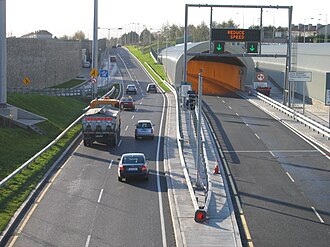
Underground Dublin: Railway Tunnel Hauntings — History & Visitor Guide
Dublin’s disused railway tunnels—vaulted brick arches, damp platforms and the hush of underground passages—have become a repository for urban memory. They are at once engineering relics and stage-set for stories: collisions of industrial history, wartime logistics, post‑rail decline and the city’s appetite for the uncanny. This guide separates the documented record from folklore, summarises the most frequently told tunnel stories, and gives practical advice on how to experience these subterranean places safely and respectfully.
Book a guided Underground Dublin tunnel ghost tour with Ghost Tour Dublin Experience
Introduction: Why Dublin’s Abandoned Railway Tunnels Capture the Imagination
Tunnels are liminal spaces—cutting under the city, hidden from everyday sight, and shaped by sound and shadow. In Dublin, abandoned rail tunnels pass beneath streets, docks and former goods yards. They were once arteries of commerce and movement; when services ceased, they lingered as physical reminders of shifting transport patterns and changing urban economies.
The combination of historic infrastructure and dark, echoing interiors creates fertile ground for stories. The tales range from plausible encounters—strange sounds, old belongings left behind—to mythic apparitions tied to loss and memory. For the curious visitor it’s important to know which parts of these narratives are documented, and which are folklore amplified by imagination.
Documented History: How and When the Tunnels Were Built, Closed and Repurposed
Many of Dublin’s subterranean rail structures were built during the 19th and early 20th centuries, when rail networks, tramways and goods lines were expanding rapidly. Brick-lined cuttings, short passenger tunnels and long freight passages were engineered to serve factories, docks and city terminals.
Closures typically followed shifts in transport economics: changes in freight patterns, centralisation of services, and the decline of local industries. Some tunnels were mothballed, others repurposed for utilities or sealed. In several cases, surface redevelopment left tunnels intact beneath modern streets.
Documented records for these structures are generally found in transport archives, planning documents and railway company reports. Where a tunnel’s operational history is clear—construction purpose, closure reasons and later use—those facts form the basis for separating history from tale.
Reported Hauntings vs. Recorded Incidents: Distinguishing Folklore from Historical Record
Reported hauntings tend to cluster around a few recurring motifs: phantom footsteps, spectral figures at the mouth of a tunnel, cold spots, and the sound of a train that never arrives. These reports are part of oral tradition and modern eyewitness testimony, and are valuable as cultural material.
Recorded incidents, by contrast, are the kinds of events that appear in official documents: accidents, wartime damage, reported crimes or preservation decisions. These are verifiable through archives, newspaper reports and public records. When a haunting story references a documented incident—such as a fatal accident—the two can be linked. Where no record exists, the story remains in the realm of folklore.
As a rule: treat eyewitness accounts with interest, treat archival records as fact, and be cautious about connecting the two without evidence.
Notable Tunnel Stories
Below are summaries of the most frequently told tunnel stories in Dublin. Each entry is clearly labelled as legend or documented event.
Old Platform Footsteps — Legend
Story: Visitors and urban explorers report hearing measured footsteps in abandoned platforms when no one is present. The footsteps often stop at a particular arch or opening.
Origin: Likely a mix of acoustics (sound carries strangely underground), recent visitors, and the human tendency to ascribe agency to ambiguous noises. This motif also appears in wider Dublin folklore and echoes themes explored in our piece on Common Motifs in Dublin Ghost Folklore.
Phantom Worker at the Goods Yard — Legend
Story: A figure in period workwear is seen near sealed service doors, tending invisible cargo or vanishing into walls.
Origin: Likely narrative leftover from the tunnels’ industrial past. Stories of workers are common, and similar stories appear at other transport sites such as the Forgotten Dublin Tram Depot.
War‑Damage Rumour — Documented Incident and Associated Legend
Story: A tunnel allegedly damaged by wartime activity left behind machinery and occasional ghost stories about a loud bang or a figure in uniform.
Record: While wartime damage to transport infrastructure in Ireland is part of the documented urban landscape in some locations, specific claims about an individual tunnel should be verified against archival material. Where damage is recorded, later folklore often incorporates military imagery—see related themes in Victorian-era apparitions and street lore.
Lost Passenger Report — Legend
Story: A tale of a late‑night commuter who missed a train, disappeared into a service stair and was never seen again.
Origin: These stories are dramatic and persistent but lack documentary corroboration. They function as cautionary folklore about the dangers of going off permitted routes.
Visiting Safely and Legally: Access, Permissions, Hazards and Best Practices
Many tunnels and disused rail corridors sit on private or municipal land. Access without permission can be illegal and dangerous. Respect signage, locked gates and official barriers.
Hazards to be aware of: unstable masonry, loose ballast, standing water, low oxygen pockets in sealed sections, sudden drops, and animals. Underground sites can also have live utilities or fragile historic fabric that should not be disturbed.
Best practices for visitors:
- Never enter sealed or posted‑no‑entry tunnels.
- Seek organised, permitted access where it exists.
- Notify someone of your plans if you are going on a tour, and carry a charged torch, spare batteries and appropriate footwear.
- Respect local regulations and community concerns—disruption to neighbours is a common complaint with unauthorised visits.
How to Experience the Tunnels: Guided Tour Options and What Ghost Tour Dublin Experience Covers
For most visitors the safest and most informative way to experience Dublin’s subterranean rail heritage is with an authorised guide. Ghost Tour Dublin Experience offers curated tours that combine historical context, documented incidents, and collected folklore in a way that is both atmospheric and anchored to verifiable facts.
A typical Ghost Tour Dublin Experience includes a pre-tour briefing on the site’s documented history, a guided walk of accessible sections and external viewpoints, storytelling that differentiates legend from record, and practical safety guidance. Our guides emphasise conservation and community impact, and point visitors to related sites and reading—such as the Glasnevin Cemetery guide—which help situate tunnel lore within Dublin’s wider heritage.
Photography etiquette: flash and long exposure can damage delicate interiors and disturb occupants; always follow guide instructions. If underground work is permitted, use steady hands, avoid tripods in narrow passages and never block access ways or emergency exits for a photograph.
Conservation, Community & Responsible Dark Tourism
Dark tourism—visiting sites associated with death, decline or the uncanny—works best when it supports conservation and community. Tunnels are part of Dublin’s industrial fabric; they deserve protection rather than exploitation.
Responsible visitors and guides do three things: minimise impact, report hazards to owners or local authorities, and amplify the historical context rather than sensationalise it. If a local group is working to preserve or repurpose a tunnel, consider volunteering time or donating to legitimate conservation efforts.
Ghost Tour Dublin Experience collaborates with local stakeholders to ensure tours respect heritage and benefit communities. When possible, we link related narratives with broader Dublin contexts such as the tram depot and seafront folklore to provide a rounded, respectful interpretation of place—see our pieces on the tram depot and the Sutton seafront phantom ferryman for examples of connecting local places and stories.
Practical Visitor Tips: What to Bring, When to Go, and Alternatives
What to bring: sturdy shoes, a waterproof jacket, a reliable torch and spare batteries, a small first aid kit, and a charged phone. Wear layers—the temperature underground is often cooler and damp.
When to go: book guided tours that operate in daylight whenever possible. Evening tours add atmosphere but increase risk; they should always be run by experienced guides with permissions in place.
Alternatives if tunnels are inaccessible: many above‑ground sites convey the same historical themes—old stations, goods yards, viaducts and cemeteries. Our guides often combine subterranean narratives with visits to places such as Glasnevin Cemetery or street‑level Victorian hauntings described in Gaslight Ghosts.
If you prefer a private experience, we can arrange group bookings for closed or specialist visits with permissions—contact us for details.
Book a guided Underground Dublin tunnel ghost tour with Ghost Tour Dublin Experience
For private groups and tailored experiences, including closed‑access visits where legally arranged, please enquire via our private bookings channel: Private groups and tailored Ghost Tour Dublin Experience.
FAQ
Are Dublin’s disused railway tunnels open to the public?
Generally no. Most disused tunnels are on private or municipal land and are secured for safety reasons. Public access is usually only possible through organised, permitted tours or special events run by heritage groups or authorised operators such as Ghost Tour Dublin Experience.
How much of the tunnel haunting lore is documented history versus legend?
Much of the haunting lore is folklore built around the atmosphere of the tunnels. Documented history tends to cover construction, operational use, closures and any recorded incidents. Where legends reference verifiable incidents, the two can be linked; otherwise, treat haunting stories as part of oral tradition rather than archival fact.
Is it legal and safe to explore these tunnels on your own?
Exploring without permission can be illegal and hazardous. Many tunnels have structural risks, utilities and restricted access. For safety and legal compliance, join an authorised tour or obtain formal permission from the landowner or managing authority.
What should I expect and bring on a guided tunnel-focused ghost tour?
Expect a mix of documented history and folklore, clear safety briefings, and guidance on photography and conduct. Bring sturdy footwear, weather‑appropriate clothing, a reliable torch, spare batteries and a charged phone. Follow your guide’s instructions at all times.